The Structure of a Flower — Parts and Their Functions
A flower is the reproductive structure of angiosperms, designed to facilitate pollination and reproduction. Understanding the structure of a flower is essential in botany, agriculture, and biology, as it reveals how plants reproduce and how flowers attract pollinators. Flowers are composed of several distinct parts, each with a specialized function, arranged in concentric whorls on the flower axis. These parts include sepals, petals, stamens, and pistils, and sometimes additional structures like nectaries or bracts.
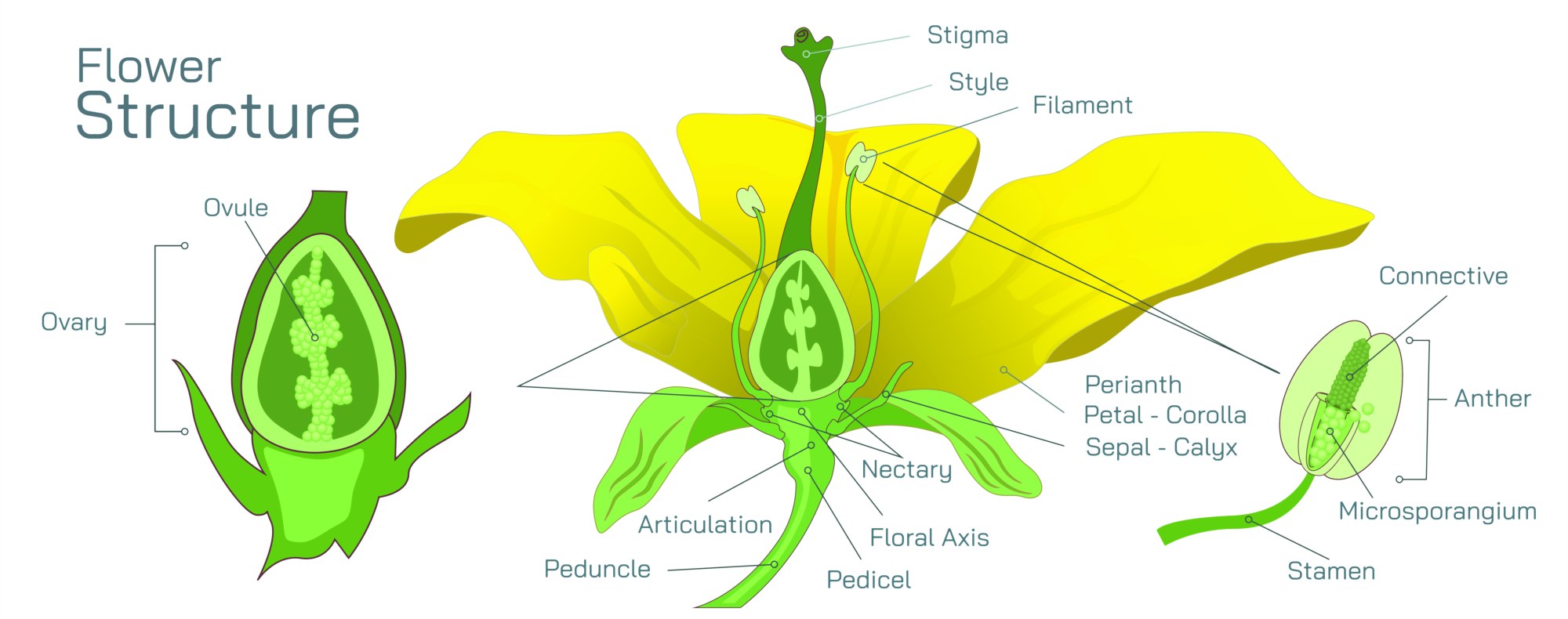
The outermost whorl of the flower consists of sepals, typically green and leaf-like, collectively called the calyx. Sepals protect the developing flower bud from mechanical damage and desiccation before it blooms. Inside the sepals are the petals, usually brightly colored and collectively called the corolla. Petals attract pollinators through color, scent, and patterns, playing a crucial role in the reproductive success of flowering plants.
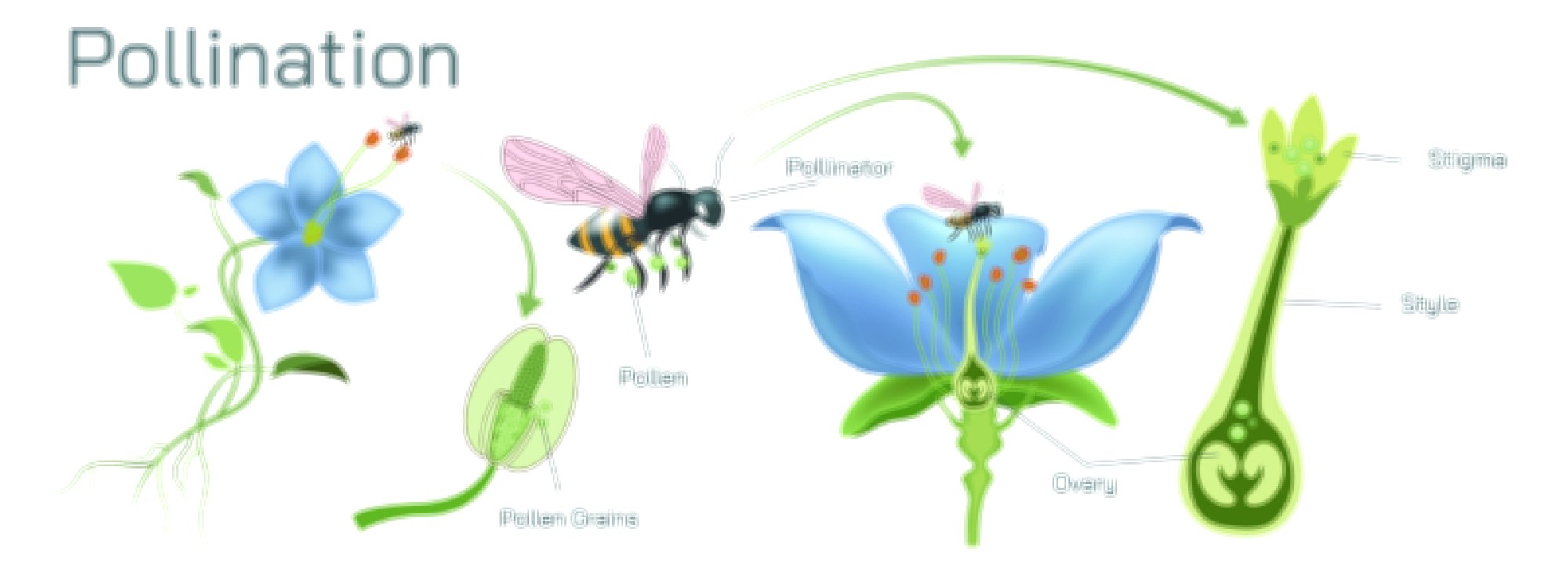
The stamens form the male reproductive organs of the flower. Each stamen consists of an anther, which produces pollen grains containing male gametes, and a filament that supports the anther. Pollen is transferred to the female part of the flower during pollination. The female reproductive organ, the pistil, typically occupies the central position in the flower. The pistil comprises the stigma, style, and ovary. The stigma receives pollen grains, which travel down the style to reach the ovary. The ovary contains ovules that develop into seeds after fertilization.
In addition to these primary structures, flowers may have nectar-producing glands that attract pollinators or specialized structures adapted to specific modes of pollination. The arrangement, shape, and color of floral parts vary widely among species, reflecting adaptations to particular pollinators such as insects, birds, or wind. Flowers also exhibit symmetry, which can be radial or bilateral, further influencing pollinator behavior.
Studying the structure of a flower provides insight into plant reproduction, breeding, and evolution. It helps botanists understand how different floral traits support pollination and seed formation, ensuring the survival of plant species. Floral anatomy is also fundamental in agricultural practices, aiding in crop improvement, hybridization, and controlled pollination. Observing flowers and understanding their parts allows students and researchers to explore the intricate relationships between plant form, function, and reproduction.
In conclusion, the structure of a flower includes sepals, petals, stamens, and pistils, each serving distinct and essential roles in protection, attraction, and reproduction. Flowers are marvels of natural engineering, designed to maximize pollination efficiency and reproductive success. Understanding flower anatomy provides insights into plant biology, ecological interactions, and agricultural applications, highlighting the importance of flowers beyond their aesthetic appeal.