Cow anatomy represents a highly specialized biological structure adapted for a herbivorous and ruminant lifestyle. As a large domesticated mammal, the cow has evolved internal organs and body systems that allow it to efficiently digest fibrous plant material, maintain metabolic balance, and support milk production. Understanding cow anatomy is essential in animal science, veterinary studies, agriculture, and dairy farming, as it provides insight into how cows grow, digest food, produce energy, and sustain productivity.
The overall body structure of a cow includes the skeletal system, muscular system, digestive system, respiratory system, circulatory system, nervous system, and reproductive system. Each system works in coordination to support survival and physiological function. Internally, cows possess large and complex organs that are proportionally adapted to their size and dietary needs.
One of the most distinctive features of cow anatomy is the digestive system. Cows are ruminants, meaning they have a multi-chambered stomach designed to digest cellulose-rich plant material such as grass and hay. The digestive process begins at the mouth, where the cow uses its strong tongue and flat teeth to grasp and grind plant matter. Saliva is produced in large quantities, helping to soften food and maintain proper conditions for microbial fermentation.
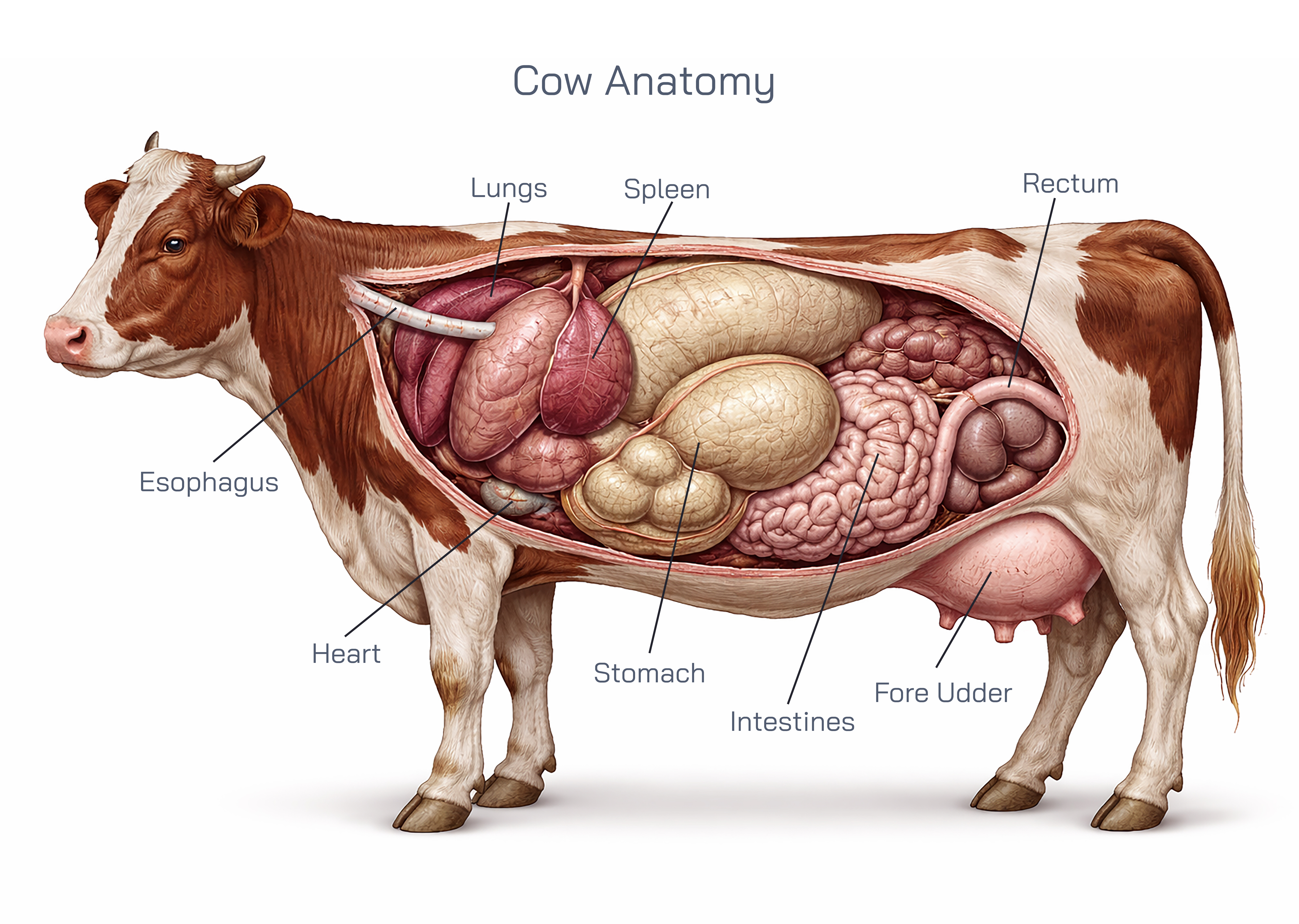
Food passes from the mouth through the esophagus, a muscular tube that transports swallowed material into the stomach. In cows, the esophagus also allows partially digested food to return to the mouth during cud chewing, a process known as rumination. This repeated chewing increases the surface area of food, improving digestion efficiency.
The cow stomach consists of four compartments: the rumen, reticulum, omasum, and abomasum. The rumen is the largest compartment and serves as a fermentation chamber where billions of microorganisms break down complex plant fibers. These microbes produce nutrients that the cow can absorb and use for energy. The rumen’s large volume allows cows to consume and process large amounts of rough forage.
The reticulum works closely with the rumen and helps trap heavy or foreign objects while guiding partially digested food back to the mouth for further chewing. It also plays a role in sorting food particles by size. After sufficient breakdown, the food moves into the omasum. The omasum absorbs water and minerals from the digested material, reducing fluid content and concentrating nutrients.
The final stomach compartment is the abomasum, often referred to as the true stomach. This compartment functions similarly to the stomach of non-ruminant animals. It secretes digestive enzymes and acids that break down proteins and kill remaining microorganisms. From the abomasum, the digested material passes into the intestines.
The intestines of a cow are long and highly coiled, allowing maximum absorption of nutrients. The small intestine absorbs amino acids, fatty acids, sugars, vitamins, and minerals into the bloodstream. The large intestine absorbs additional water and forms waste material. Efficient intestinal function is critical for maintaining body condition and milk production.
The circulatory system of a cow includes the heart, blood vessels, and blood. The heart is a powerful muscular organ that pumps oxygen-rich blood throughout the body. It supplies nutrients and oxygen to tissues while removing waste products. Proper circulation is vital for maintaining body temperature, supporting organ function, and sustaining energy levels.
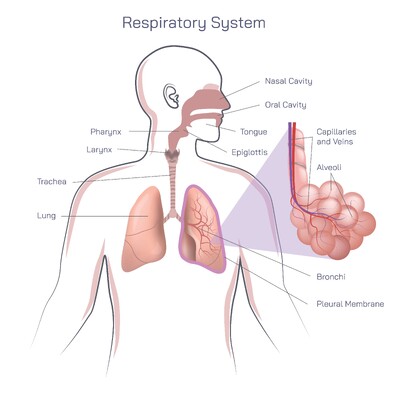
The respiratory system includes the lungs and associated airways. Cows rely on efficient respiration to supply oxygen needed for metabolic processes. Oxygen is essential for converting nutrients into usable energy. The lungs are large and spongy, allowing effective gas exchange even during physical activity or stress.
The spleen is an important organ involved in immune function and blood filtration. It helps remove old or damaged red blood cells and supports the immune response. The liver, although not always visible in diagrams, plays a central role in metabolism, detoxification, and nutrient storage. It processes absorbed nutrients and helps regulate blood chemistry.
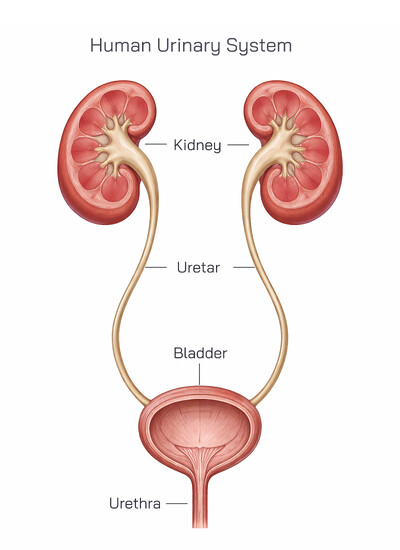
The rectum is the final part of the digestive tract and stores waste material before elimination. Proper waste removal is essential for maintaining internal balance and preventing toxin buildup. The urinary system, including the kidneys and bladder, helps regulate fluid balance and remove metabolic waste from the blood.
In female cows, the reproductive system and udder are key anatomical features. The udder is a specialized mammary structure composed of glands, ducts, and teats. It produces and stores milk, which is vital for nourishing calves and supporting dairy production. Blood supply to the udder is extensive, reflecting its high metabolic demand.
Cow anatomy is also adapted to support large body mass and constant grazing. Strong skeletal structures support weight and movement, while powerful muscles allow locomotion and posture control. The nervous system coordinates sensory input and motor responses, enabling cows to respond to their environment.
From an agricultural and veterinary perspective, understanding cow anatomy is essential for disease diagnosis, treatment, nutrition management, and breeding. Knowledge of internal organ placement helps veterinarians perform examinations, surgeries, and medical procedures safely and effectively. Farmers rely on anatomical knowledge to optimize feeding strategies and ensure animal welfare.
Cow anatomy also illustrates the remarkable efficiency of ruminant digestion. By converting low-nutrient plant material into high-quality protein and milk, cows play a crucial role in global food systems. Their anatomical adaptations allow them to thrive on diets unsuitable for many other animals.
In educational settings, labeled cow anatomy diagrams are widely used to teach students about mammalian structure, digestion, and physiology. These diagrams help visualize the relationships between organs and demonstrate how specialized adaptations support herbivorous nutrition.
In conclusion, cow anatomy is a complex and highly specialized system designed to support ruminant digestion, metabolic efficiency, and productivity. Key features include a four-chambered stomach, extensive intestines, strong respiratory and circulatory systems, and specialized reproductive structures. Understanding cow anatomy provides valuable insight into livestock biology, animal health, and agricultural science, highlighting the intricate design that enables cows to convert plant matter into energy, growth, and nourishment for humans and other animals.