Position of Fetus in the Uterus — Orientation and Clinical Importance
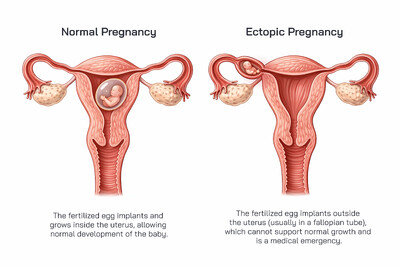
The position of the fetus in the uterus is a critical aspect of pregnancy that affects fetal development, maternal health, and the course of labor and delivery. Fetal position refers to the orientation of the fetus’s body and presenting part relative to the mother’s uterus and birth canal. Understanding fetal position helps healthcare providers monitor growth, plan delivery methods, and identify potential complications. The fetus’s position can change throughout pregnancy due to growth, movement, and uterine space availability, with the final position being crucial for a safe delivery.
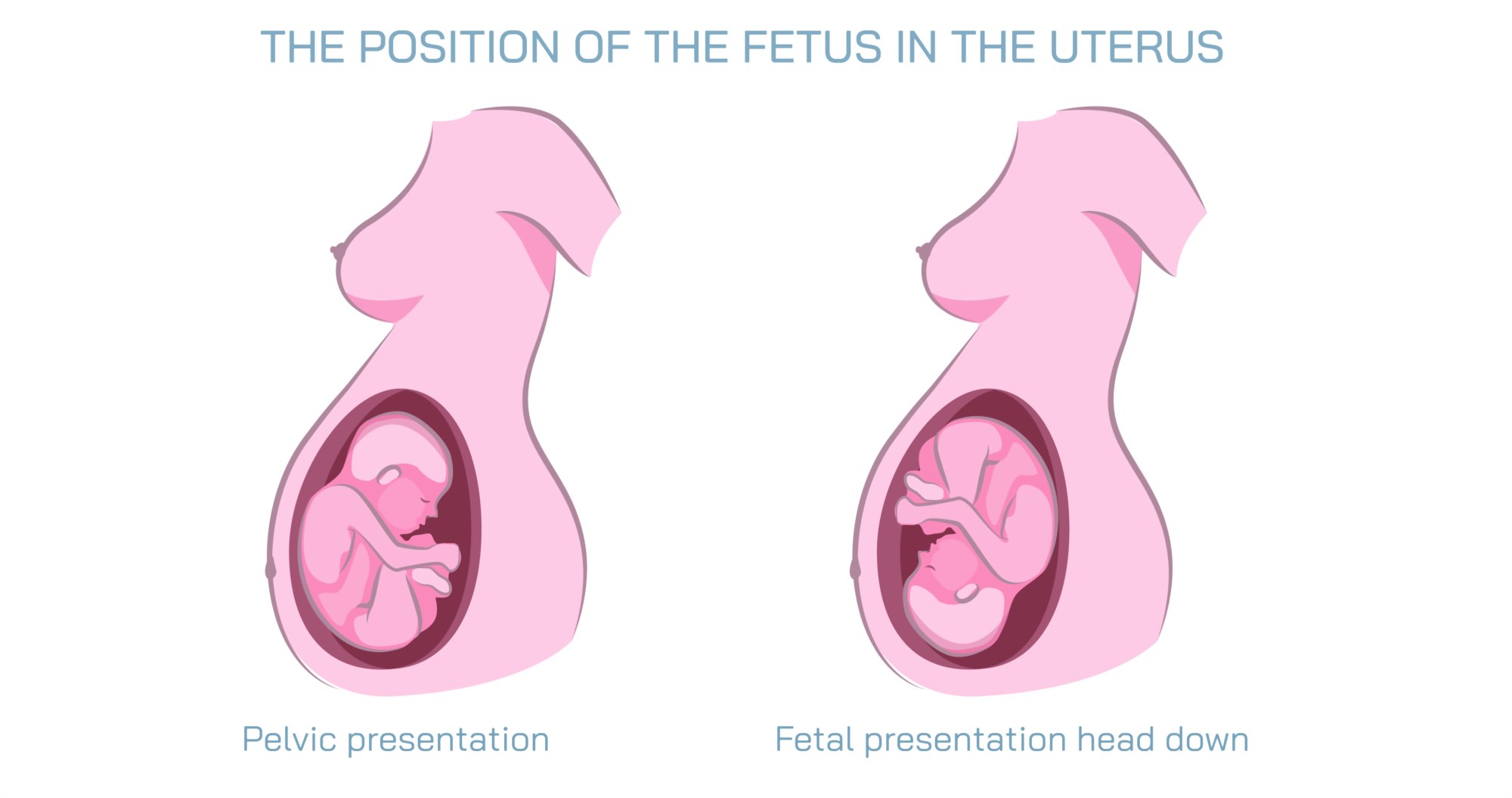
The most common and favorable position for childbirth is the cephalic presentation, where the fetal head faces downward toward the cervix. Within the cephalic presentation, the ideal alignment is the vertex position, with the back of the head leading the birth canal. This position allows for smooth passage through the birth canal during vaginal delivery and reduces the risk of complications for both mother and child. Variations in cephalic presentation, such as face or brow presentation, may require special medical attention during delivery.
Another significant fetal position is the breech presentation, where the fetus’s buttocks, feet, or knees face the cervix. Breech positions can be complete, frank, or footling, depending on which parts lead. Breech presentation occurs more frequently in premature pregnancies or when uterine or placental conditions restrict fetal movement. Breech deliveries may pose risks of cord prolapse or difficult passage and often lead to the recommendation of cesarean section for safe birth.
The transverse lie occurs when the fetus lies horizontally across the uterus. In this position, the fetus cannot be delivered vaginally because the presenting part is not aligned with the birth canal. Transverse lies are less common and usually require medical intervention, such as external cephalic version to rotate the fetus or cesarean delivery if rotation is not possible. In addition to lie, the fetus may have variations in attitude, describing how the head and limbs are positioned relative to the body, and position, which specifies the orientation of the fetal back relative to the mother’s pelvis.
Monitoring the position of the fetus is essential for prenatal care. Ultrasound imaging, palpation, and fetal heart monitoring help determine fetal orientation and detect deviations that could affect labor. Awareness of fetal position allows healthcare providers to plan interventions, guide maternal positioning during labor, and anticipate potential complications. Changes in fetal position during pregnancy are normal, but persistent abnormal positions require careful observation to ensure the health of both mother and fetus.
In conclusion, the position of the fetus in the uterus plays a vital role in pregnancy management, labor planning, and childbirth safety. Cephalic, breech, and transverse positions each have unique implications for delivery methods and maternal-fetal health. Understanding fetal position allows for informed prenatal care, timely interventions, and safer outcomes for both mother and child. Observing, monitoring, and managing fetal orientation is a fundamental aspect of obstetrics, ensuring that each pregnancy progresses as safely as possible while preparing for optimal delivery.