Comprehensive Overview of a 3D Rendered Deoxyribonucleic Acid Helix for Scientific Visualization
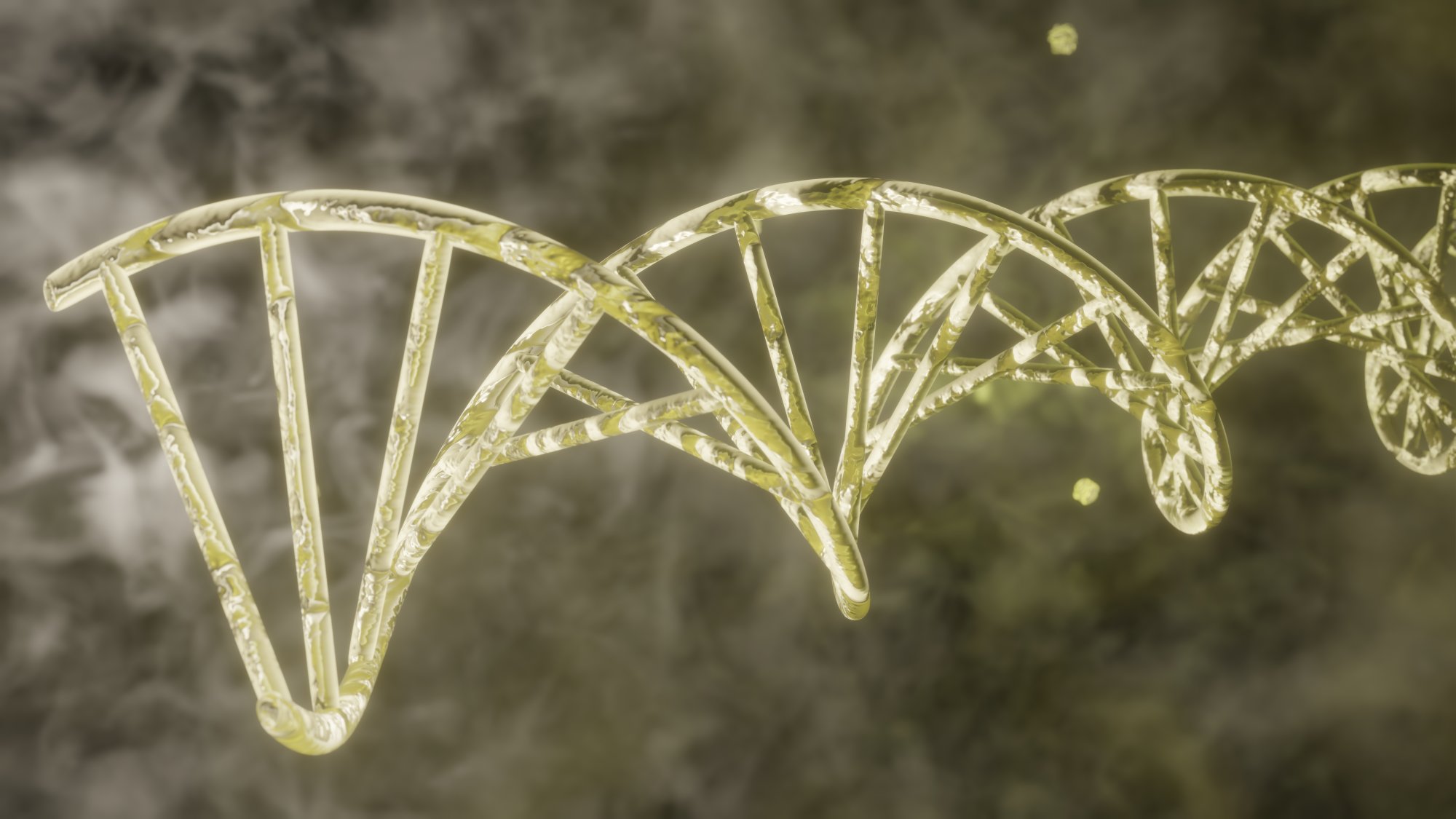
A three dimensional depiction of a Deoxyribonucleic Acid helix provides a powerful bridge between complex microscopic structure and clear visual understanding. By presenting the intertwined strands as a polished digital form, the illustration transforms molecular information into a vivid and accessible representation. This type of rendering showcases the elegance of the spiral structure, the arrangement of paired units, and the overall symmetry that defines the familiar double helix. When presented with precise shading and carefully balanced lighting, the model captures depth and realism, making it a valuable tool for scientific communication.
Such a detailed representation supports learning environments where clarity is essential. Students can observe curvature, spacing, alignment, and relationships between various segments without the limitations of flat drawings. Each part of the helix can be accentuated with texture or color variations to indicate functional zones or structural roles. This visual approach strengthens comprehension for individuals studying cellular processes, molecular interactions, and hereditary information. Instructors benefit from the ability to highlight targeted regions, making the illustration a useful addition to classroom resources, presentations, and educational media.
Beyond academic settings, the render is especially effective in medical and research contexts. Professionals who present findings or explain concepts to colleagues, policymakers, or the general public can rely on this visual form to simplify highly technical subjects. The smooth contours, crisp depth, and clean composition deliver an impression of precision and modernity. These qualities enhance scientific posters, conference slides, laboratory reports, and digital summaries, reinforcing the credibility of the information being communicated.
The versatility of a three dimensional helix extends to animated sequences and interactive platforms. When used in motion graphics, the structure can rotate, expand, or highlight specific twists to illustrate molecular behavior or informational flow. This dynamic approach strengthens storytelling in educational videos, scientific animations, and public outreach campaigns. Viewers can observe transitions, magnifications, and structural changes with exceptional clarity, deepening their understanding of molecular organization.
In commercial and institutional branding, the helix symbolizes discovery, innovation, and advancement. The polished digital model embodies these themes, making it ideal for biotechnology firms, medical research groups, academic publishers, and laboratory networks. Its striking appearance creates a memorable visual identity that reflects technical excellence and scientific integrity. Whether placed on brochures, websites, or digital interfaces, the design communicates depth and sophistication.
Overall, a 3D rendered Deoxyribonucleic Acid helix provides a comprehensive, visually compelling, and educationally valuable representation of one of biology’s most significant structures. Its combination of aesthetic appeal, scientific accuracy, and communicative strength ensures usefulness across research, teaching, media, and institutional communication. This powerful visual format brings molecular science to life, making complex information both understandable and engaging.