Detailed Overview of a 3D Rendered Helix Illustration for Scientific Visualization
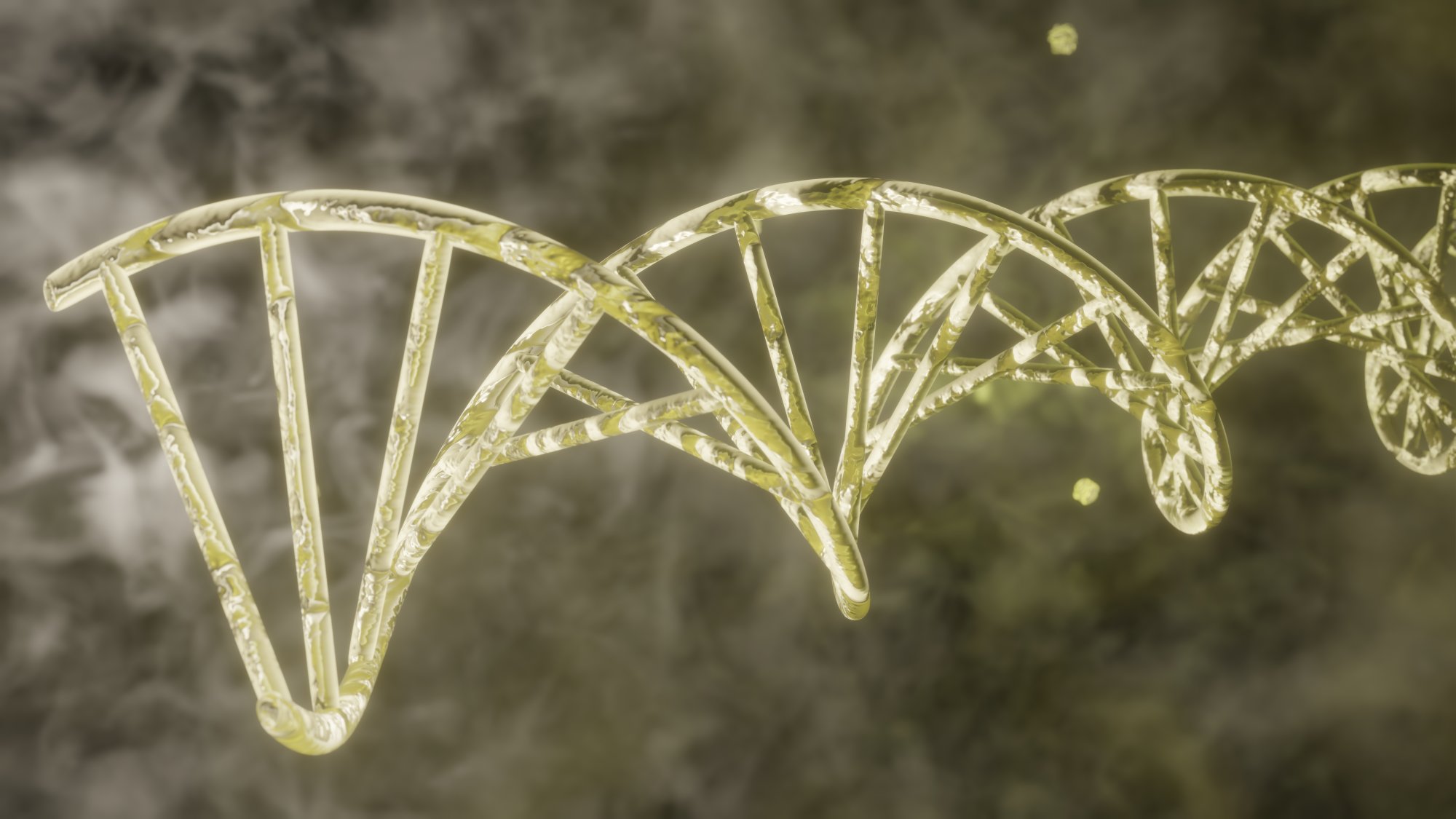
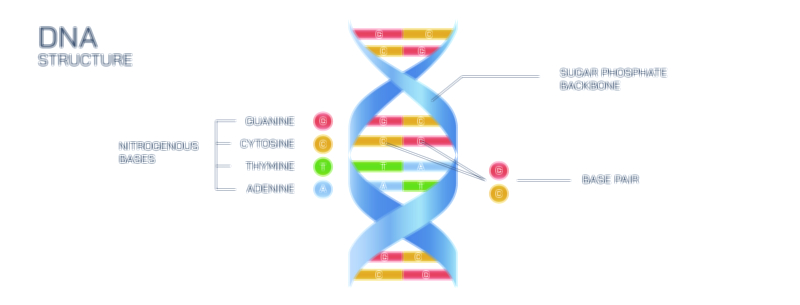
A three dimensional representation of a helix structure provides a powerful way to display complex biological information in a visually engaging manner. This type of illustration helps viewers understand the arrangement of intertwined strands, the placement of base units, and the overall symmetry that defines the famous twisted ladder shape. When presented with clean lighting, smooth shading, and realistic depth, the entire form becomes easier to analyze, making it useful for scientific classrooms, medical training, and research communications. Such imagery also supports digital textbooks, laboratory presentations, and public science outreach materials because it turns a microscopic subject into something far more accessible.
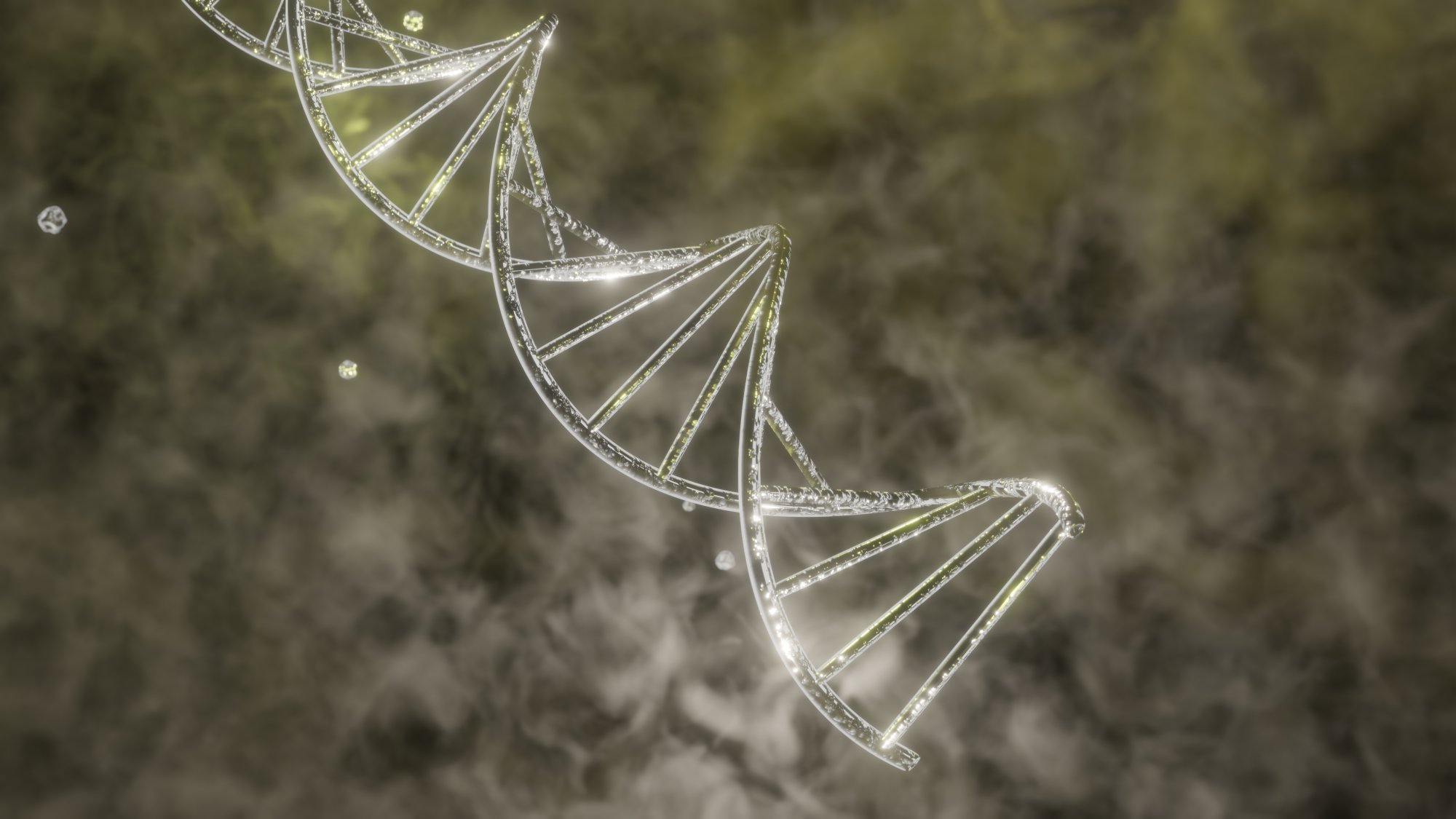
A carefully built render showcases the elegant curves of the paired strands while highlighting the intricate sequence that runs along the spiral. Each segment can be colored, glossed, or textured to signal various biochemical parts, offering educators visual cues to guide learners through the fundamental idea behind cellular information transfer. The three dimensional approach also enables selective focus, allowing artists or instructors to magnify certain portions while gently blurring surrounding areas. This effect helps illustrate how specific regions carry important roles within the broader structure.
The use of advanced rendering makes it possible to generate high quality scenes with reflections, soft shadows, and ambient glows. These techniques enhance depth and realism, giving the illustration a polished, modern appearance suited for professional publications. In medical environments, these scenes assist in creating visual stories for presentations about heredity, molecular behavior, and biochemical interactions. Because of the clarity afforded by three dimensional visualization, users can communicate scientific concepts without relying solely on dense text or abstract diagrams.
Beyond education and research, such imagery finds value in branding for science labs, health organizations, and biotechnology companies. The helix symbol often conveys innovation, discovery, and precision. A striking render communicates these ideas instantly, even to audiences unfamiliar with detailed biological terms. This versatility allows the illustration to serve across marketing materials, brochures, online platforms, and informational campaigns.
A well crafted model also supports motion graphics, where the helix may rotate slowly or expand outward to reveal deeper elements of its structure. This dynamic approach enhances storytelling, especially in documentaries, animations, and explainer videos. The combination of motion and three dimensional rendering transforms the concept into an immersive learning experience, helping viewers appreciate the harmony and complexity of molecular organization.
Overall, a professionally executed 3D helix illustration stands as a valuable asset for any scientific field. It bridges the gap between microscopic reality and visual comprehension, offering clarity, style, and depth in a single impactful artwork.