Comprehensive Overview of the Speed of Sound Across Different Mediums
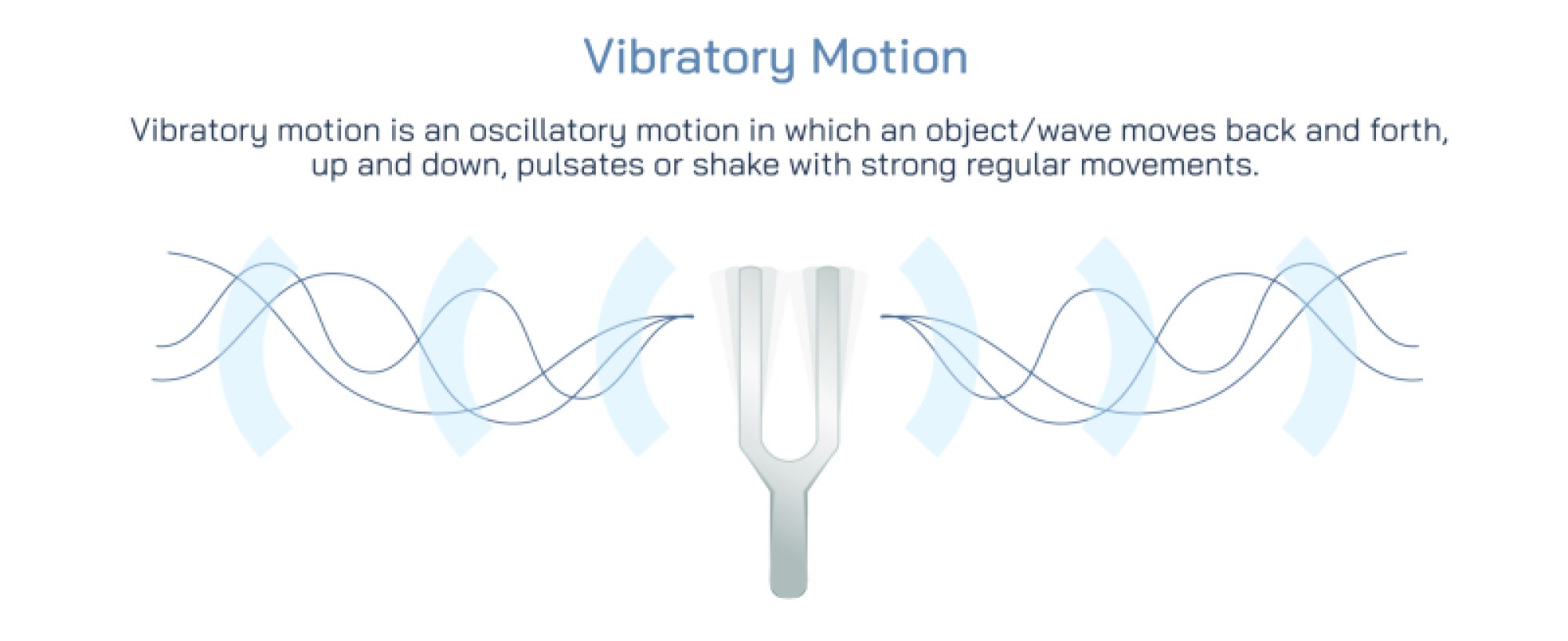
The speed of sound refers to the rate at which a mechanical wave travels through a physical medium as vibrations move from one particle to another. This speed is not fixed; instead, it varies depending on the properties of the medium and the conditions surrounding it. Understanding the speed of sound requires examining how particles interact within solids, liquids, and gases, how temperature alters motion, and how pressure and density influence wave behavior. These combined factors create a broad range of sound speeds that help explain why sound travels differently in air, water, and solid structures.
In gases such as air, sound depends heavily on particle spacing. Because gas particles are farther apart, vibrations transfer more slowly. Temperature is the most influential factor in this environment: as air warms, its particles move faster and transmit energy more efficiently, increasing the speed of sound. This explains why sound travels faster on warm days and slower in cold conditions. Pressure plays a small role at normal conditions, but when paired with large temperature differences, it can subtly shift wave behavior. Altitude also influences sound transmission, as thin air reduces particle collisions and slows wave travel.
In liquids, sound travels faster than in gases because particles are more tightly packed. Water is a common example where sound speed is significantly higher, allowing waves to travel long distances with less energy loss. Density, salinity, and temperature all shape sound performance in water. Warm water provides faster travel because particle movement is more active, while colder regions slow the wave. The strong, close bonds within liquid particles make transmission efficient and steady, which is why underwater communication and sonar rely on rapid acoustic travel.
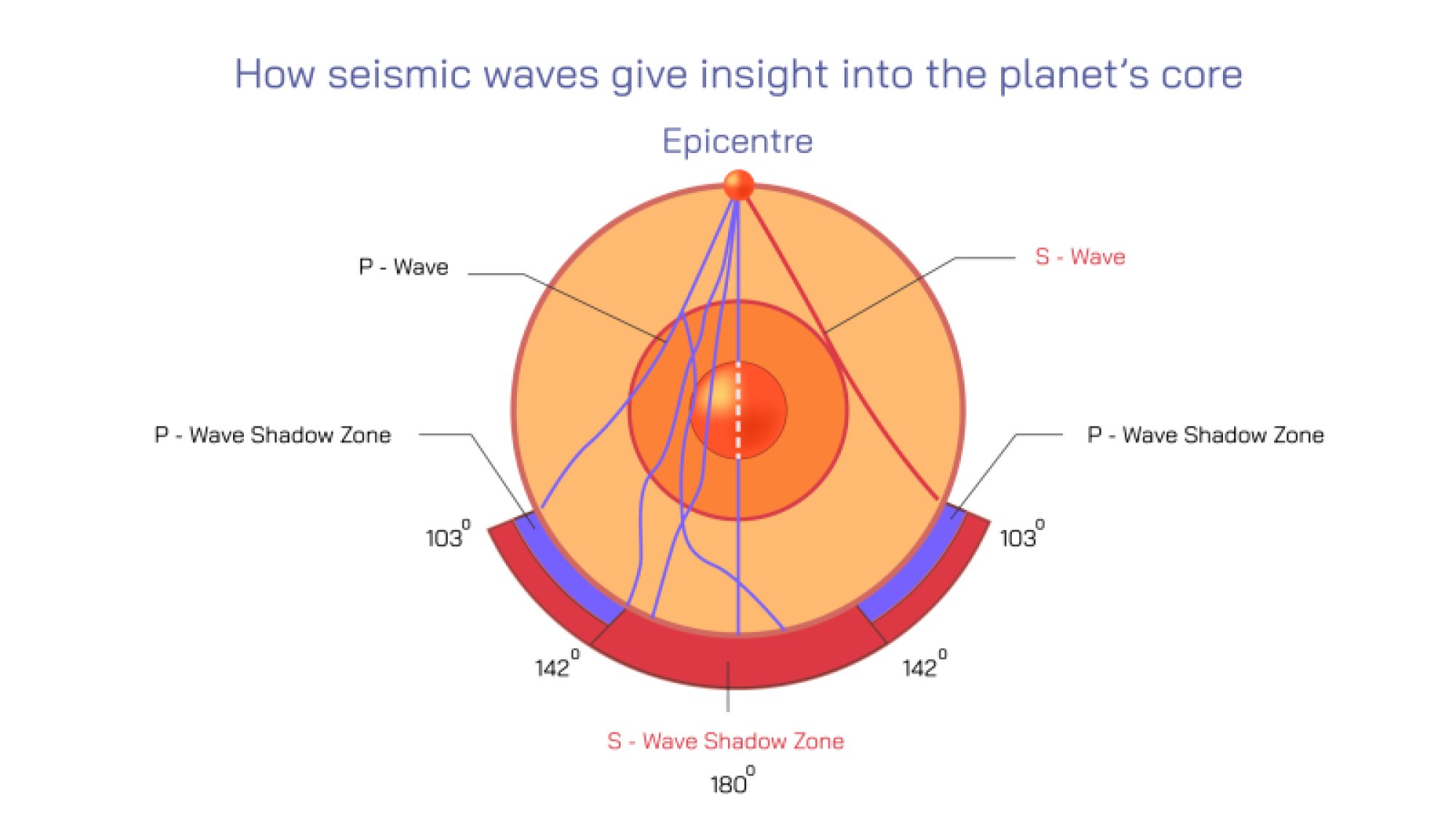
In solids, the speed of sound is highest due to the firmness and tight arrangement of particles. Vibrations move quickly because particles respond almost instantly to neighboring motion. The nature of the solid—whether metal, wood, stone, or crystal—affects how rapidly sound passes through. Materials with strong elastic properties transmit sound extremely well, making them useful in structural analysis and engineering applications. Because particle bonds in solids resist deformation effectively, sound waves travel with remarkable speed and clarity compared to gases and liquids.
Understanding the speed of sound also means examining wave structure. Sound waves are longitudinal waves, consisting of compressions and rarefactions that move outward from their source. The speed depends on how quickly these alternating pressure zones propagate through the medium. When a material is stiff and elastic, these waves transfer more efficiently. When a material is soft or loosely spaced, the wave slows because energy disperses during motion.
The behavior of sound helps explain many observable phenomena, such as echoes, sonic booms, underwater acoustics, and the way sound shifts during temperature inversion. Aircraft breaking the sound barrier generate shock waves because they exceed the natural speed at which pressure waves spread. In everyday settings, the variation in sound travel can explain why distant thunder arrives later after lightning, or why voices sound different underwater compared to open air.
By analyzing medium structure, temperature influence, and wave mechanics together, the full nature of sound speed becomes clearer. These factors combine to create a dynamic system where acoustic waves shift, accelerate, or slow based on the physical environment. This understanding is essential in science, engineering, environmental study, and communication technologies where accurate sound modeling is crucial.