Types of Rotational Motion in Physics — Understanding Angular Behaviour and System Dynamics
Rotational motion is one of the most important forms of movement studied in physics because many natural and man-made systems exhibit some form of spinning or turning. From the slow rotation of planetary bodies to the high speed spin of machinery components, rotational behavior helps describe how objects interact with forces, how they store energy, and how they maintain or change their state of movement. Understanding these types of rotational motion helps build a wider picture of how physical systems behave under different influences.
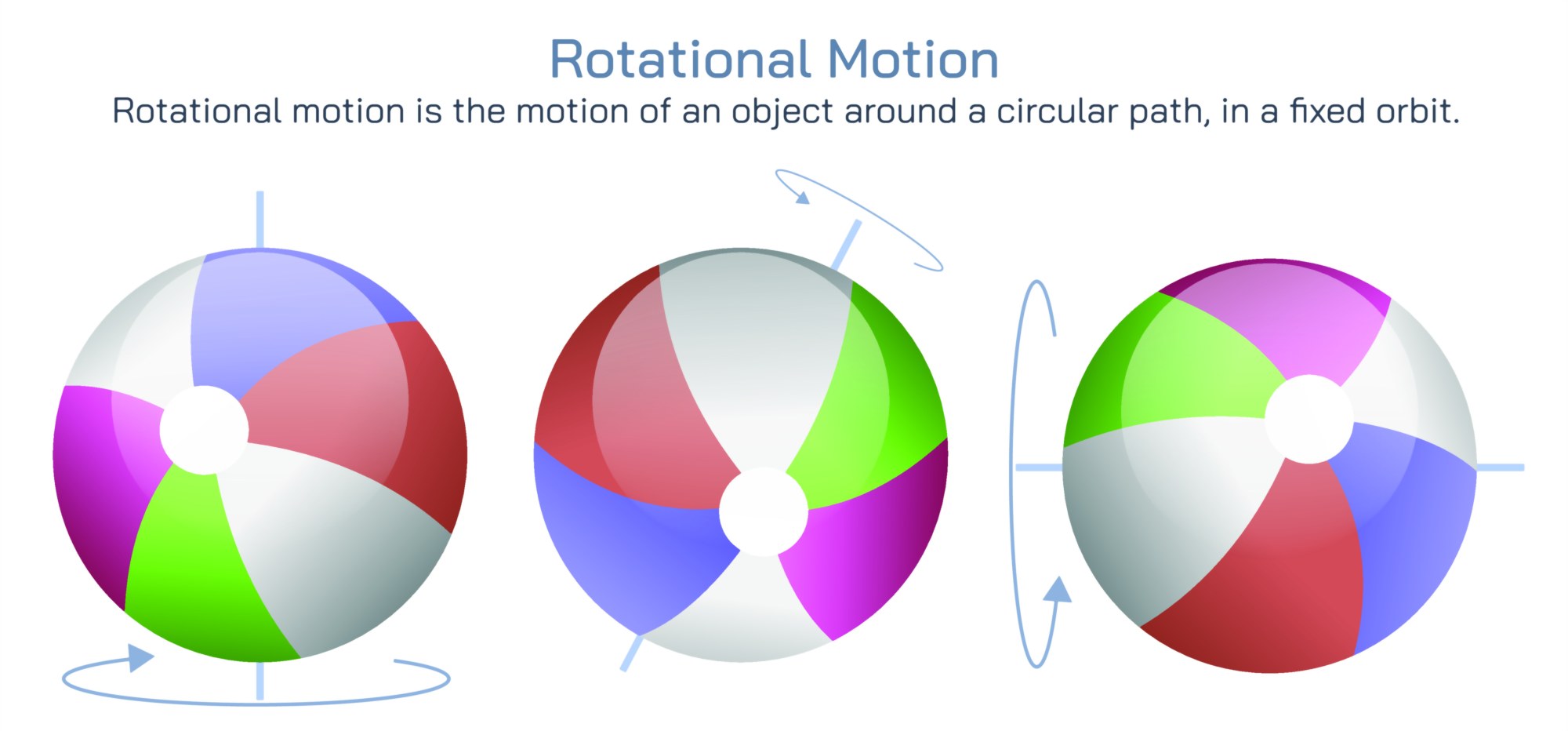
One major type of rotational motion is uniform rotation. In this form, an object spins at a constant rate around a fixed line, maintaining the same angular speed throughout. This smooth and predictable movement is often used to study basic angular concepts and energy distribution. In uniform rotation, not only does the spin remain steady, but the distance from the turning center remains unchanged, giving the entire motion a consistent structure that simplifies analysis. Systems that exhibit this type of rotation show stability and repeatability, useful for controlled experiments and mechanical design.
Another significant type is non uniform rotation, where angular speed changes with time. Here, the motion becomes dynamic because the turning rate increases or decreases due to applied influence. These influences may include external push, internal resistance, or changes in the system configuration. In this category, the object may start slowly, gain speed, or slow down gradually depending on the source of impact. This changing motion is widely observed in real life, such as wheels accelerating during travel or machinery slowing when energy supply decreases. The changing angular speed introduces new variables like rotational acceleration and torque, offering deeper insight into how forces alter turning behavior.
Consider also the rotation of rigid bodies, where every part of the object maintains fixed spacing with every other part during the spin. This form of turning gives a clear picture of how mass distribution affects rotational behavior. Objects with more mass farther from the line of rotation require greater effort to change their angular speed, while those with mass closer to the line turn more easily. This relationship helps explain why a spinning dancer can change spin rate simply by extending or retracting the arms. The rigid body model is important because many rotating systems, from tools to structural components, behave similarly when turning about a fixed line.
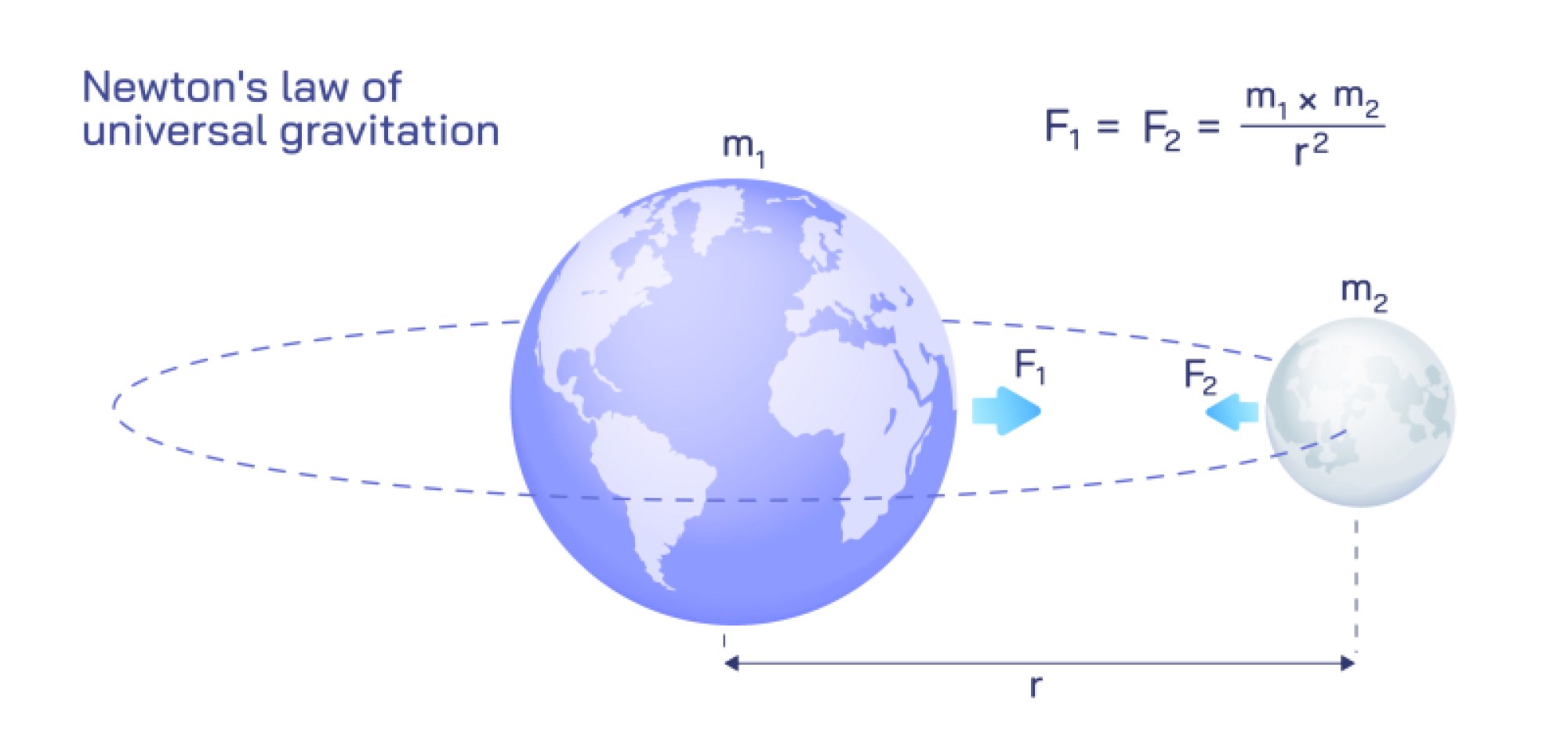
There are also situations where the turning center itself changes. In such cases, the object may spin around its own line while also tracing a curved path around a larger region. This combined behavior appears in planetary systems, rotating wheels moving along a surface, and spinning toys that also change position as they rotate. The combination of internal spin and external path introduces complex patterns of movement, allowing energy to distribute across both turning and forward motion. These dual behaviors make such systems extremely useful for studying conservation of rotational energy, stability, and the effects of external influence on spinning bodies.
Torque plays a central role in rotational motion. It acts like the turning counterpart of linear influence, determining how quickly an object begins spinning, changes its spin, or comes to rest. The effect of torque depends on where it is applied and how the mass of the system is arranged. Even a small push can generate noticeable rotation if applied far from the turning center, while a strong push near the center may produce only slight movement. This relationship helps engineers design tools, improve mechanical efficiency, and understand how everyday actions create rotational results.
Across these different forms, rotational motion shows how objects react when influenced in ways that do not simply push them forward but instead cause them to turn. The study of these movements reveals how mass distribution, angular speed, torque, and external impact all contribute to the final behavior of a spinning system. Each form of rotational motion provides unique insights, and together they help build a complete understanding of how physical systems behave in real and complex scenarios.