Principle of Lever — Force, Fulcrum, and Mechanical Advantage Explained
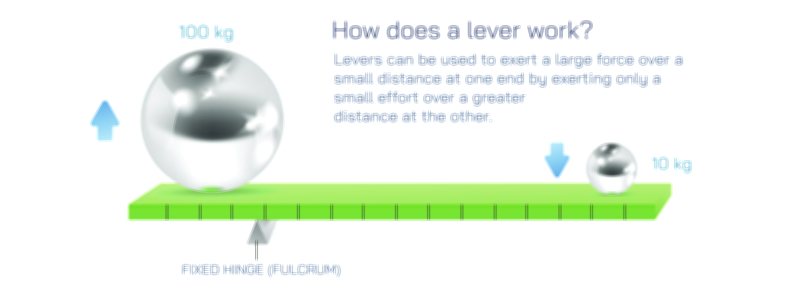
The Principle of Lever is one of the most fundamental ideas in mechanics and helps explain how a relatively small force can be used to lift or move a much heavier load. It relies on the interaction between three essential components: a rigid bar, a pivoting point called the fulcrum, and the forces applied on either side of the bar. These three elements combine to form a simple, powerful machine that multiplies effort and enables efficient movement in daily activities, machines, and biological systems.
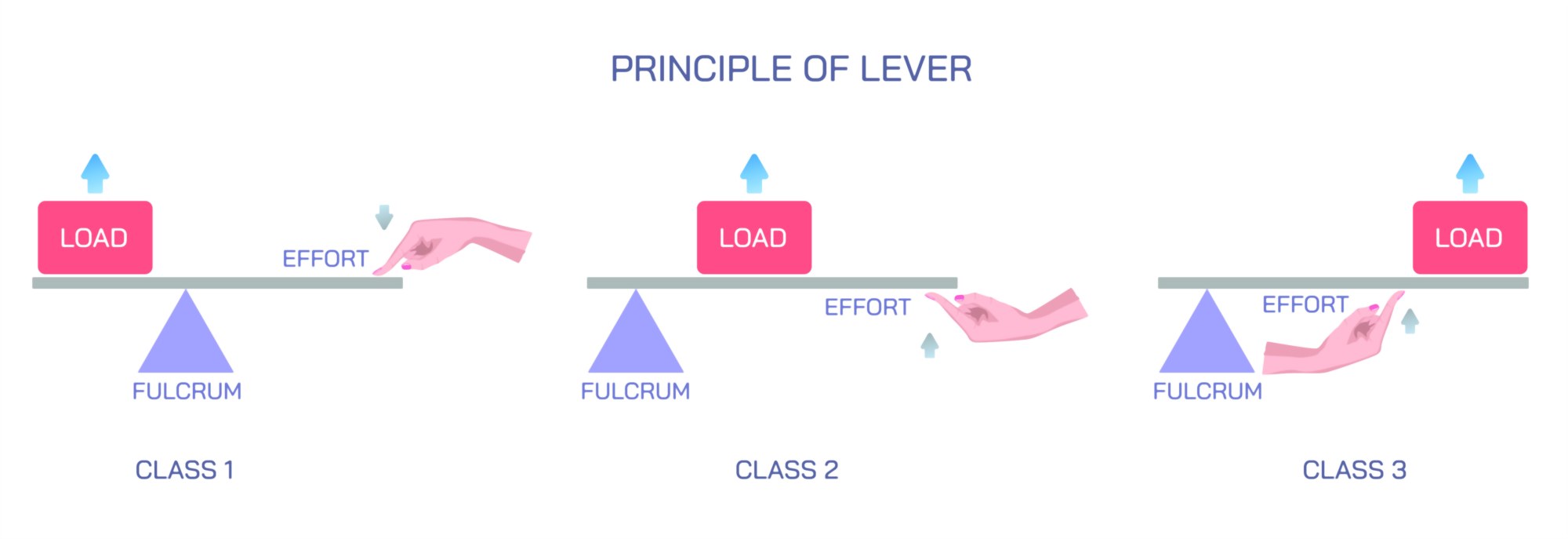
A lever works by rotating around the fulcrum. When a force is applied at one point on the bar, the bar pivots, creating movement on the opposite side. The effectiveness of this movement depends on how far the applied force is from the fulcrum. This distance is known as the effort arm. The load is placed on the opposite side, and the distance from the fulcrum to the load is called the load arm. The relationship between these two distances—effort arm and load arm—determines how much force is needed to move the load. When the effort arm is longer than the load arm, even a small force can lift a large weight.
Mechanical advantage is a key concept in understanding how levers function. It represents how much the lever multiplies the applied force. A lever provides mechanical advantage when the effort arm is greater than the load arm, allowing a person or machine to accomplish more work with less effort. This principle is seen in many everyday tools—scissors, pliers, seesaws, crowbars, even the bones and muscles of the human body. By adjusting the positions of load, fulcrum, and effort, the lever can be designed for greater force or greater speed of movement, making it a versatile component in many systems.
The Principle of Lever appears in three main classes of levers. In a first-class lever, the fulcrum sits between the effort and the load, producing a wide range of motion and force depending on arm lengths. In a second-class lever, the load sits between the fulcrum and the effort, providing strong mechanical advantage, making it ideal for lifting heavier weights. In a third-class lever, the effort is applied between the fulcrum and the load, producing higher speed and wider movement rather than force multiplication. Many parts of the human body, such as the limbs, function with third-class lever arrangements to allow fast and flexible movements.
Across all these examples, the underlying principle remains the same: a lever transforms a smaller effort into greater work by using distance from the fulcrum to create rotational advantage. This combination of force, distance, and pivot allows levers to serve as essential mechanical tools across simple household devices, engineering systems, and biological structures. Understanding the Principle of Lever provides deeper insight into how movement is generated, how forces interact, and how mechanical advantage transforms physical effort into effective action.