Detailed Overview of Hypermetropic and Myopia Refractive Conditions
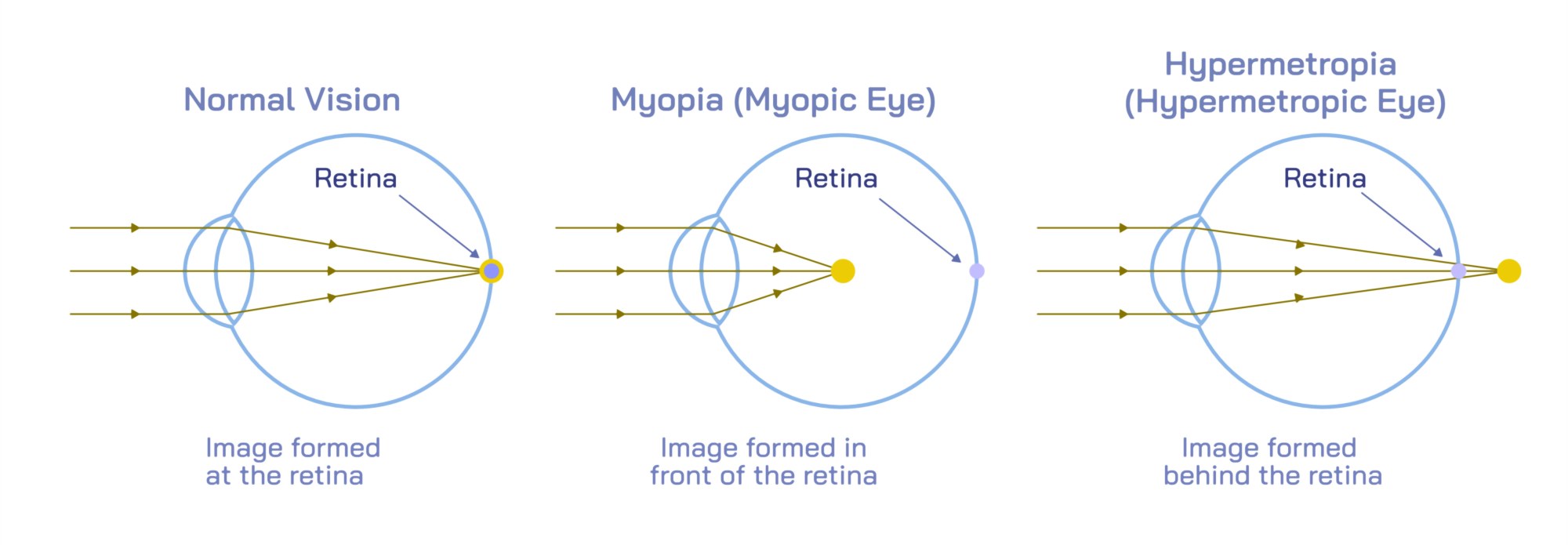
Hypermetropic and myopia represent two major refractive variations that influence how the eye interprets incoming light. These conditions affect the way images are formed on the retina, shaping visual clarity during daily activities. Each pattern changes the direction of light inside the eye, altering the position where the image settles and thereby influencing focus at different distances.
In the case of one condition, the eye tends to direct light to a point that lies behind the retina rather than directly on it. This pattern usually makes nearby objects appear less clear, requiring the eye to exert extra effort to bring the image into focus. The shape of the eye or the contour of the lens may contribute to this shift, creating a consistent demand for additional visual adjustment. Individuals experiencing this often find distant scenes easier to interpret than close objects.
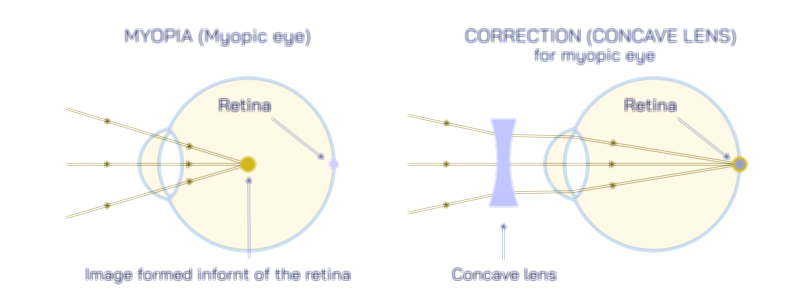
The other condition involves the opposite pattern. Here, light converges in front of the retina instead of reaching the proper point. This makes distant objects appear unclear while near objects remain relatively easier to view. Factors such as elongated eye structure or specific lens curvature play a significant role in creating this shift. The visual system must work harder to interpret faraway shapes, leading to strain when focusing on distant elements.
Both patterns showcase how even small variations in eye structure can dramatically influence clarity, comfort, and performance. Supportive lenses often assist in directing light to the correct retinal position, helping the eye achieve more accurate focus. Understanding these conditions provides insight into why certain tasks, such as reading, walking outdoors, or identifying details at a distance, may feel more challenging for some individuals.
Overall, these refractive conditions highlight the importance of proper understanding and evaluation of visual function. Their study reveals how structural differences affect everyday sight and how targeted adjustments can restore comfort and clarity. This knowledge is essential for education, clinical guidance, and visual science exploration.