Comprehensive Overview of Line Types and Their Structural Behavior in Geometry and Drawing
Lines form the most fundamental visual elements used in geometry, drawing, and design. They help organize shapes, define boundaries, create direction, and guide the viewer’s eye across a space. Understanding different line types provides insight into structure, balance, and the way forms communicate ideas. Each line type carries its own behavior, appearance, and expressive value, making them essential components in both education and creative work.
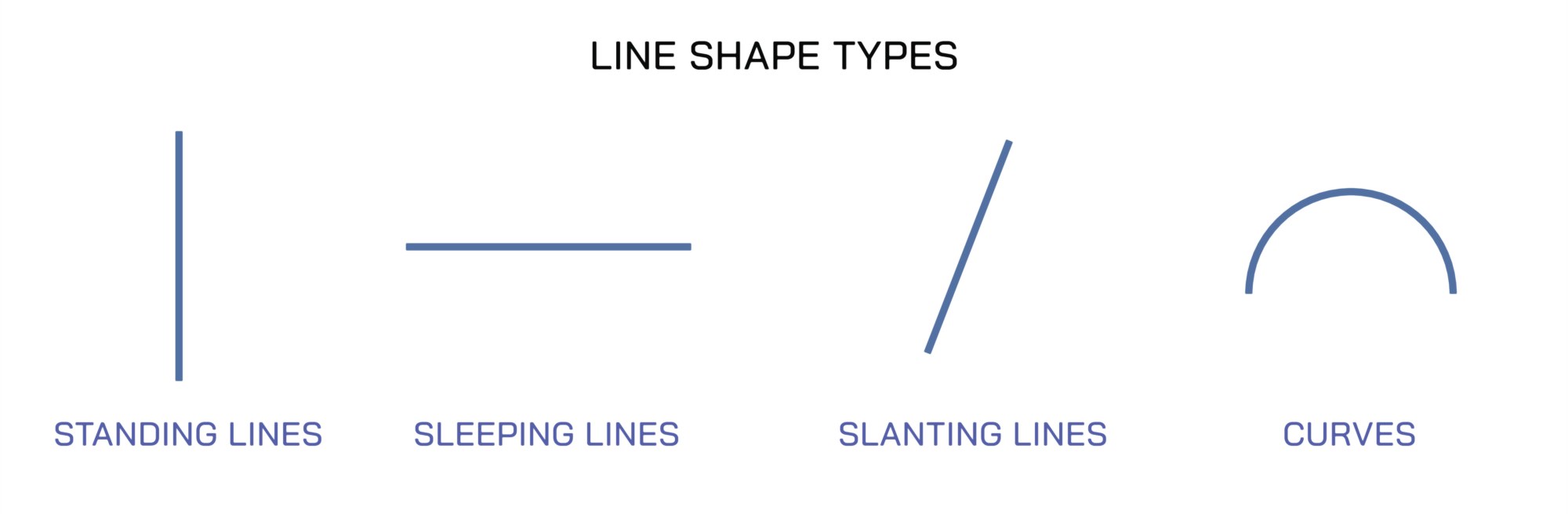
One primary form is the straight line, recognized for its firm direction and balanced structure. It can represent height, length, or separation depending on its orientation. When positioned in an upright direction, the line creates a sense of stability and strength. When laid flat, it suggests rest and calmness. Straight forms are widely used in diagrams, geometry problems, and architectural layouts due to their clarity and reliability.
Another familiar type is the sleeping line. This form extends horizontally and is associated with rest, quietness, and still movement. It establishes a base or foundation for various shapes and plays a significant role in simple drawing exercises. Its even spread across space creates a sense of peace while helping learners understand alignment and proportion.
The slanting line introduces direction and motion. Its angled layout gives the sense of rising, falling, or shifting depending on how it leans. This type of line appears often in illustrations representing energy, speed, or change. Its dynamic quality brings life to sketches and demonstrates how angle influences visual interpretation. Students learn early that tilting a line can transform the meaning of a shape or drawing.
Curved lines add a smooth and flowing quality to visual structure. They bend gently or strongly depending on the shape, creating loops, waves, or natural contours. These forms are often used to depict motion, softness, or organic shapes such as leaves, waves, or pathways. Curved lines enhance expressiveness and provide contrast to straight or slanting forms, helping artists and learners explore flexibility in design.
Altogether, these line types showcase the immense variety that a simple stroke can create. By understanding standard, sleeping, slanting, and curved forms, learners gain the foundation needed for geometry, handwriting, art, diagramming, and structural analysis. Their study strengthens visual perception and deepens appreciation for the fundamental building blocks of all shapes and drawings.