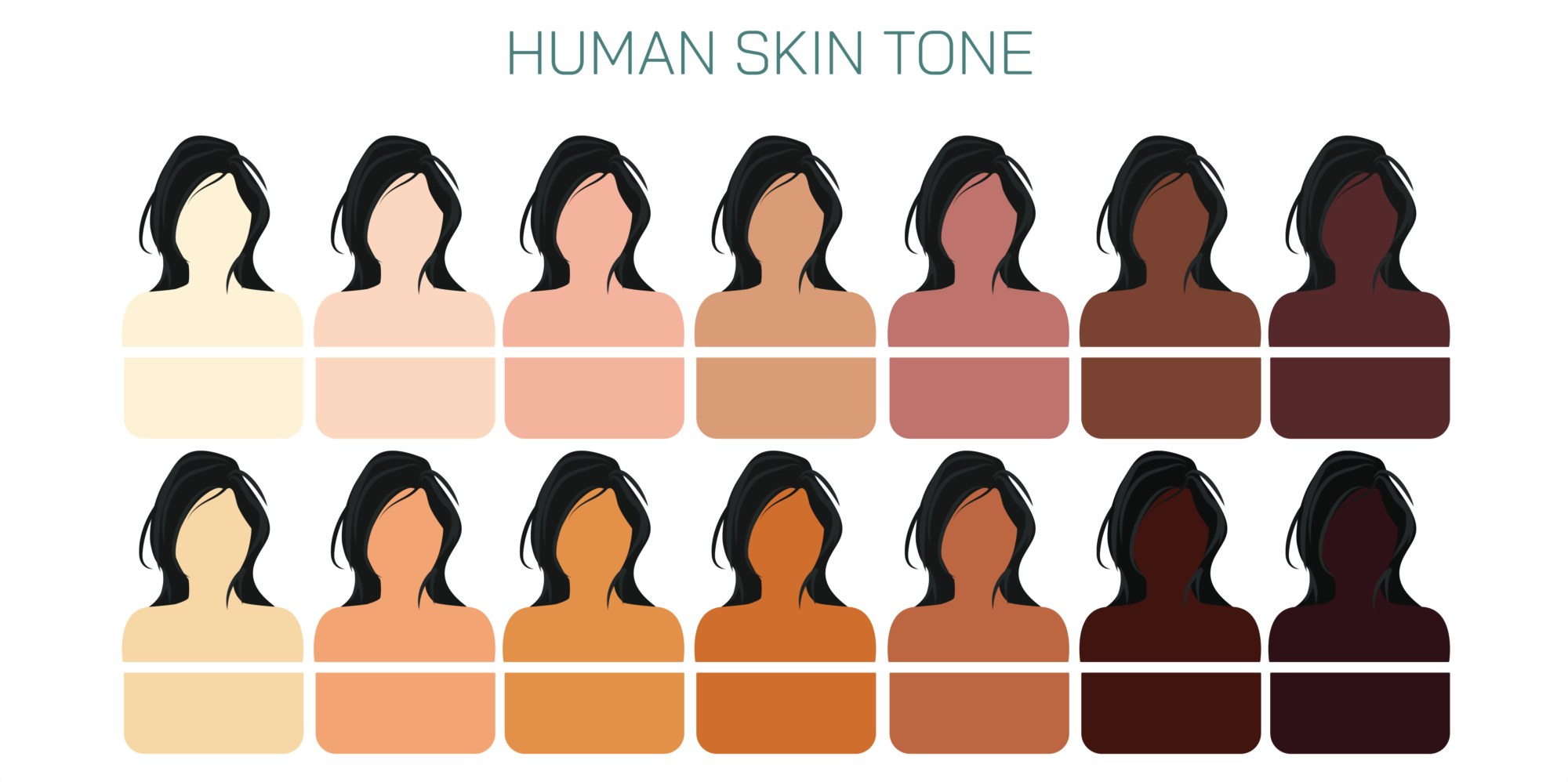
Human Skin Tone and Melanin Pigments — A Deep Biological Overview
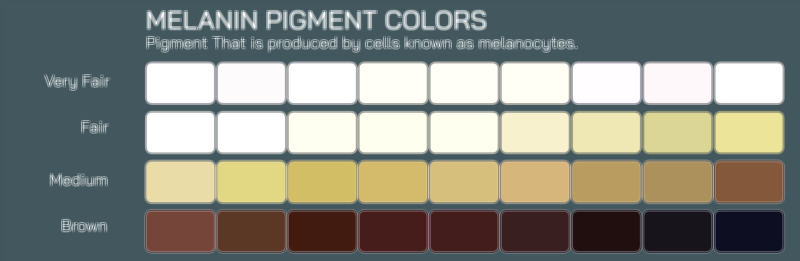
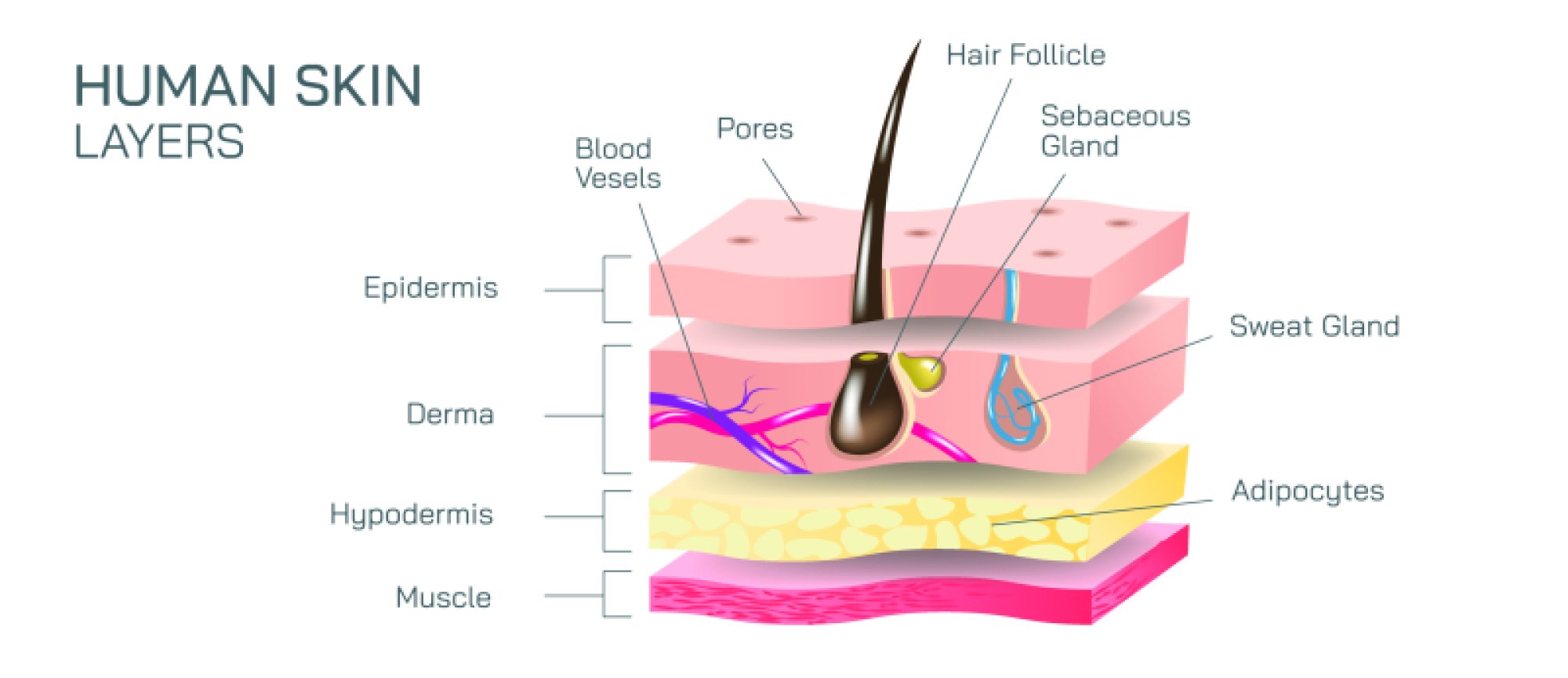
The appearance of human skin tone emerges from an intricate biological system shaped by pigment molecules, cellular functions, tissue layering, and environmental interactions. At the foundation of this system lies melanin, a complex group of organic pigments produced by specialized cells called melanocytes. These cells reside within the basal layer of the epidermis and gradually transfer pigment granules to surrounding cells, influencing visual tone across the skin surface. The rich variety of human tones results from the density, distribution, and type of these pigments rather than differences in basic structure.
Melanin plays a vital defensive role beyond coloring. As sunlight reaches the surface, ultraviolet energy can disrupt cellular molecules. Melanin absorbs and scatters a significant portion of this radiation, reducing the likelihood of cellular damage. This protective property highlights why tone diversity correlates with long-term environmental exposure patterns across human populations. Regions with intense sunlight historically favored higher pigment levels, enabling enhanced shielding and safer adaptation. In contrast, regions with lower sunlight allowed lighter tones to support more efficient vitamin production.
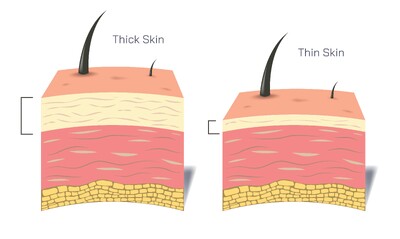
Two primary pigment types influence skin appearance: eumelanin, which creates deep brown shades, and pheomelanin, which contributes lighter or reddish tones. Individual variations in these pigments define unique tone expressions across people. The balance of these molecules is directed by genetic patterns, cellular signaling, and biological rhythms, creating a spectrum rather than rigid categories. The presence of additional factors such as blood vessel visibility, tissue thickness, and carotenoid molecules further refines the final appearance.
Human skin tone remains an outstanding example of biological complexity functioning with elegance and purpose. Its formation reflects evolution, adaptation, cellular coordination, and environmental interplay. Understanding this system provides insight into personal identity, health, and physiological protection while highlighting the remarkable diversity within the human species.