Eye Iris Color and Human Eye Pigment — Structure, Shade Diversity, and Natural Variation
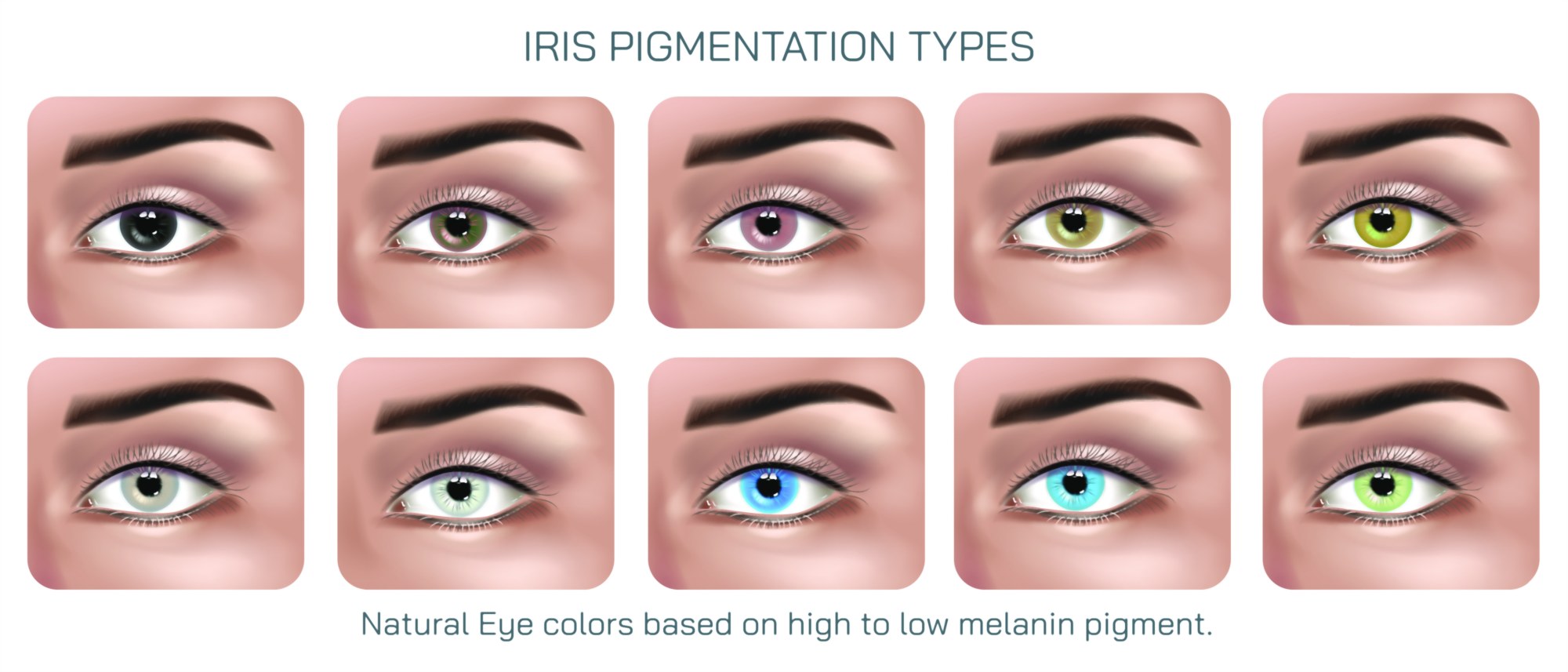
The iris stands as one of the most visually striking structures of the human eye. It serves not only as the shield that controls light entering the inner chamber but also as the canvas that displays a wide range of natural shades. These shades, often admired for their beauty, arise from a mix of structural features and specific pigments found in the surface layers. Each eye carries its own distinct blend of these elements, giving rise to unique patterns that differ from person to person. The combination of distribution, density, and arrangement of these pigments creates the familiar colors seen in daily life such as brown, blue, green, hazel, gray, and various intermediate tones.
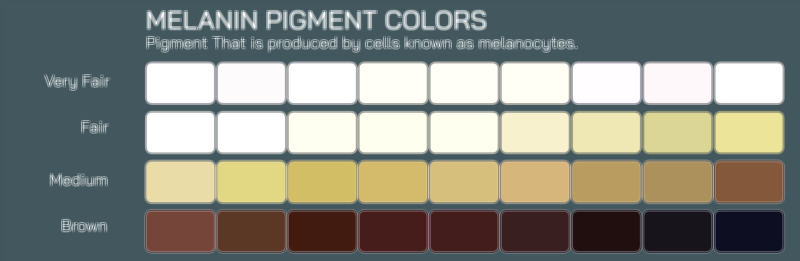
To understand how iris color appears, it is useful to begin with its layered structure. The iris contains a front layer where pigment cells gather and a deeper region that contributes to the overall tone through light handling. Among the pigments most commonly involved, a key one brings a warm shade that appears especially dense in darker eyes. This pigment lies within specialized cells that occupy the surface region of the iris, creating strong color effects when present in high amounts. In contrast, eyes with low pigment concentration appear lighter because more light scatters through the inner parts of the iris before reflecting outward.
Different shades emerge not only from pigment concentration but also from the way light passes through the layers. In eyes with minimal pigment, the upper iris scatters incoming light in a manner that gives rise to cooler tones. The inner surface of the iris has a complex texture made of delicate fibers that interact with incoming light, creating additional patterns. This structural interaction produces shimmering rings, radiating lines, and multitone fields that make eye color appear far more detailed than a single flat shade. Even darker eyes show fine structural patterns when observed closely, although the denser pigment can make these details less visible.
Environmental influence also plays a role in final appearance. While genetics set the initial pattern and pigment amount, light exposure, age, and natural biological shifts can subtly alter tone over time. Many infants appear to have lighter eyes at birth because pigment development progresses gradually. As pigment cells expand and organize into stable patterns, eye shade deepens or shifts depending on genetic direction. In adults, slow changes may still occur due to natural aging or long term exposure to light. These changes remain mild but add to the individuality of each person’s appearance.
Beyond basic shade, the iris also contains fine variations such as specks, rings, clouds, and sector shapes. These nuances form as pigment clusters, surface grooves, and small structural irregularities combine. Certain individuals display mixtures of light and dark zones that create a multicolored look. Others show a ring around the outer edge, known for its sharp contrast with the inner region. Some eyes include small dots of different tone scattered across the surface. These details arise naturally as pigment cells spread during early development and are part of the identity of each iris.
The surrounding parts of the eye also enhance how color is seen. The white region creates contrast that makes darker eyes appear even deeper. In lighter eyes, this contrast is softer, giving the entire eye a brighter appearance. The clarity of the outer transparent layer plays a role as well. When the outer surface remains smooth and well hydrated, the iris appears sharper. When this surface becomes dry or uneven, the iris may appear slightly duller. These visual effects do not change pigment but influence how the color is perceived from the outside.
Certain conditions may alter pigment distribution, leading to changes that affect appearance. Some individuals may develop uneven pigment patches, creating an iris with two different shades. Others may show small light areas where pigment concentration decreases. These variations are usually harmless and simply part of natural biological diversity. In rare cases, stronger changes occur due to specific conditions, but such shifts remain exceptions rather than the rule.
The emotional and cultural impact of eye color has been significant throughout history. Many communities associate specific shades with heritage, climate regions, or symbolic meaning. Although these interpretations vary widely, the scientific basis remains tied to pigment distribution and light behavior. The blend of biological structure and natural interaction with light makes the iris one of the most fascinating features of the human body.
When studying or designing visual material, understanding how pigment shapes iris color helps artists create accurate and expressive illustrations. Adobe vector work often uses layered gradients, subtle textures, and fine lines to mimic the natural look of the iris. By combining structural rings and pigment zones, designers recreate the depth and vibrancy that define real eyes. This practical use shows how science and visual art merge to explain the natural beauty of human iris color and pigment.