Overview of the Cellular Process Behind Collagen Development
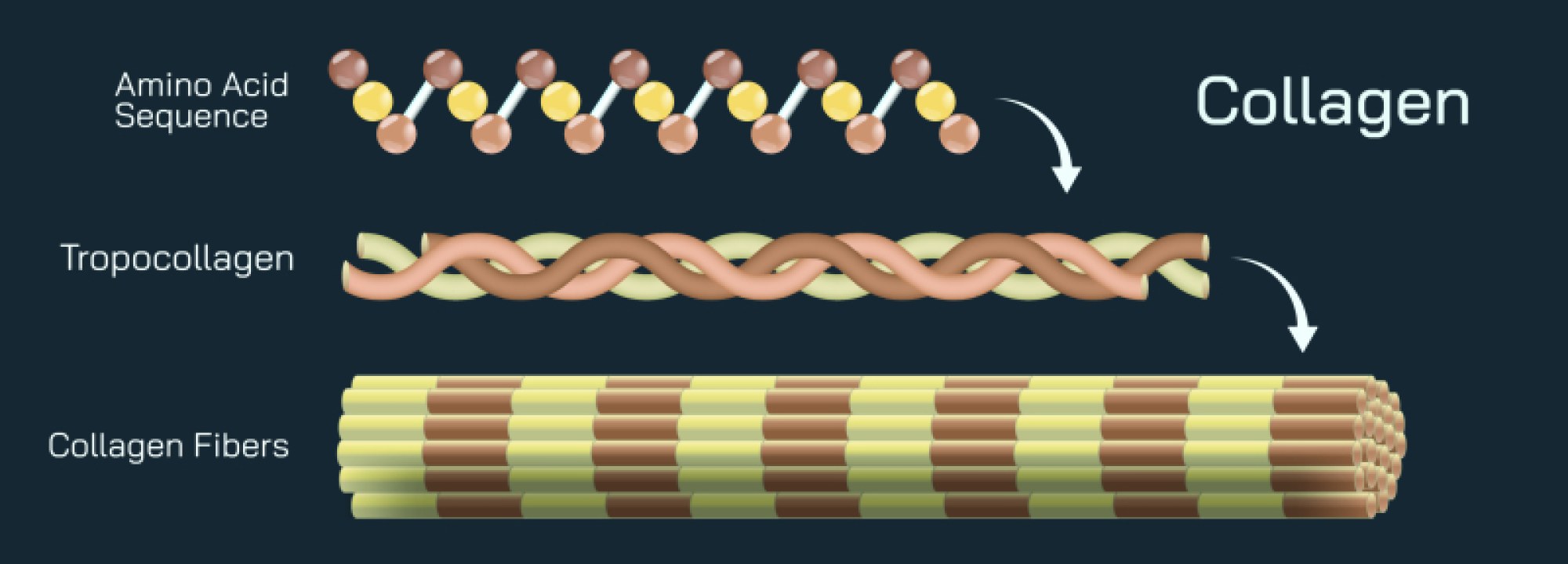
Collagen formation is driven by specialized cells that coordinate a sequence of intricate steps to create durable structural material within the body. These cells release key building units that gradually link and arrange into long strands, producing a strong framework capable of supporting diverse biological functions. As these strands align, they generate a resilient matrix that contributes to flexibility, resilience, and stability across many layers of the body.
The early phases involve internal processing where small molecular units are prepared, shaped, and transported toward regions that require reinforcement. Environmental factors such as mineral balance, hydration, and metabolic activity influence how efficiently these units develop. When conditions are optimal, the developing material integrates smoothly into surrounding regions, strengthening overall performance and maintaining harmony between internal components.
Once assembled, the new structure interacts with neighboring cells and tissues, helping maintain shape, elasticity, and integrity. This dynamic network continues to adjust through subtle remodeling actions, responding to mechanical stress, growth demands, and natural aging. These adjustments allow the body to repair damage, preserve mobility, and support normal physiological activity.
Understanding how this material develops provides valuable insight into skin quality, joint flexibility, and internal repair mechanisms. It also highlights the importance of nutrients, lifestyle choices, and environmental conditions that influence how effectively the body sustains essential supportive frameworks.