The anatomy of a chicken egg is a fascinating example of biological design and efficiency, combining nutrition, protection and reproductive function within a compact and self-contained structure. Although eggs are widely recognized as an everyday food, their structure reflects millions of years of avian evolution aimed at supporting the development of an embryo outside the mother’s body. Every layer of the egg is built to protect, nourish and stabilize life from the moment the egg is laid until hatching occurs under the right environmental conditions.
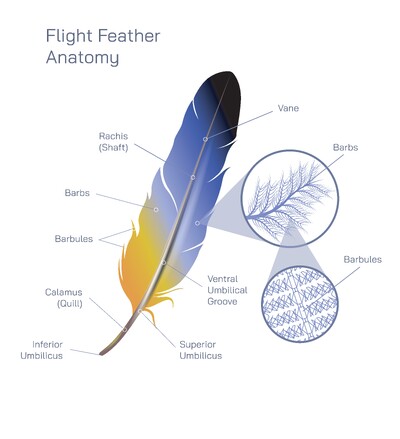
The outermost part of the egg is the shell, a rigid yet semi-permeable structure composed mainly of calcium carbonate. Its primary purpose is mechanical protection, guarding the inner contents against predators, pressure, and accidental breakage. Despite its strength, the shell contains thousands of tiny pores that allow gas exchange between the inner egg environment and the external atmosphere. Oxygen enters through these pores and carbon dioxide leaves, making respiration possible for a developing embryo. Covering the shell is a thin wax-like coating called the cuticle or bloom, which seals pores, repels bacteria and preserves moisture within the egg.
Immediately beneath the shell are the inner and outer shell membranes, thin protective sheets made primarily of fibrous proteins. These membranes create an additional line of defense against microbial invasion and help regulate moisture. As the egg cools after being laid, the contents slightly contract, causing the inner membrane to separate from the shell at the broad end of the egg and form the air cell. This pocket of air becomes crucial during late embryonic development because it provides the chick with its first breath just before hatching.
Inside the membranes lies the albumen, commonly known as the egg white. The albumen is a protein-rich substance composed mostly of water and various types of proteins that provide cushioning, hydration and nutrition. The albumen also contains natural antimicrobial properties, adding further biological security. Its layered design is purposeful: a thicker viscous layer surrounds the yolk tightly to prevent rapid movement, while the thinner outer layers fill the rest of the egg for shock absorption. The albumen serves not only as a protectant but also as a major nutritional resource for a developing embryo, gradually consumed throughout incubation.
Suspended within the albumen is the yolk, the most nutrient-dense component of the egg. The yolk contains proteins, fats, vitamins and minerals that fuel embryonic growth. Its golden color comes from carotenoid pigments derived from the hen’s diet. The yolk’s integrity is preserved by the vitelline membrane, which surrounds it and maintains its spherical shape. At the surface of the yolk is a small circular structure known as the germinal disc or blastodisc. In an unfertilized egg, this region is inactive; in a fertilized egg, it represents the site of embryonic development, where early cell division begins.
A unique feature of egg anatomy, the chalazae, consists of twisted cord-like strands positioned on opposite sides of the yolk. These structures act like stabilizing anchors, keeping the yolk centered within the albumen and preventing damage during movement or rotation. Because the chalazae are attached directly to the membranes, they rotate the yolk gradually to ensure nutrients and warmth distribute evenly during incubation.
From a biological perspective, each component of the egg supports one primary objective: to nurture the embryo safely until the chick is developed enough to survive on its own. The albumen stores large volumes of water and protein for gradual metabolic use. The yolk acts as the energy reservoir and source of structural building material as the embryo forms tissues, organs and systems. The membranes act as semi-permeable boundaries controlling hydration and airflow. The shell forms a defensive barrier that withstands external force while still facilitating respiration.
The formation of the egg inside the hen is an equally remarkable process. The yolk is created first within the hen’s ovary. Once released, it travels through the oviduct, where the albumen layers accumulate in multiple stages. The inner and outer membranes form next, followed by shell deposition, which takes the longest period. Calcium is transported from the hen’s bloodstream and crystallizes around the egg as the shell forms. Finally, the cuticle coating is applied just before the egg is laid, ensuring a last level of protection.
Understanding egg anatomy also provides valuable information for food science and culinary practices. The strength of the shell, thickness of the albumen and firmness of the yolk determine egg freshness. A strong rounded yolk and tall thick albumen indicate a fresh egg, whereas a flattened yolk and watery albumen indicate aging. Storage temperature influences air cell growth and albumen consistency, which explains why refrigeration slows quality changes. From a nutritional standpoint, the yolk contributes most dietary fat, vitamins A, D, E and K, as well as essential fatty acids, while the albumen supplies high-quality protein with minimal fat.
The chicken egg is both a biological container of life and one of humanity’s most versatile foods. While it functions as a reproductive vessel in nature, its evolutionary design has also made it valuable in nutrition, medicine, research and agriculture. The balance of protection and nourishment embodied in egg anatomy highlights the sophistication of biological architecture. Whether regarded through the lens of developmental biology, natural engineering or food science, the chicken egg remains a perfect model of efficiency, resilience and purposeful design.