Extensive Anatomy Overview of the Human Hand Skeleton
The human hand skeleton forms a remarkable framework that supports precise movement, coordinated actions, and functional versatility. Its arrangement reflects an intricate balance between stability and flexibility, allowing the hand to perform delicate tasks as well as forceful actions when needed. This structure links seamlessly with surrounding tissues, enabling the body to interact with objects, communicate through gesture, and execute complex activities with refined control.
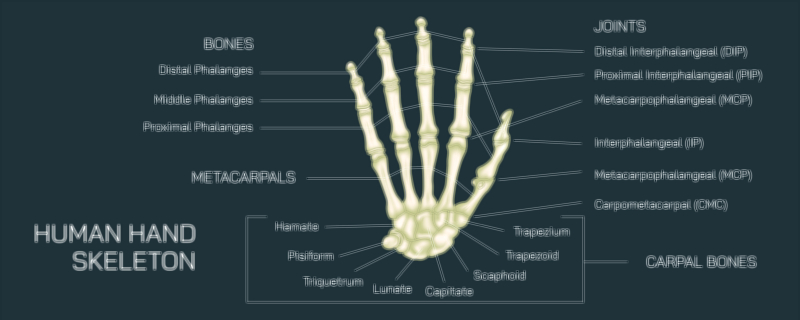
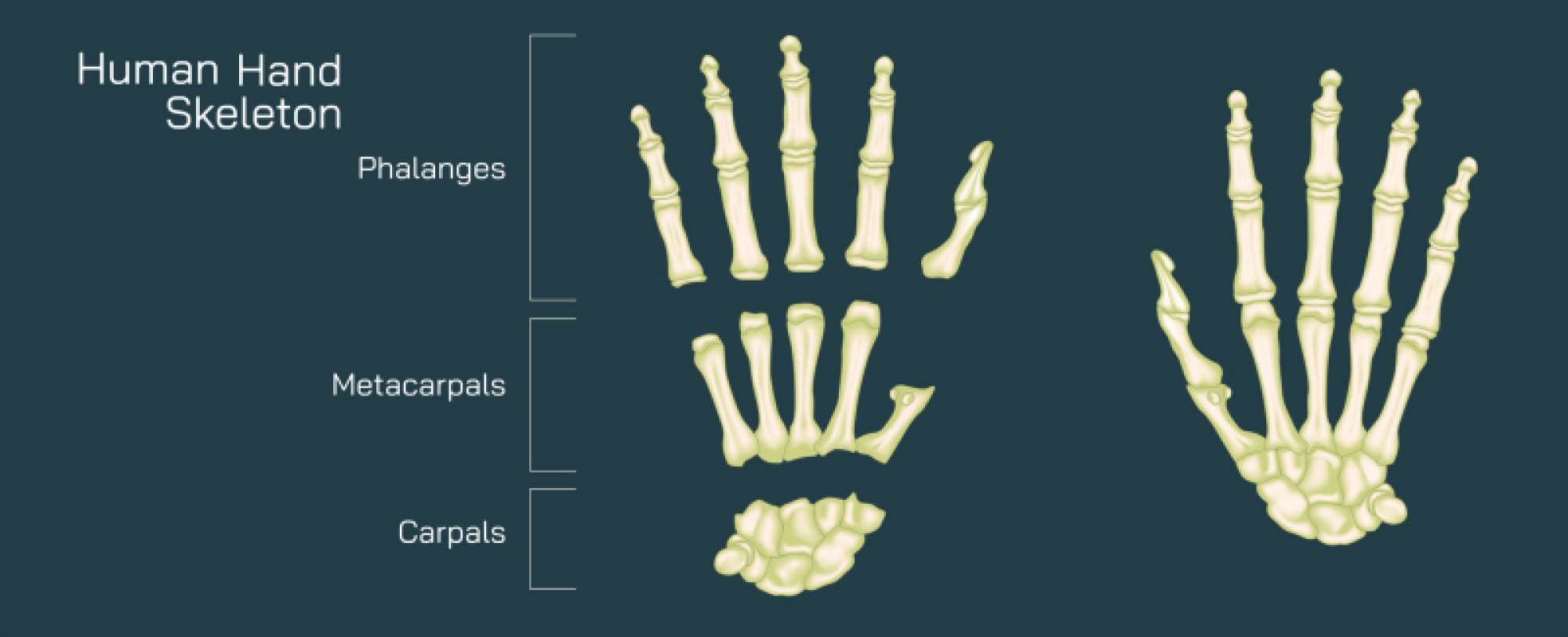
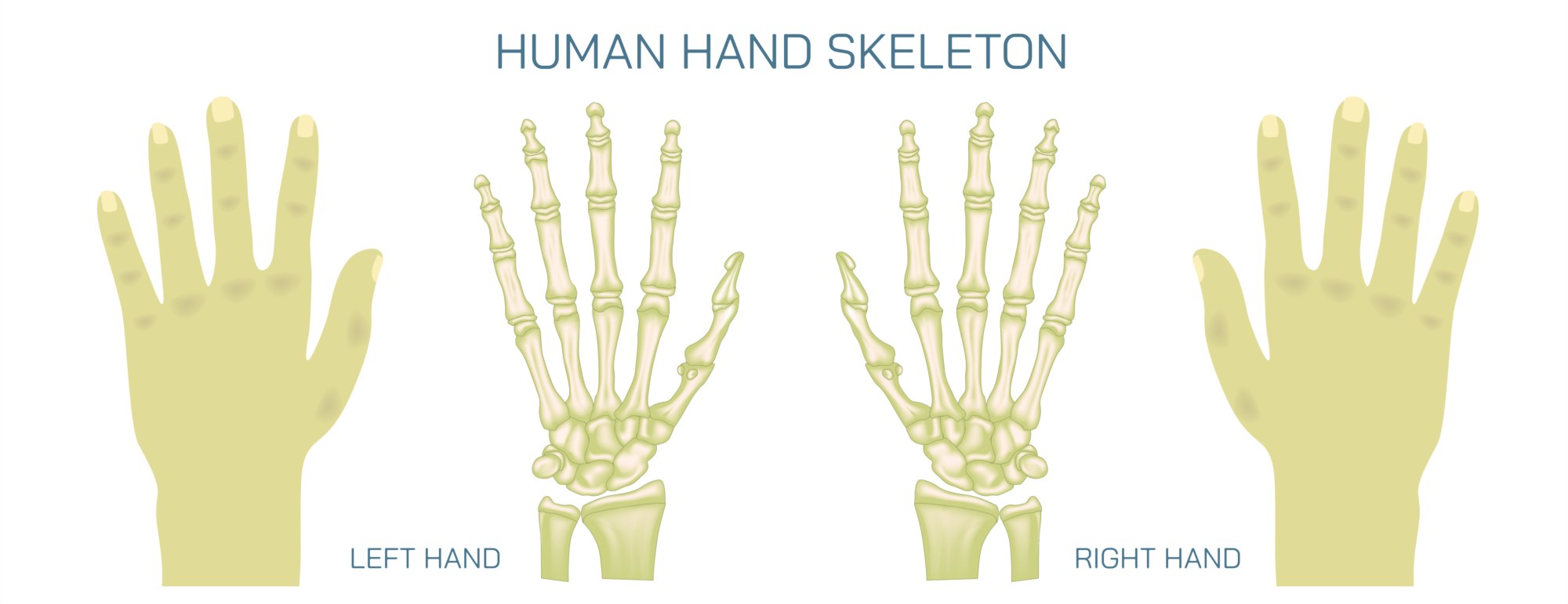
At the base of this system lies a compact assembly of small wrist components that distribute force and make smooth motion possible. These elements create a flexible connection between the forearm and the palm, ensuring that rotation, bending, and lifting actions occur with controlled precision. They also act as shock absorbers, helping the hand adapt to various forms of impact during daily tasks.
Extending from the wrist is the palm region, supported by elongated units that form the central framework of the hand. These elements maintain shape, alignment, and structural strength while creating a stable platform for movement. Their arrangement supports both firm grip and subtle adjustments, giving the palm a vital role in controlling pressure and balance.
The upper portion features the segmented structures of each finger. Their multiple levels allow detailed articulation, enabling bending, stretching, grasping, and controlled release. This layered arrangement is essential for activities such as writing, lifting objects, or creating expressive gestures. The thumb, with its unique form, enhances functional capability by allowing opposition and wider ranges of interaction.
Overall, the human hand skeleton demonstrates a sophisticated design where each unit contributes to coordinated motion. Understanding this system provides valuable insight into physical function, clinical assessment, biological development, and educational study. Its complexity highlights the remarkable engineering present within the human body.