Comprehensive Overview of Human Knee Anatomy and Joint Structure
The human knee is a complex hinge joint designed to support body weight while enabling smooth walking, running, bending, and rotational motion. Its structure reflects a powerful combination of strength and flexibility, allowing the lower limb to perform both stable and dynamic movements. The knee connects major bones of the leg and coordinates with surrounding tissues to maintain balance and mobility under varying physical conditions.
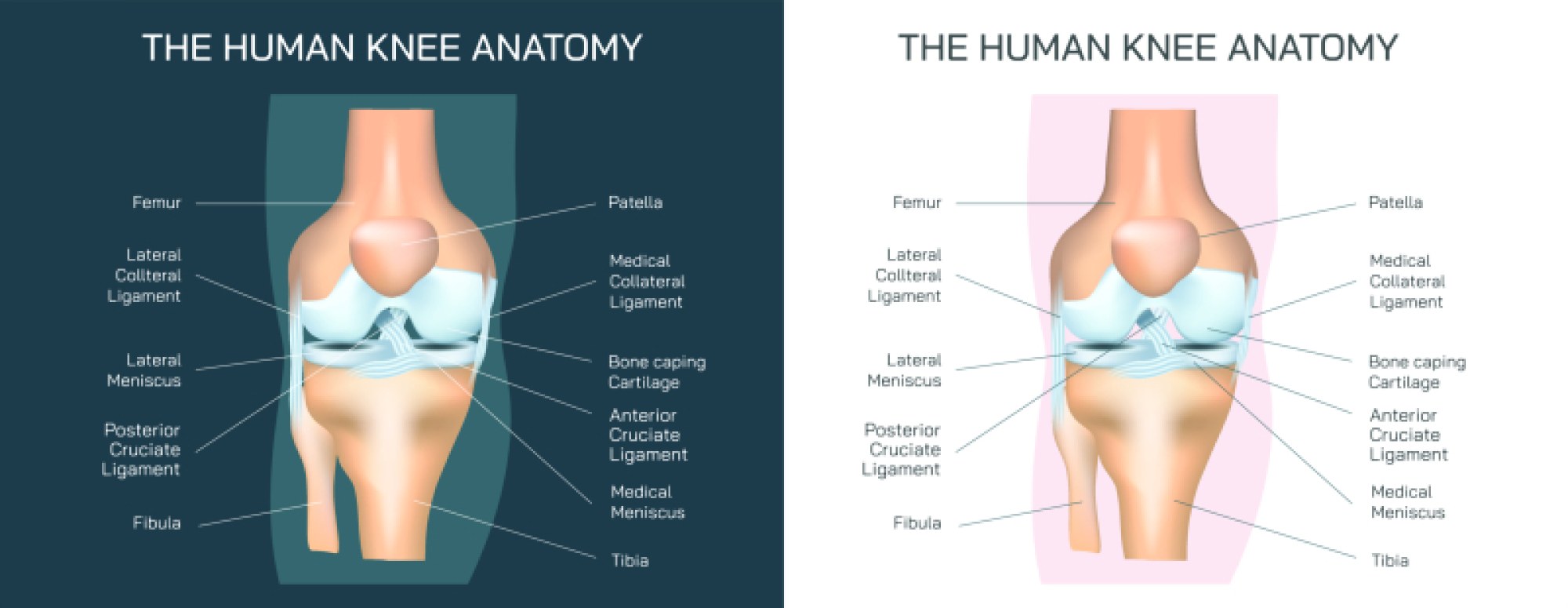
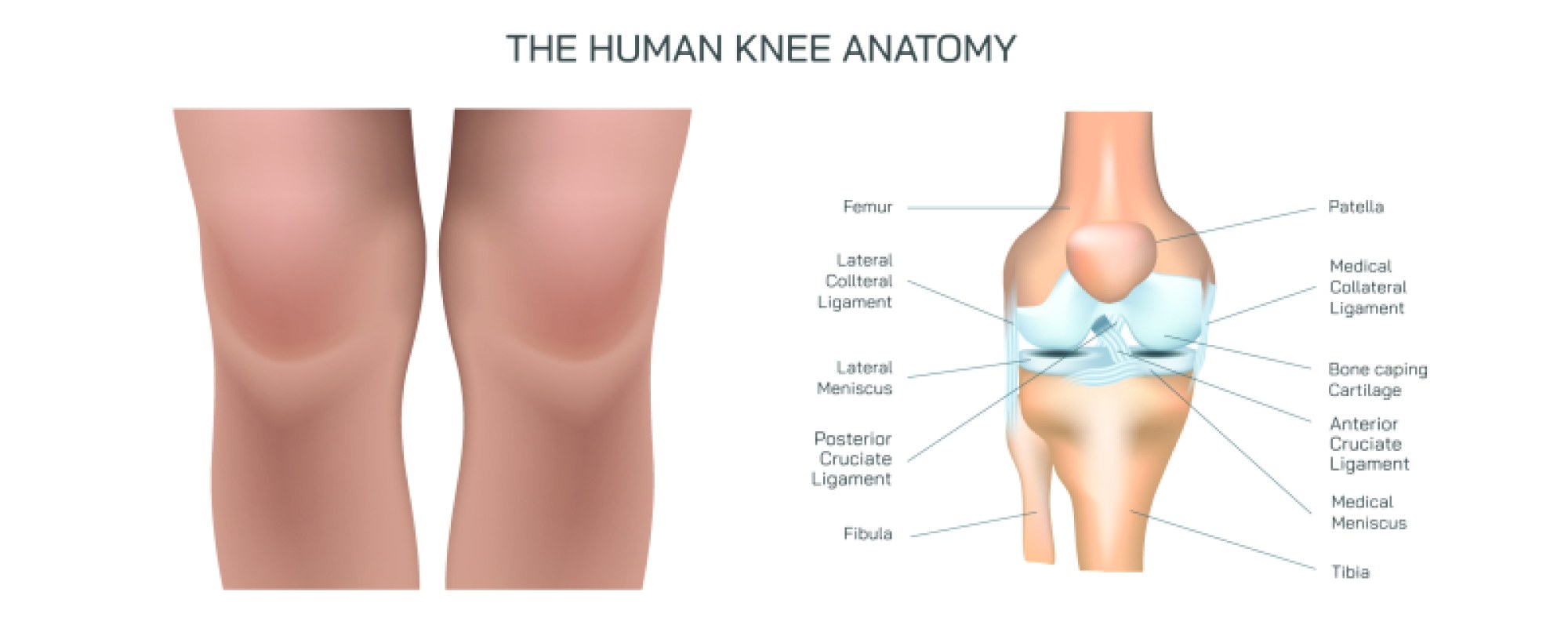
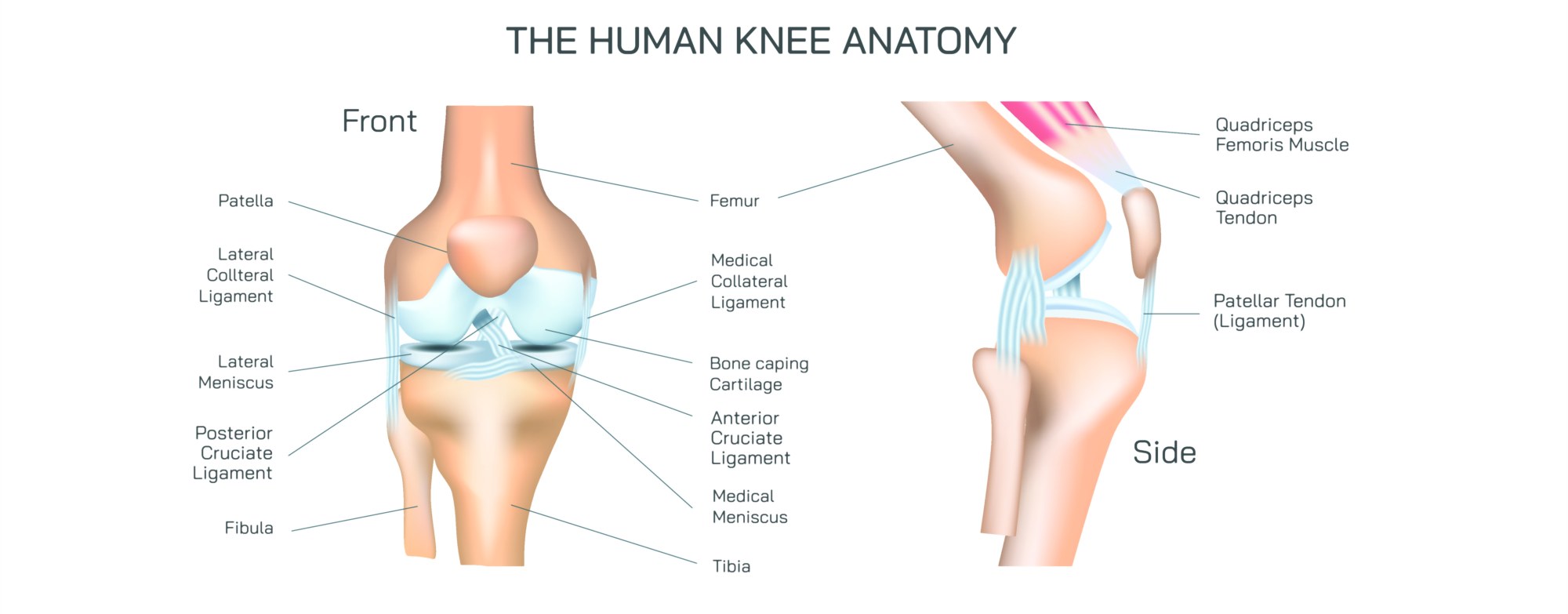
At the core of the knee are the large connecting bones that form the main framework of the joint. Their surfaces are shaped to allow controlled motion while bearing significant pressure during standing and movement. A protective structure at the front enhances force distribution and helps maintain alignment when the joint bends or straightens. Together, these elements create a stable yet adaptable base for locomotion.
Surrounding this central framework are supportive tissues that reinforce stability and prevent unwanted motion. These include strong bands positioned on multiple sides of the joint that limit excessive rotation and side bending. Additional internal structures help maintain alignment between the bones, ensuring the joint moves smoothly during activity. Their coordinated function is essential for maintaining balance and preventing injury.
Between the major surfaces lie cushioning components that reduce friction and absorb shock. These resilient layers allow the knee to withstand repeated impact during activities such as walking, climbing, or running. They also help distribute load evenly across the joint, ensuring long-term durability and comfort during continuous movement.
Various fluid-filled and soft-tissue regions surround the joint, providing lubrication and reducing wear. These elements allow the bones and supportive tissues to move without friction, enhancing range of motion and improving joint efficiency. The combined system ensures smooth transitions between different types of movement, from gentle bending to powerful extension.
Understanding the human knee anatomy provides valuable insight into joint mechanics, clinical examination, injury prevention, and rehabilitation. Its design showcases a carefully integrated system of bones, tissues, and supportive structures that enable efficient mobility throughout daily life.