Comprehensive Overview of the Malaria Transmission Cycle and Parasite Movement
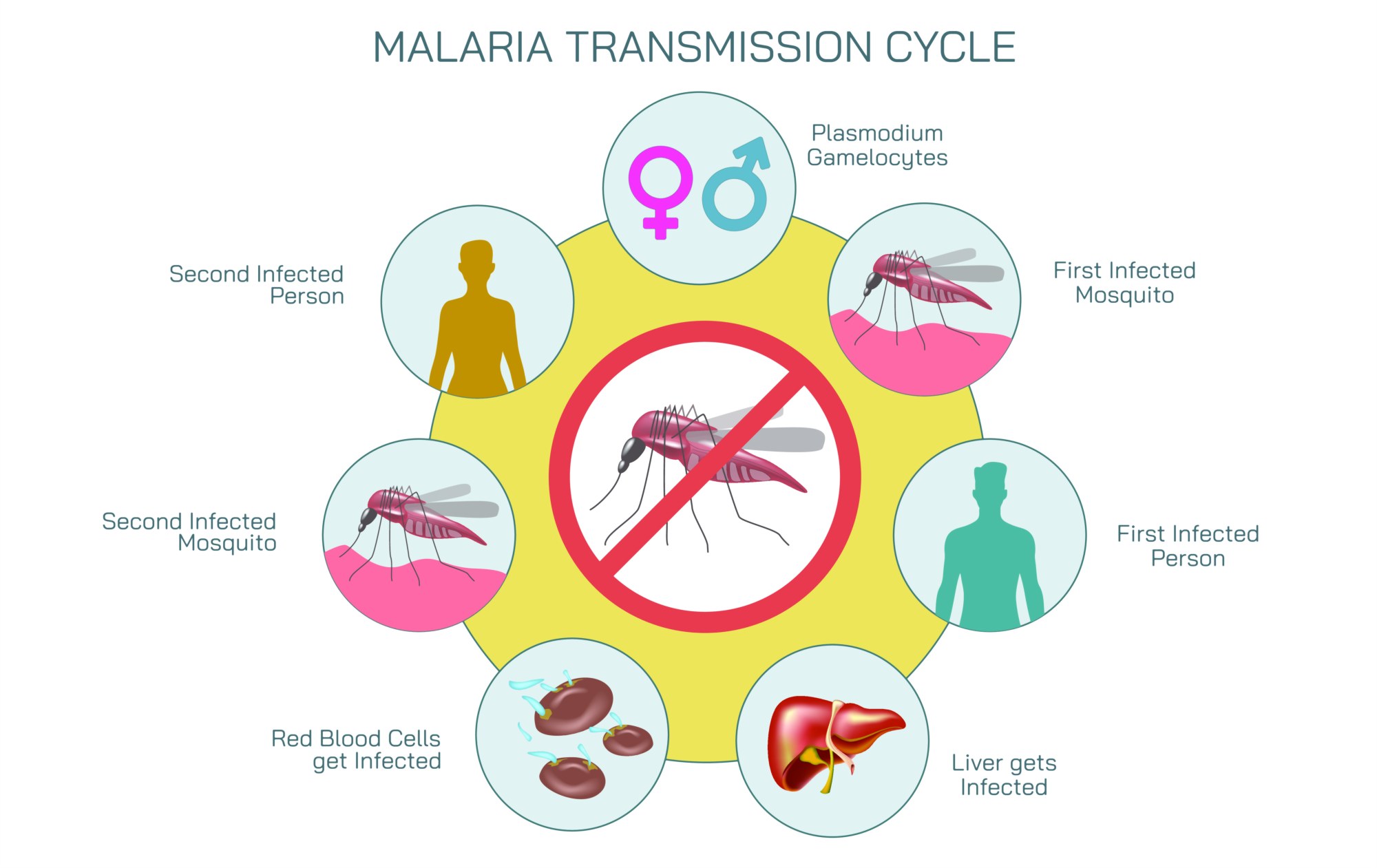
The malaria transmission cycle describes how the parasite moves between mosquito and human, completing a sequence of stages that allow it to survive, multiply, and spread. This cycle depends on a close interaction between an insect carrier and a human host, making each stage essential for the continuation of the disease. Understanding these stages helps explain how the infection spreads, how symptoms appear, and where prevention can interrupt the process.
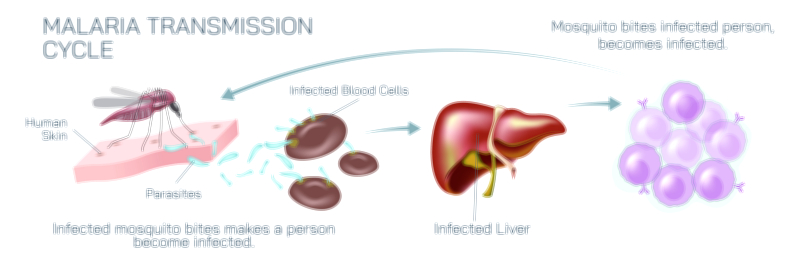
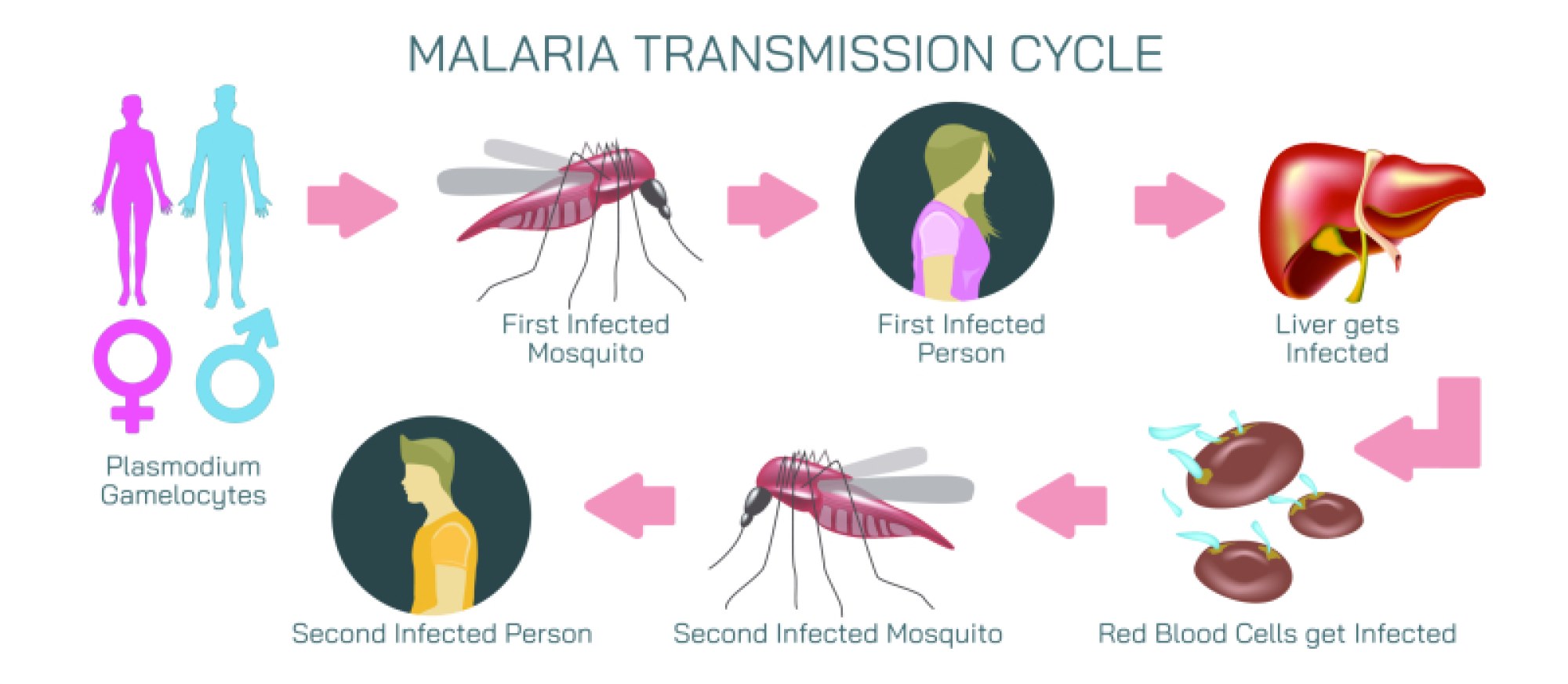
The cycle begins when an infected mosquito feeds on a human. During the bite, tiny forms of the parasite enter the bloodstream and quickly travel to internal organs where early development begins. This initial stage is silent, with no visible signs, yet it sets the foundation for the later spread of the parasite within the body. As the parasite grows, it changes form and prepares for the next step in the cycle.
Once development is complete in these early regions, the parasite moves back into the bloodstream, where it begins a rapid multiplication process. This phase affects cells that are vital for carrying oxygen, causing repeated bursts that release more parasite forms into circulation. Each burst aligns with waves of discomfort and rising temperature, creating the cycle of symptoms associated with the disease. This repetition continues until treatment interrupts the pattern.
When another mosquito feeds on an infected human during this stage, it draws up parasite forms circulating in the blood. Inside the insect, these forms change again, beginning a new series of development steps that eventually make the mosquito capable of passing the infection to another human. The parasite grows in the insect’s internal system, preparing to restart the entire sequence when the mosquito seeks its next meal.
This complete cycle demonstrates the coordinated movement of the parasite through two living systems. Each stage plays a role in survival and spread, making prevention strategies such as mosquito control, protective barriers, and effective treatment essential. Understanding the malaria transmission cycle provides clarity for research, education, and public health efforts aimed at reducing the impact of the disease.