Understanding Mandibular Deformities with Emphasis on Prognathism and Petrognathia
Mandibular deformities describe variations in lower jaw configuration that influence overall facial harmony and functional performance. Among these variations, prognathism and petrognathia represent distinct directional shifts in lower jaw position. These shifts alter how the lower region aligns with surrounding structures, creating noticeable changes in appearance, bite relationship, and movement efficiency. While each pattern develops under separate influences, both can shape the long-term balance between upper and lower components of the facial complex.
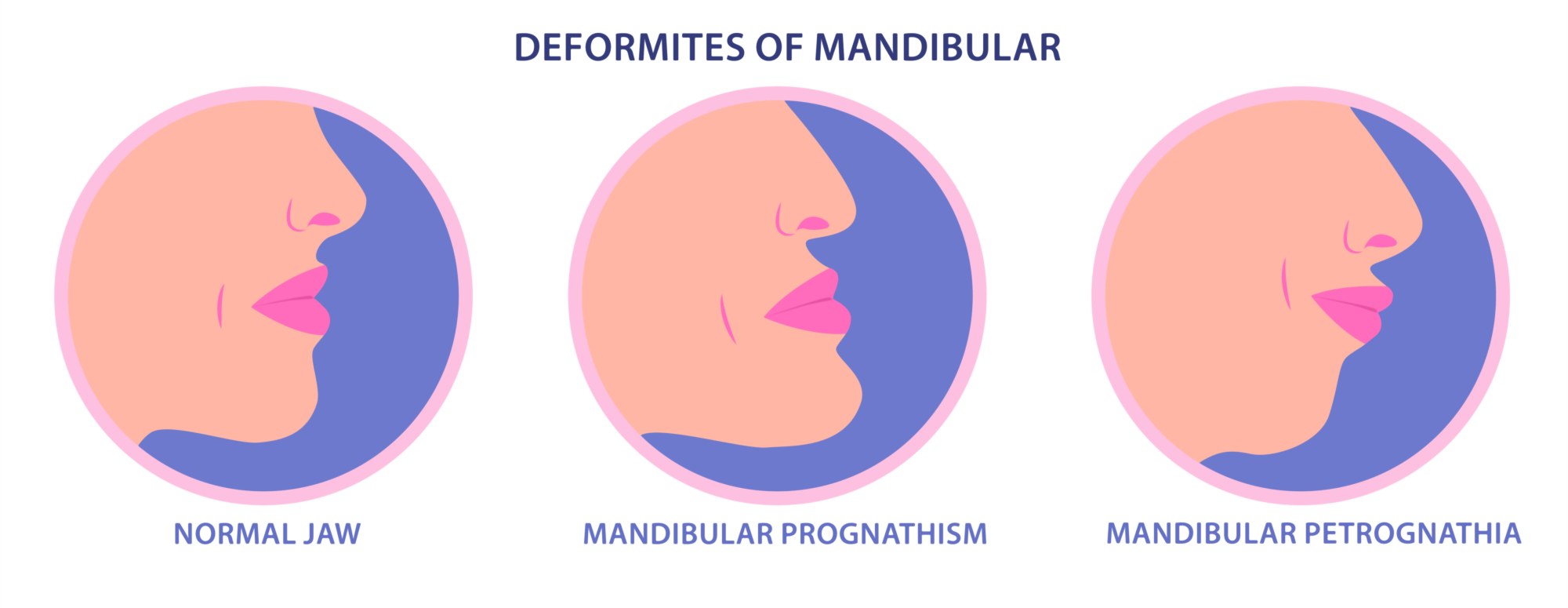
Prognathism is characterized by forward projection within the lower region, often producing a prominent outline and altered contact between dental rows. This forward placement may arise through developmental tendencies, muscular influence, or adaptive responses to early structural conditions. The reshaped relationship between lower and upper components can affect chewing mechanics, speech flow, and visual proportions across central facial areas.
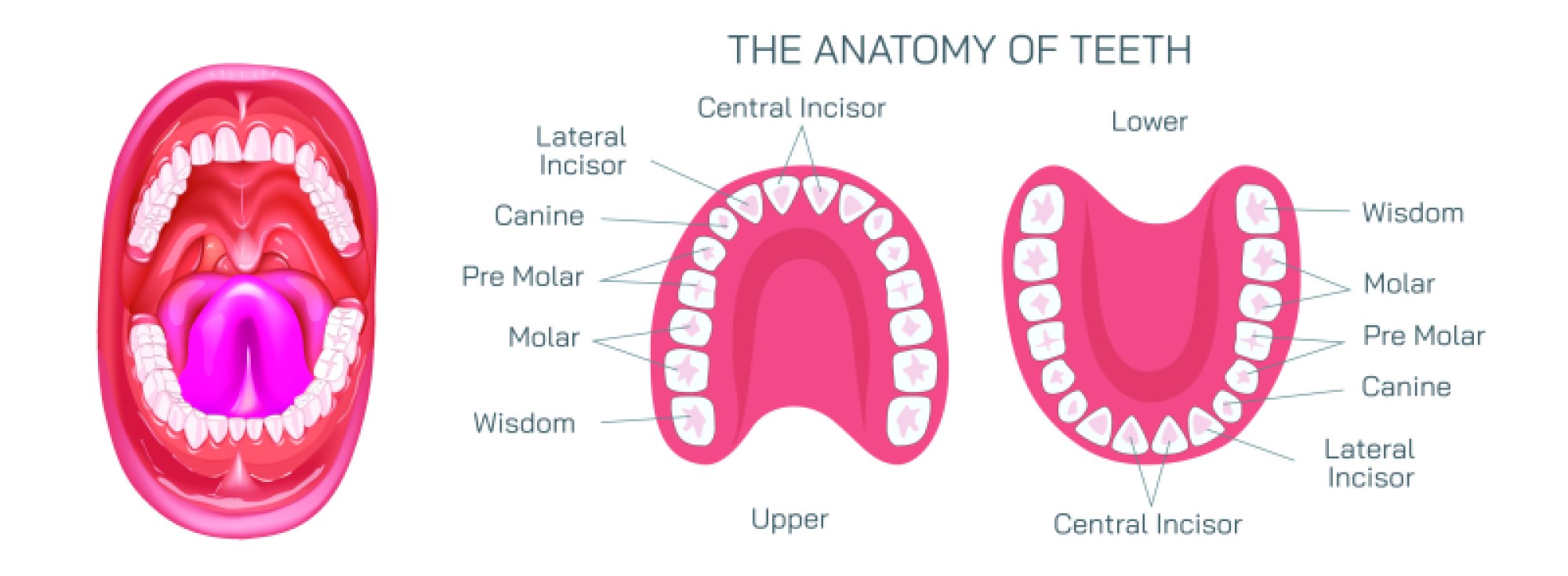
Petrognathia, in contrast, reflects a backward shift in the lower region, creating reduced forward projection and modified spatial relationships within surrounding facial zones. This displaced pattern influences how the lower row of teeth meets the upper row, potentially affecting airway space, stability during chewing, and the balance of supporting tissues. Muscular activity, early growth patterns, and environmental factors can play significant roles in shaping this alignment.
Both of these structural variations interact with soft tissues, joints, and supporting pathways, prompting the body to adjust through compensatory movements. These adjustments may preserve function or, in some cases, increase strain across connected regions. Understanding these deformities provides insight into how growth patterns, alignment changes, and functional pathways collectively define lower facial structure. This knowledge supports better interpretation of developmental patterns and their influence on balance, movement, and long-term structural harmony.