Understanding Branching in Plants and Structural Growth Dynamics
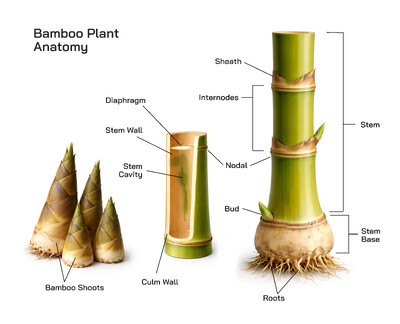
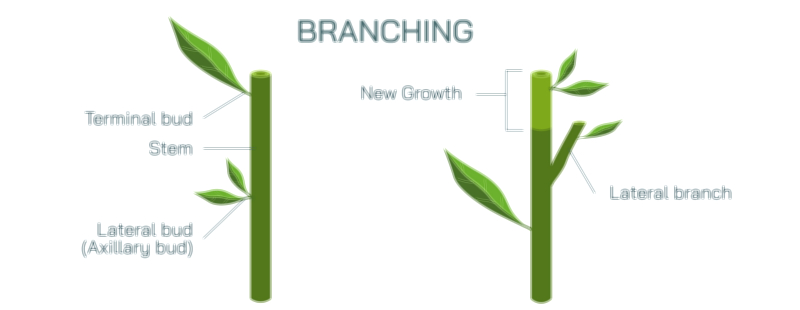
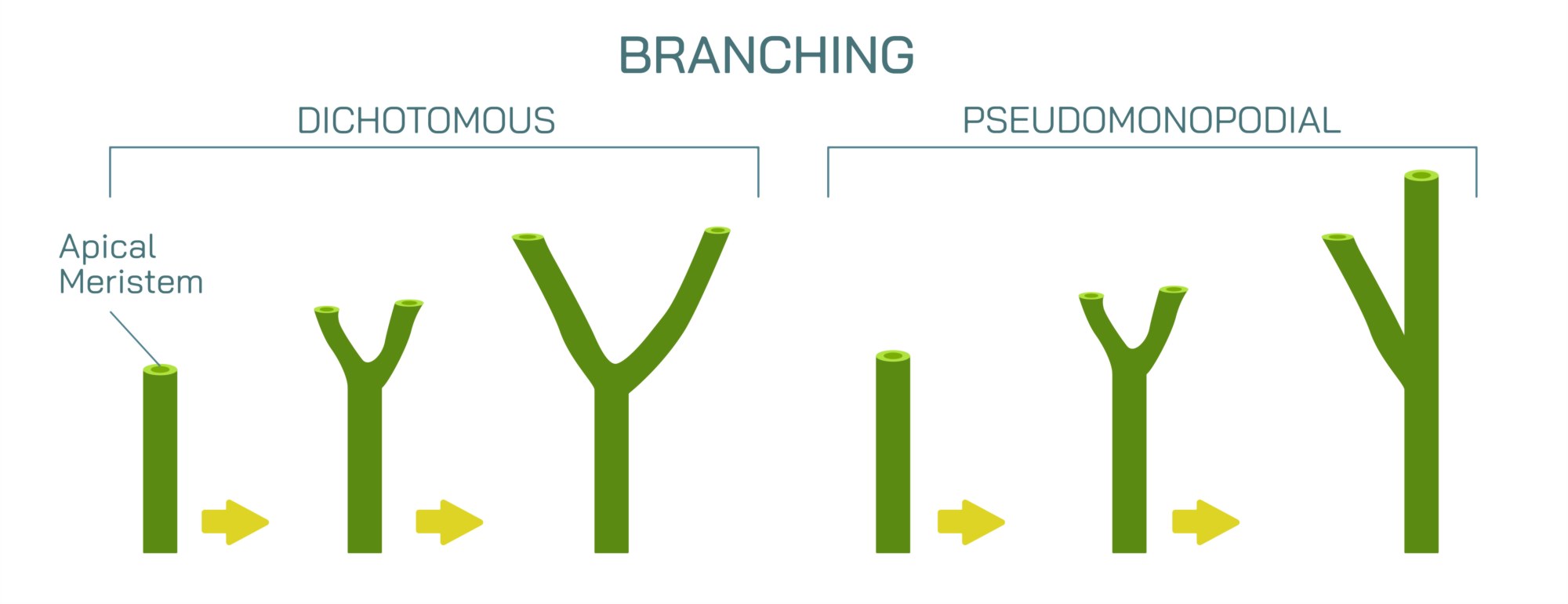
Branching in plants emerges from coordinated activity within buds, nodes, and developing shoots, creating an expanding framework that supports upward and outward growth. At each node, dormant or active buds initiate new extensions, allowing a single axis to divide into multiple directions. These new extensions strengthen the overall architecture while enabling greater exposure to light, air, and essential nutrients.
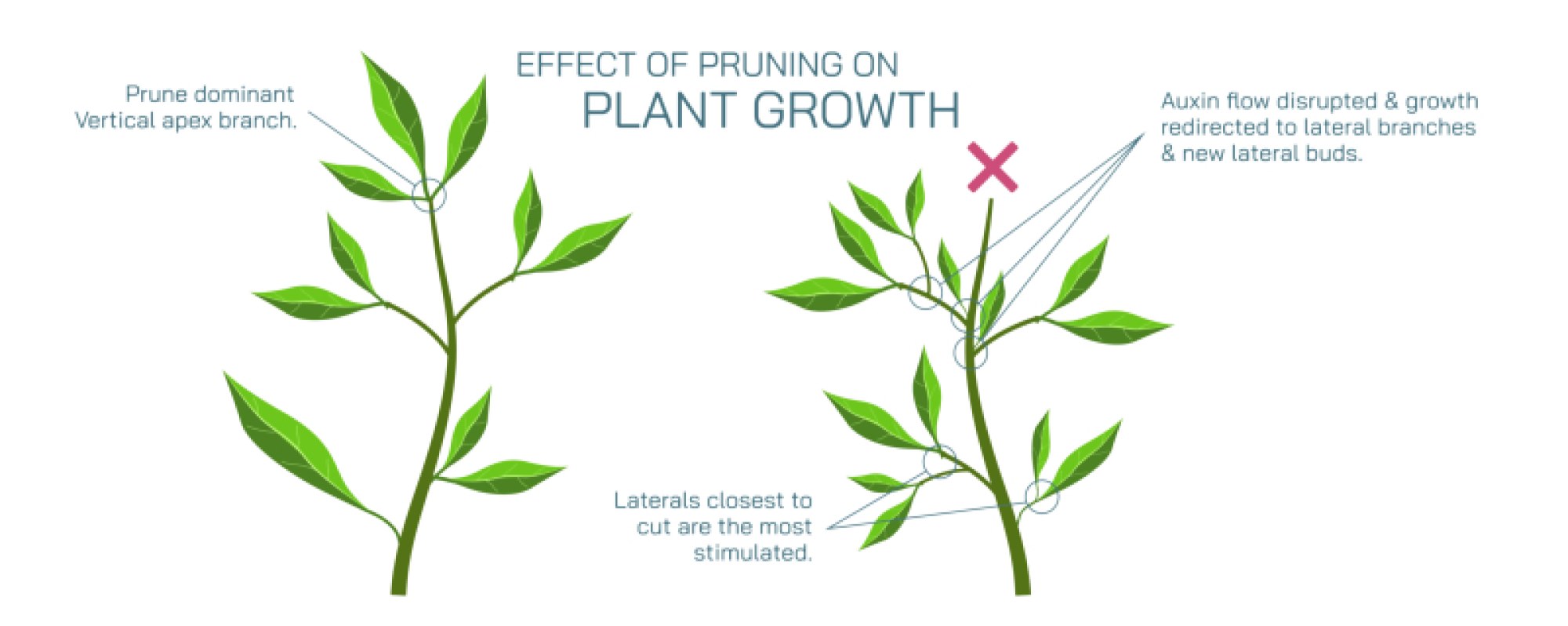
The growth pattern depends on signaling pathways that regulate how often and where each division occurs. Some species direct most growth toward a dominant vertical axis, while others distribute growth evenly among lateral points, resulting in fuller shapes with numerous extensions. Environmental cues such as light intensity, wind, water access, and soil composition further influence the way each extension forms, promoting adaptive responses that help the organism thrive. Through these adjustments, plants create unique outlines shaped by internal programming and external surroundings.
As branching progresses, tissues within the structure transport water upward and carry nutrients throughout the organism. This internal network supports the expanding crown, allowing new leaves to emerge at various points along each extension. Over time, the structure becomes more complex, creating multiple layers that increase surface area for energy capture. These layers help stabilize the organism, allowing it to endure strong weather conditions and resource fluctuations while supporting continuous development.
Studying these patterns provides insight into how flora achieve balance, efficiency, and resilience. From small herbs to large trees, branching represents an essential strategy that shapes form, function, and ecological impact.