Detailed Overview of Environmental Microbial Networks and Their Influence on Life
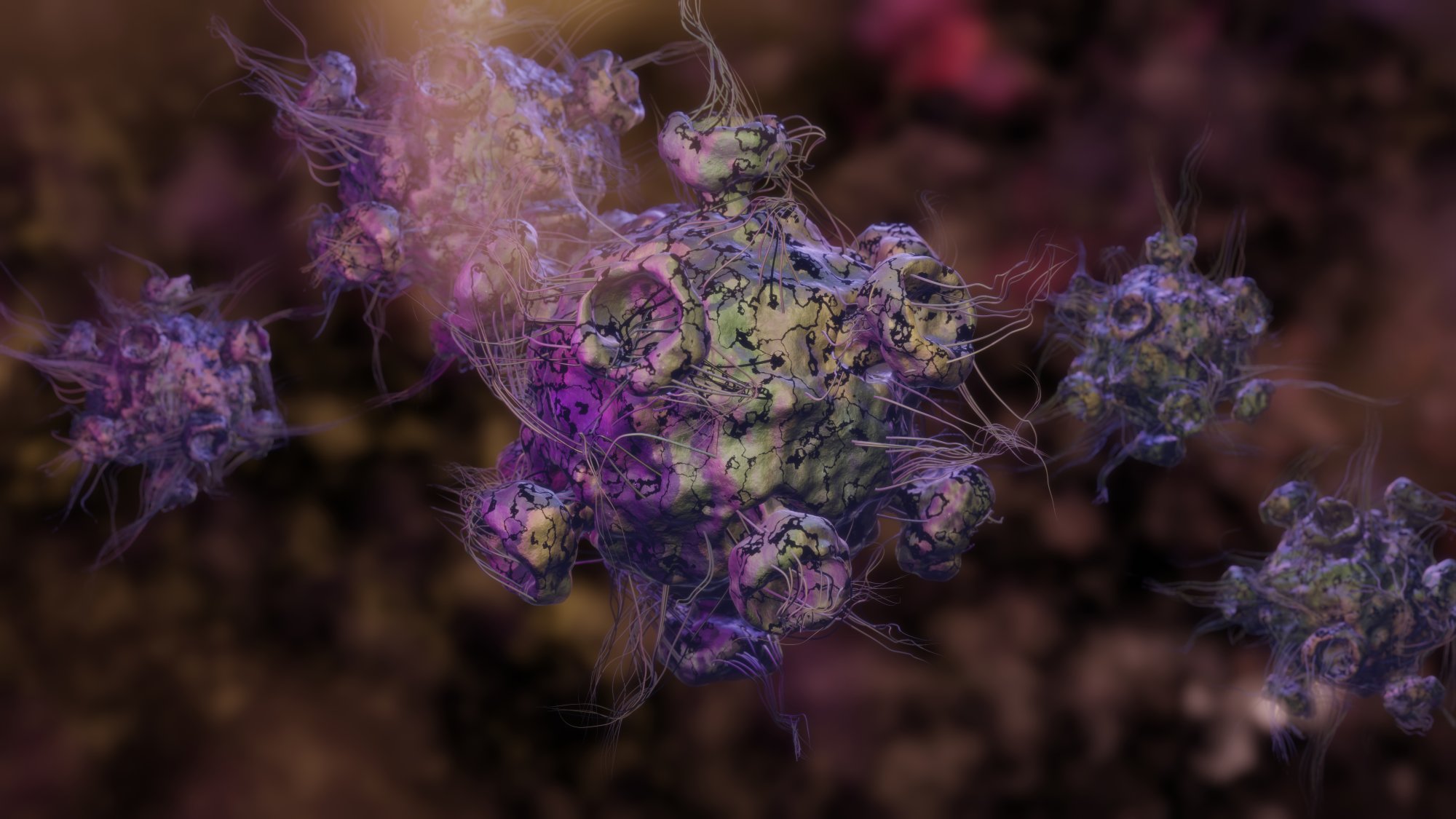
Environmental viruses, flu agents, parasites, and bacteria together create a powerful and expansive microbial network that shapes conditions across nearly every setting on Earth. These organisms move continuously through air, water, soil, plants, animals, and human environments, forming relationships that influence how ecosystems function and how communities maintain wellbeing. Even though they are invisible to the naked eye, their collective activity leaves a significant footprint on natural cycles, health patterns, and the overall balance between organisms and their surroundings.
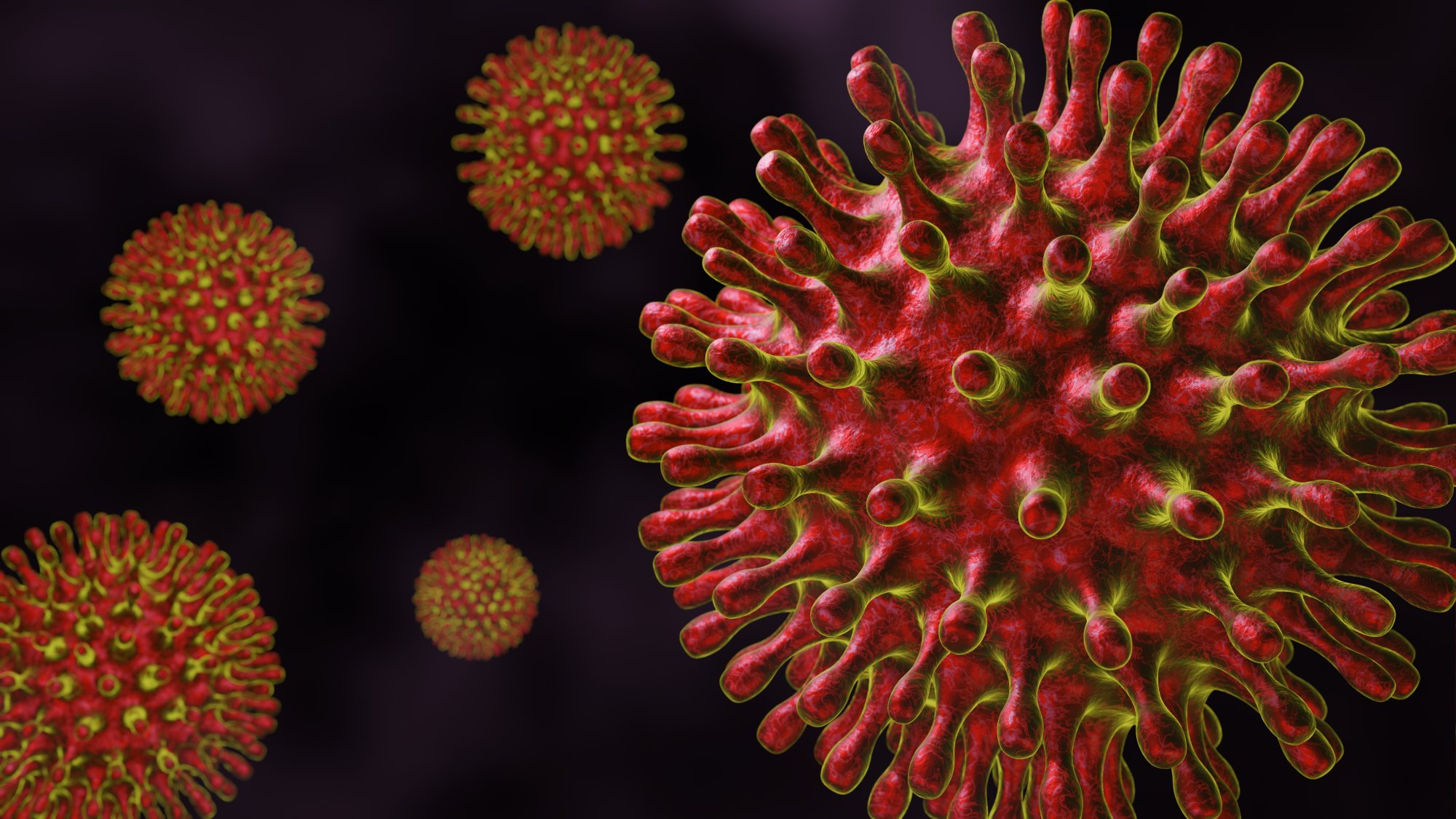
Viruses scattered throughout the environment demonstrate remarkable adaptability. Some exist passively until they encounter a suitable host, while others navigate through droplets, surfaces, or particles carried by wind and water. Flu agents add a seasonal dimension to this microbial landscape, especially during cooler periods when indoor gatherings and shifts in humidity create favourable conditions for survival. During these times, individuals become more aware of symptoms, patterns of spread, and the importance of protective routines. The behavior of these viral forces illustrates how closely environmental factors influence their cycles.
Parasites contribute another layer of depth to this interconnected microbial field. Many rely on complex life stages that involve multiple organisms or natural settings such as water bodies, soil, or vegetation. Their presence often reflects broader environmental conditions, including changes in climate that expand the habitats of insects and other vectors. Once inside a host, parasites may influence energy, digestion, resilience, or long-term vitality. Understanding where these organisms thrive allows communities to adopt cautious yet practical routines that limit exposure without creating unnecessary fear of the natural world.
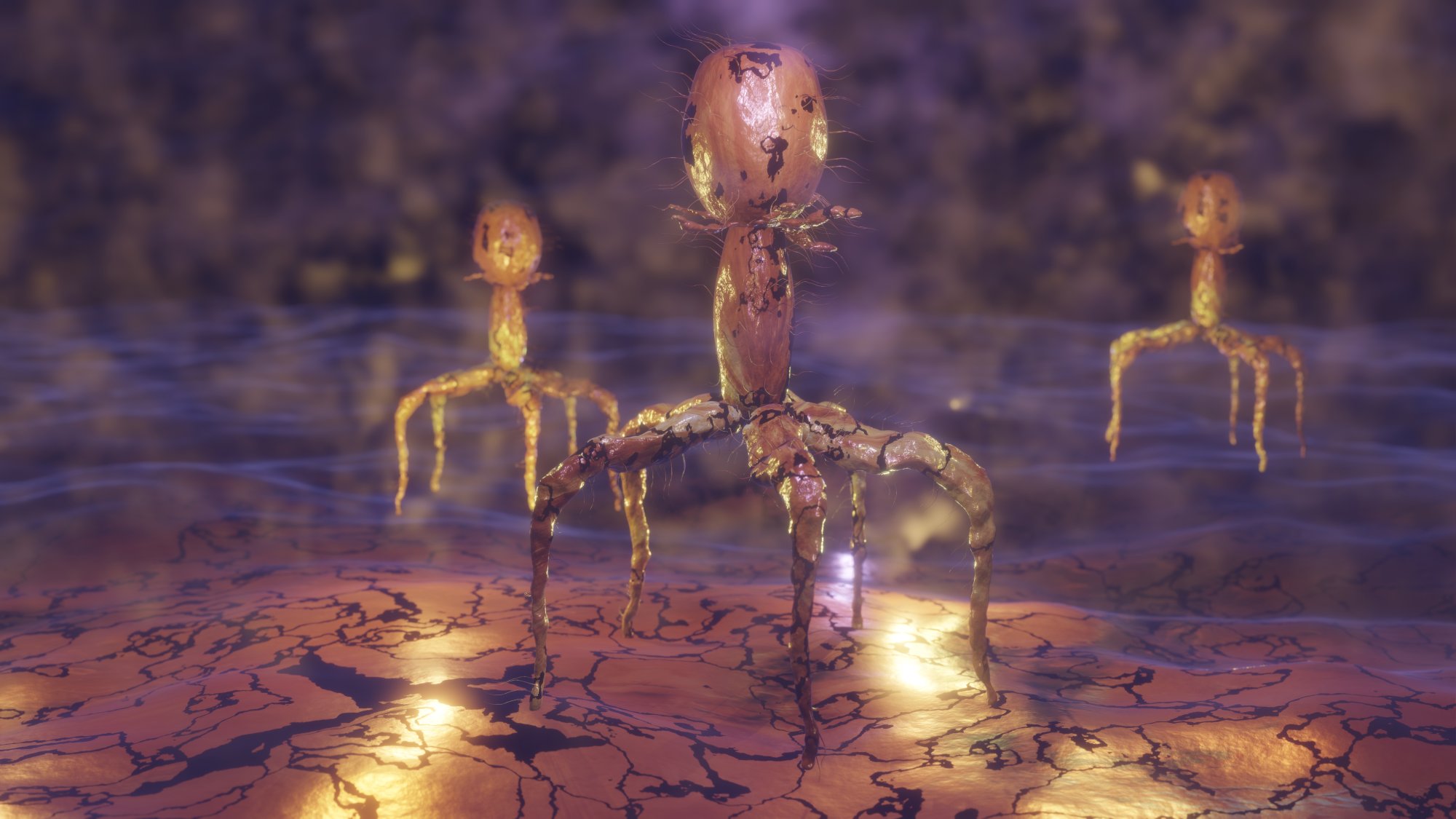
Bacteria, perhaps the most diverse groups within this network, perform countless roles that range from beneficial to harmful. Many species support soil health, nutrient breakdown, and plant growth, making them vital to ecological stability. Others can become concerning when present in unclean settings, poorly handled foods, or contaminated water. Their presence on everyday surfaces emphasizes the importance of small actions such as consistent cleaning routines, responsible storage of perishables, and mindful handling of shared spaces. These actions may appear simple, but they play a significant role in maintaining balance between beneficial and harmful bacterial communities.
Infections arise when any microbial agent successfully interacts with a host in a way that supports its survival. These interactions are influenced by climate, sanitation, movement, lifestyle, and personal wellbeing. Because humans and animals constantly interact with their surroundings, complete avoidance is neither practical nor desirable. The goal is to cultivate habits that reduce harmful encounters while acknowledging the vital ecological roles many microbes play. This mindset transforms prevention from a reactionary act into a natural part of healthy living.
Environmental caution grows meaningful when rooted in understanding. Seasonal changes, shared public areas, surface contact, and travel routines are all pathways through which microbial interactions occur. Recognizing this helps individuals make steady choices such as improving ventilation, keeping living spaces clean, and observing early signs of discomfort. These habits allow people to coexist confidently with microbial forces while creating a supportive environment for themselves and those around them.
Prevention thrives when applied consistently. Safe water use, thoughtful food preparation, attentive sanitation, and awareness of local environmental signals all contribute to a more stable living environment. These practices strengthen personal resilience and help communities lower the impact of microbial shifts. They also encourage mindfulness, allowing people to engage with nature without unnecessary exposure.
Altogether, environmental viruses, flu agents, parasites, and bacteria form a vast biological network that influences nearly every aspect of life. Their interactions shape ecosystems, affect health patterns, and guide the way living beings adapt to their surroundings. By blending awareness, practical habits, and respect for natural systems, individuals and communities can maintain harmony, safety, and long-term wellbeing within a world buzzing with microbial activity.