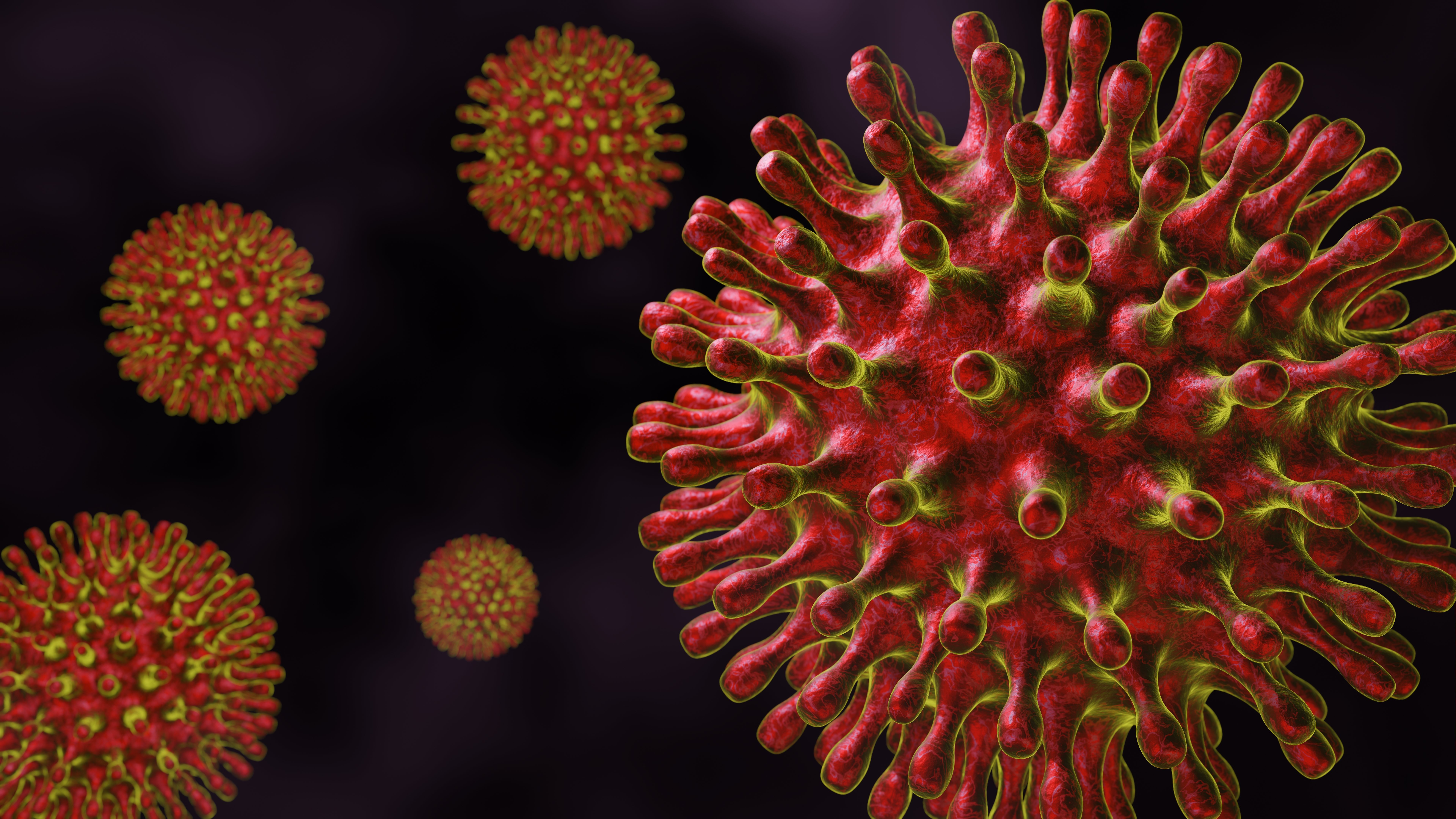
Extensive Overview of Environmental Microbial Forces and Their Influence on Life
Environmental viruses, flu agents, parasites, and bacteria represent one of the most dynamic and far-reaching biological systems on Earth. These microscopic organisms operate across landscapes, climates, and living communities, influencing conditions in ways that humans often observe only indirectly. Whether found in air, soil, water, vegetation, or shared public spaces, these forces continuously interact with host species and ecological processes. Their presence reveals how deeply interconnected life is, demonstrating that even the smallest biological elements can shape patterns experienced by entire populations.
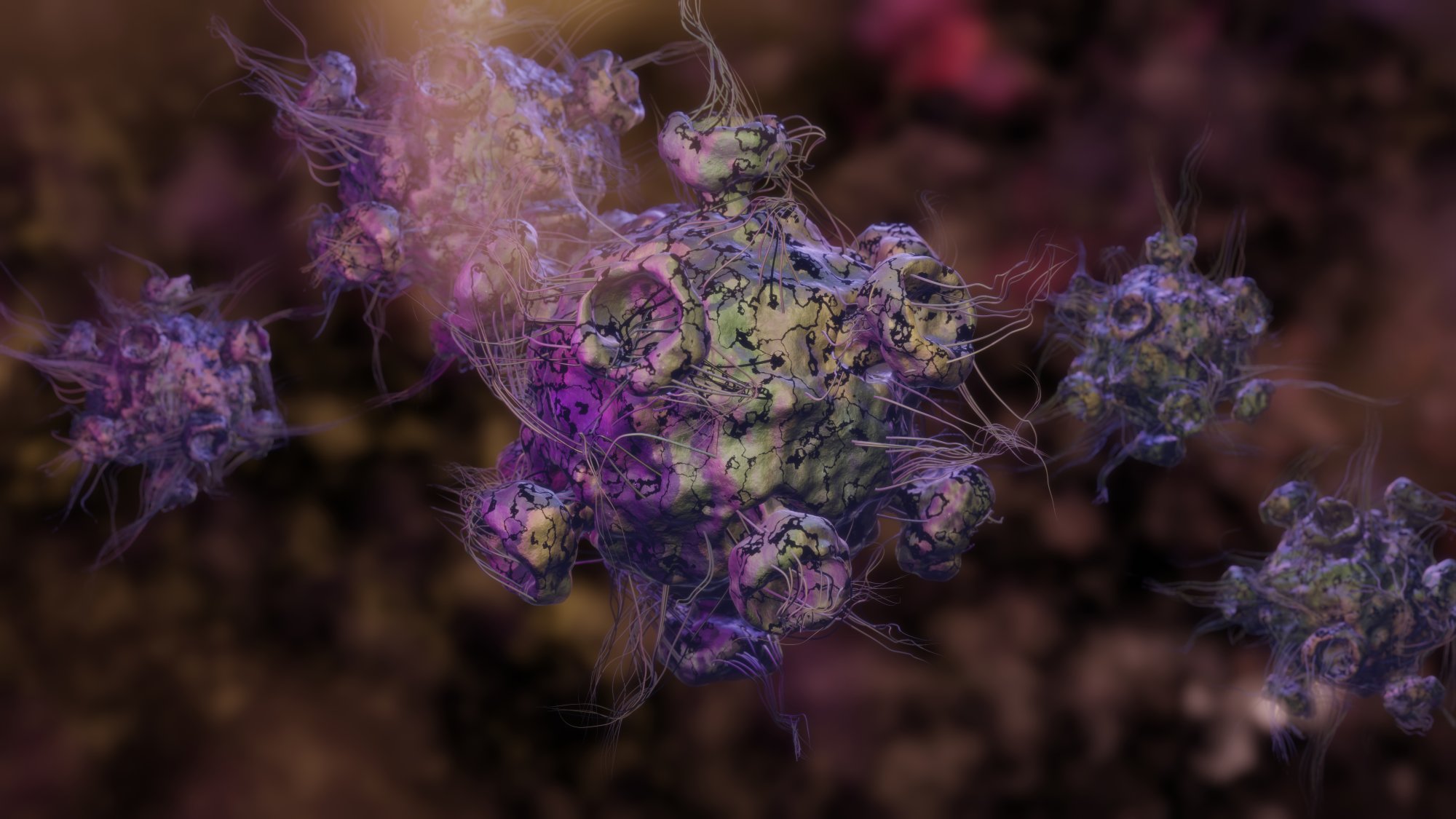
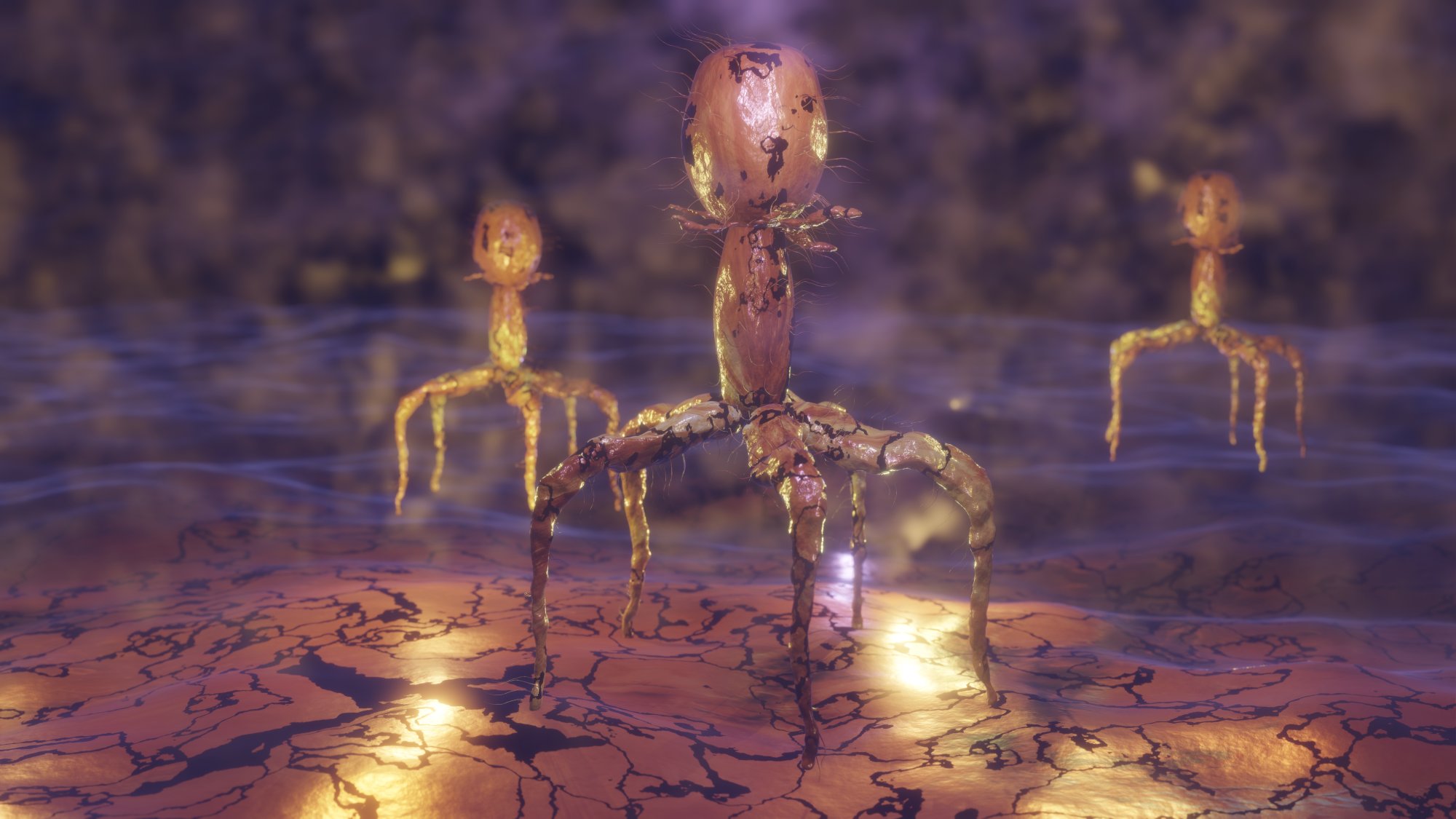
Viruses in the environment function through cycles linked to climate, movement, and host availability. Some remain dormant for long periods, while others adapt rapidly to shifting surroundings. Flu agents, especially those that thrive during seasonal changes, illustrate how closely microbial behavior is tied to temperature, humidity, and crowding. As people gather indoors during cooler periods, flu particles gain easier access to new hosts, establishing temporary but widespread waves of activity. These agents highlight the importance of understanding environmental influences rather than viewing microbial events as isolated occurrences.
Parasites occupy another segment of this expansive microbial field. Many species depend on intricate pathways that involve insects, animals, plants, or water bodies. Their survival often requires specific environmental conditions, making them sensitive indicators of ecological shifts. Certain parasites may flourish when stagnant water increases, when waste management declines, or when climate patterns shift to favor warmer or wetter settings. Once established in a host, they can influence energy, digestion, mobility, or general vitality. The complexity of their life cycles illustrates how environmental factors shape interactions between organisms and their surrounding ecosystems.
Bacteria complete this multifaceted picture with their unparalleled diversity. Some species contribute positively to soil fertility, nutrient cycles, and decomposition, supporting the health of entire ecosystems. Others may become harmful when they enter places where they do not belong, especially when sanitation breaks down or when surfaces remain unclean for extended periods. Food handling, water storage, waste management, and everyday hygiene determine how bacterial communities behave in human environments. Their presence underscores the idea that balance, rather than elimination, is essential to maintaining harmonious living conditions.
Infections arise when microbial forces gain suitable access to a host. The pathway may involve touch, air, water, food, or environmental surfaces. These processes reveal how everyday surroundings shape exposure. Clean living spaces, safe food routines, ventilation, and mindful contact reduce the chances of harmful interactions. Because microbial activity will always remain part of the natural world, the goal is not to remove these organisms entirely but to maintain a lifestyle that respects the presence of beneficial microbes while limiting risk from harmful ones.
Caution becomes meaningful when grounded in understanding rather than fear. Awareness of seasonal patterns, clean surfaces, proper waste handling, and careful travel routines all contribute to a well-rounded protective approach. Small habits—washing hands consistently, storing food safely, keeping shared environments tidy, and observing early signs of illness—make significant differences in long-term wellbeing. Communities benefit greatly when these actions become collective practices supported by shared responsibility.
Prevention is most effective when linked to environmental awareness. Recognizing shifts in weather, water quality, and local microbial activity helps individuals prepare for periods when microbial forces become more active. Simple adjustments such as improving airflow, cleaning frequently touched surfaces, or practicing mindful outdoor behavior support a stable living environment. These routines nurture resilience and allow people to maintain connection with nature without unnecessary exposure.
Environmental viruses, flu agents, parasites, and bacteria together form a vast network of biological activity that touches every aspect of life. Their interactions shape ecosystems, influence health, and remind humanity of the delicate balance between microscopic forces and everyday living. With informed awareness, practical prevention, and respect for natural systems, people can coexist with these organisms while maintaining safety, stability, and long-term wellbeing.