A Complete Overview of Varicose Veins and Their Effect on Leg Circulation
Varicose veins develop when the vessel walls in the legs lose strength and elasticity, causing them to expand, twist, and become visibly raised beneath the skin. These changes reflect deeper alterations in circulation, especially in regions where the body relies on upward movement of blood against gravity. Legs carry a large share of daily pressure because they support body weight, absorb motion stress, and maintain long hours of standing or walking. When the supporting structures of the veins struggle to handle this load, the flow becomes disrupted, leading to visible changes along the surface.
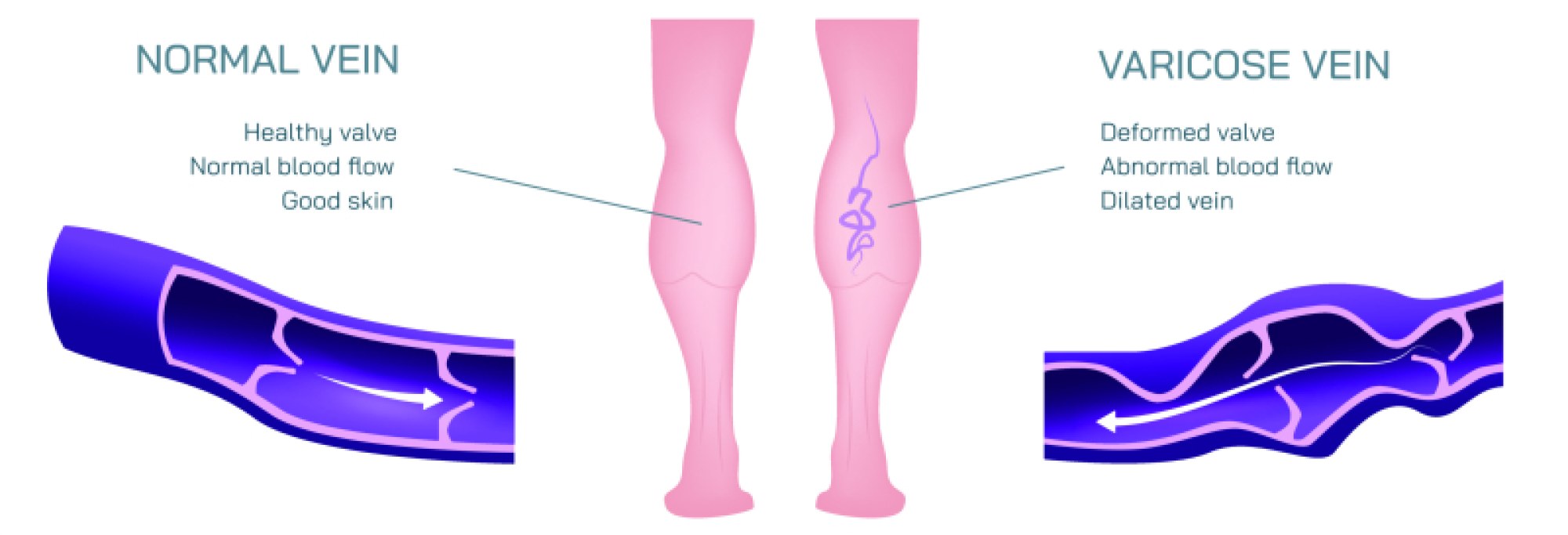
Inside each leg vessel, special valves help keep blood moving upward. These valves open and close carefully to prevent downward flow. When these structures weaken, blood begins to settle in certain sections, producing pooled regions that gradually enlarge. Over time, these pools stretch the surrounding vessel walls, creating bulges. These bulges create the familiar twisted and raised appearance associated with varicose veins. The degree of change varies among individuals, shaped by lifestyle patterns, family traits, posture habits, and overall leg health.
In many individuals, the earliest signs include mild pressure or a heavy sensation toward the end of the day. These sensations appear because circulation becomes slower when muscles tire or support tissues weaken. Later changes may involve swelling, mild pain, or a sense of heat in the affected area. As these signs progress, the veins begin to appear through the skin. The color may shift from faint lines to deep shades, depending on how much blood collects and how close the vessel sits to the surface. With time, these visible features create the classic twisted pattern often linked to the condition.
Standing for long periods increases strain on the lower limbs. Gravity plays a major role, as blood must travel upward through narrow pathways. When individuals remain stationary, muscle pumping activity decreases, making it more difficult for veins to maintain motion. Similarly, sitting for long hours, especially with bent knees, reduces smooth circulation. Daily habits and workplace routines therefore influence how often and how intensely these symptoms appear.
Some individuals experience cosmetic concerns first. They notice changes in the pattern of surface veins, sometimes accompanied by a sense of tightness. For others, discomfort becomes the initial signal. Tired legs, mild cramping, or an ongoing feeling of fullness indicate that flow is slowing down. As more blood collects, the surrounding tissues experience increased pressure, which contributes to fatigue and swelling.
Although the visible form of varicose veins often draws the most attention, the deeper issue lies within the valve function and vessel strength. When valves fail to close properly, even small sections can create large effects over time. The surrounding tissues must adjust to the extra volume, often resulting in changes in skin appearance, texture, and comfort. These changes also highlight the importance of maintaining strong leg muscles, healthy movement routines, and balanced activity levels.
Many individuals find relief through simple physical actions. Regular walking encourages better pumping motion, helping push blood upward. Stretching the calves, shifting posture, and elevating the legs for short periods can also support healthier flow. Support garments provide external pressure, aiding the vessel walls in maintaining shape. These approaches do not restore weakened valves but help reduce pooling, ease discomfort, and minimize visible swelling.
Awareness of early signs helps prevent unnecessary strain. Recognizing pressure, mild bulging, or new vein outlines early allows individuals to take timely steps that ease the load on the legs. For those who experience persistent discomfort, professional guidance can offer structured plans to manage circulation. Specialists examine the flow pattern and condition of the valves, giving insight into the level of strain each region experiences.
Varicose veins reflect an ongoing interaction between pressure, structural strength, and circulation quality. Understanding these elements provides clarity on why the veins change shape and how daily habits influence their condition. By learning about the underlying forces, individuals can take steps to maintain smoother leg function, reduce discomfort, and preserve overall limb well-being.