Understanding Stock Market Premium and Discount Zones for Effective Trading
In trading, understanding premium and discount zones is a powerful way to navigate market trends and optimize trading entries and exits. A premium zone represents a price level where the asset is considered overvalued compared to its perceived fair value. In contrast, a discount zone is a price level where the asset appears undervalued, offering potential buying opportunities. Recognizing these zones helps traders align their positions with the market’s natural flow, capturing value while avoiding unnecessary risks.
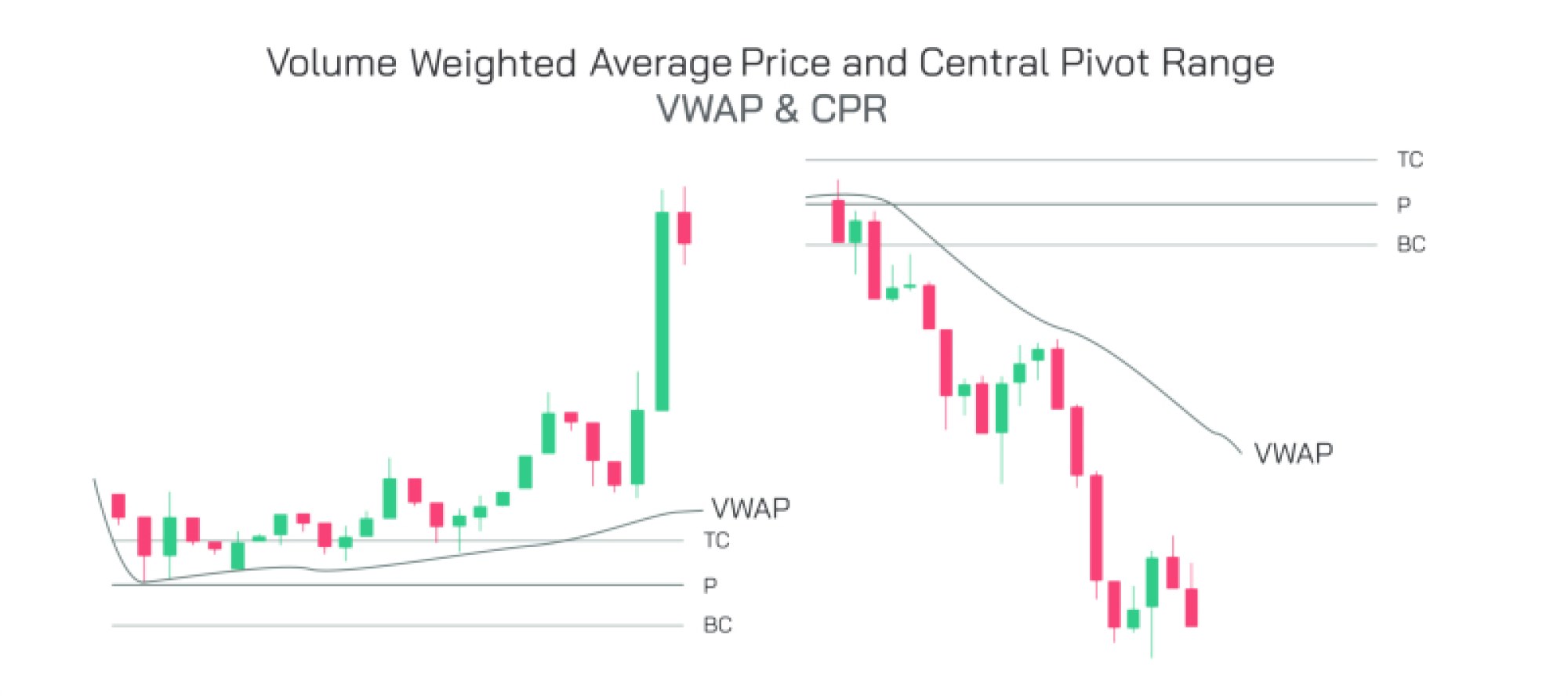
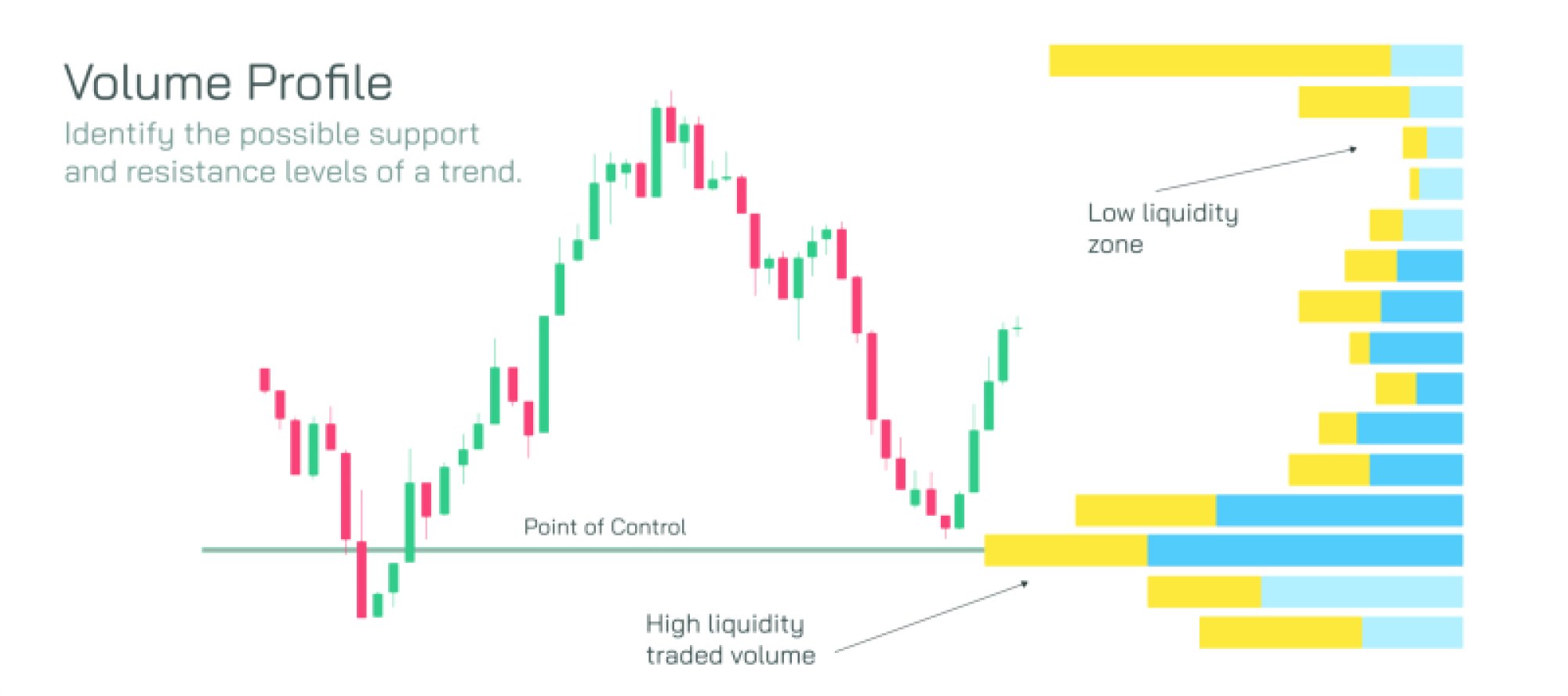
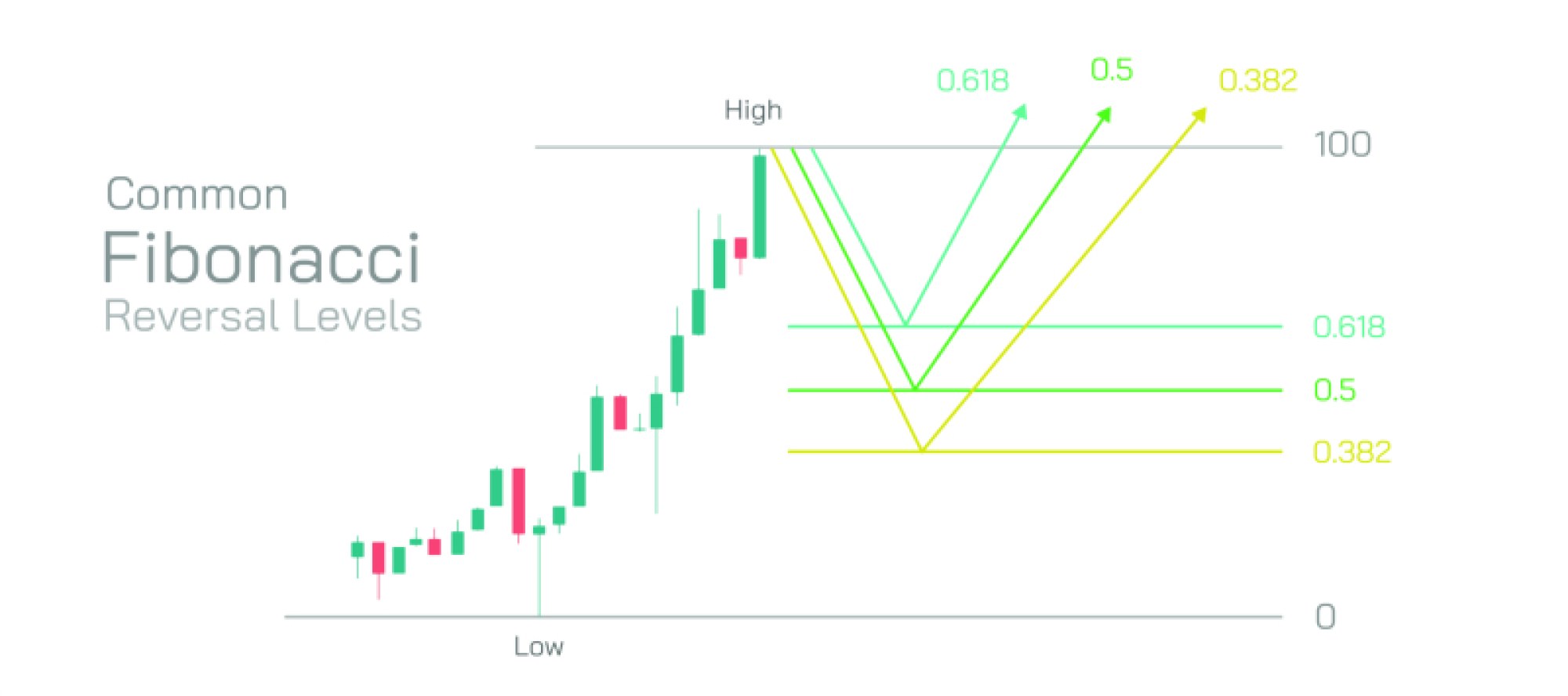
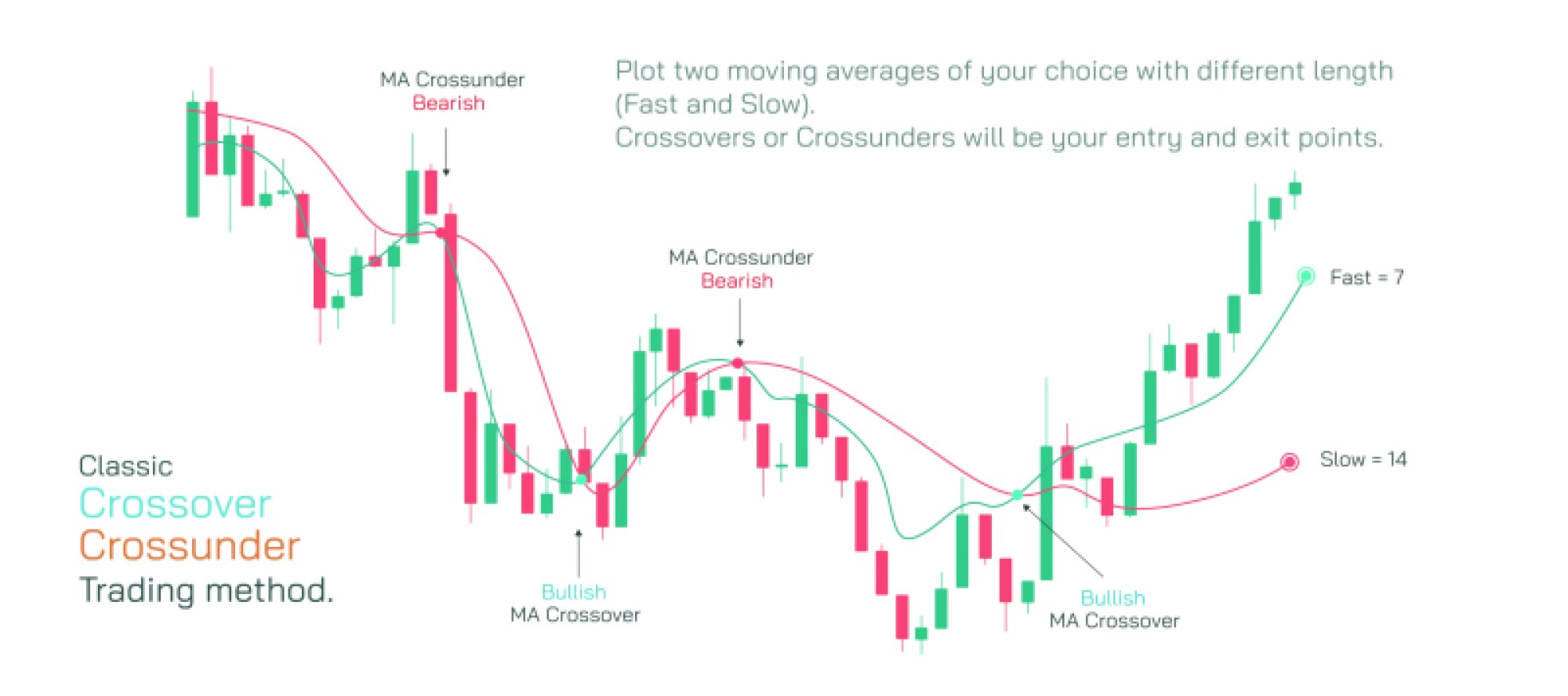
Premium and discount zones are often determined using a combination of technical analysis tools such as moving averages, Fibonacci retracement levels, volume profiles, and recent market highs and lows. When prices approach a premium zone, sellers often dominate, creating resistance and increasing the probability of a price pullback or trend reversal. Conversely, discount zones tend to attract buyers, forming support levels that can trigger price rebounds or trend continuation.
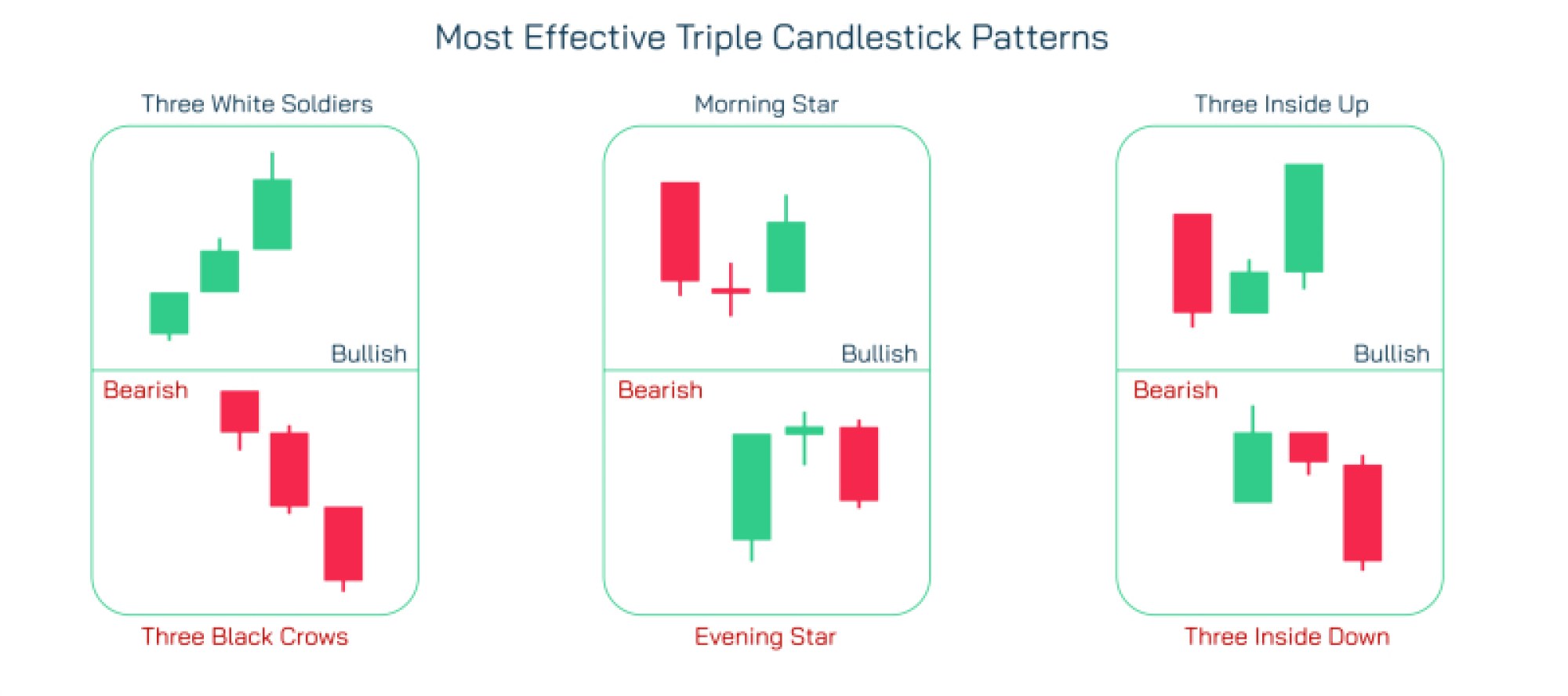
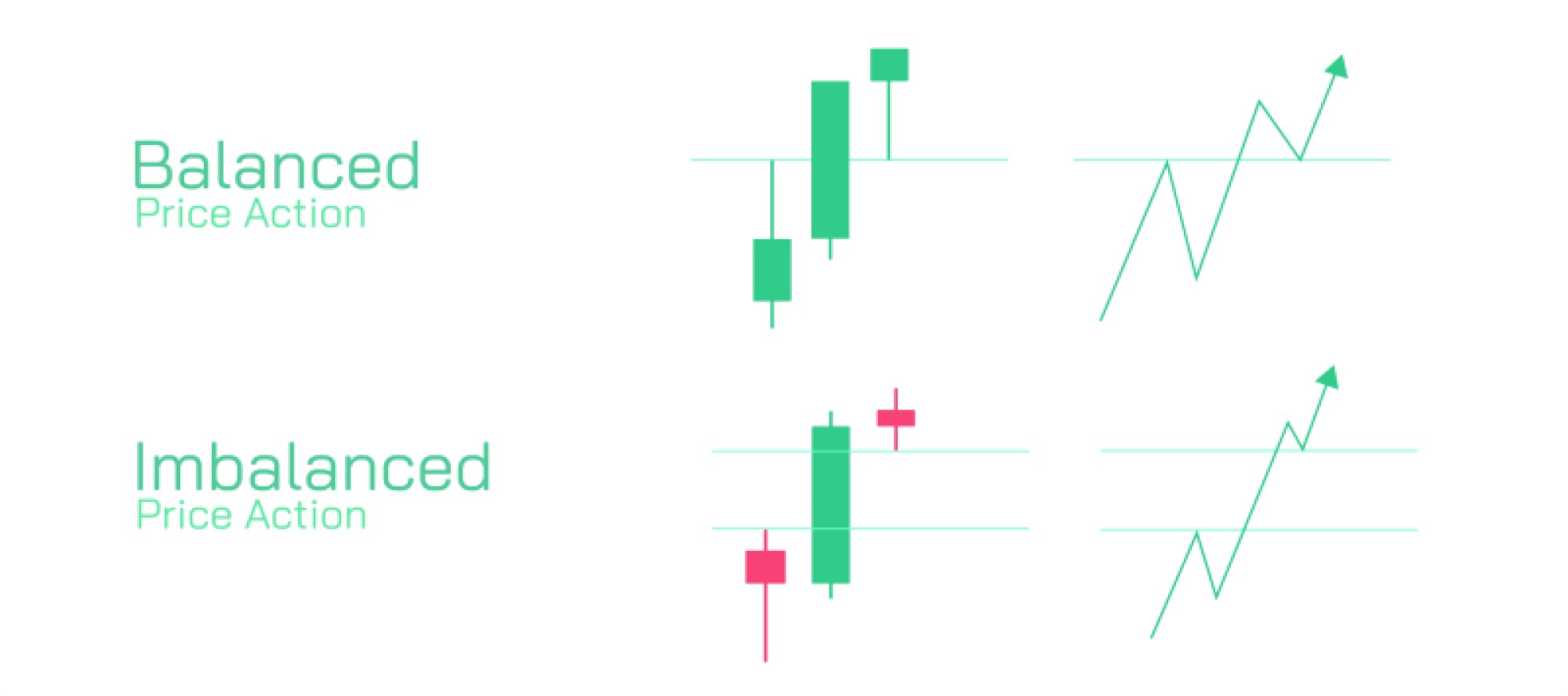
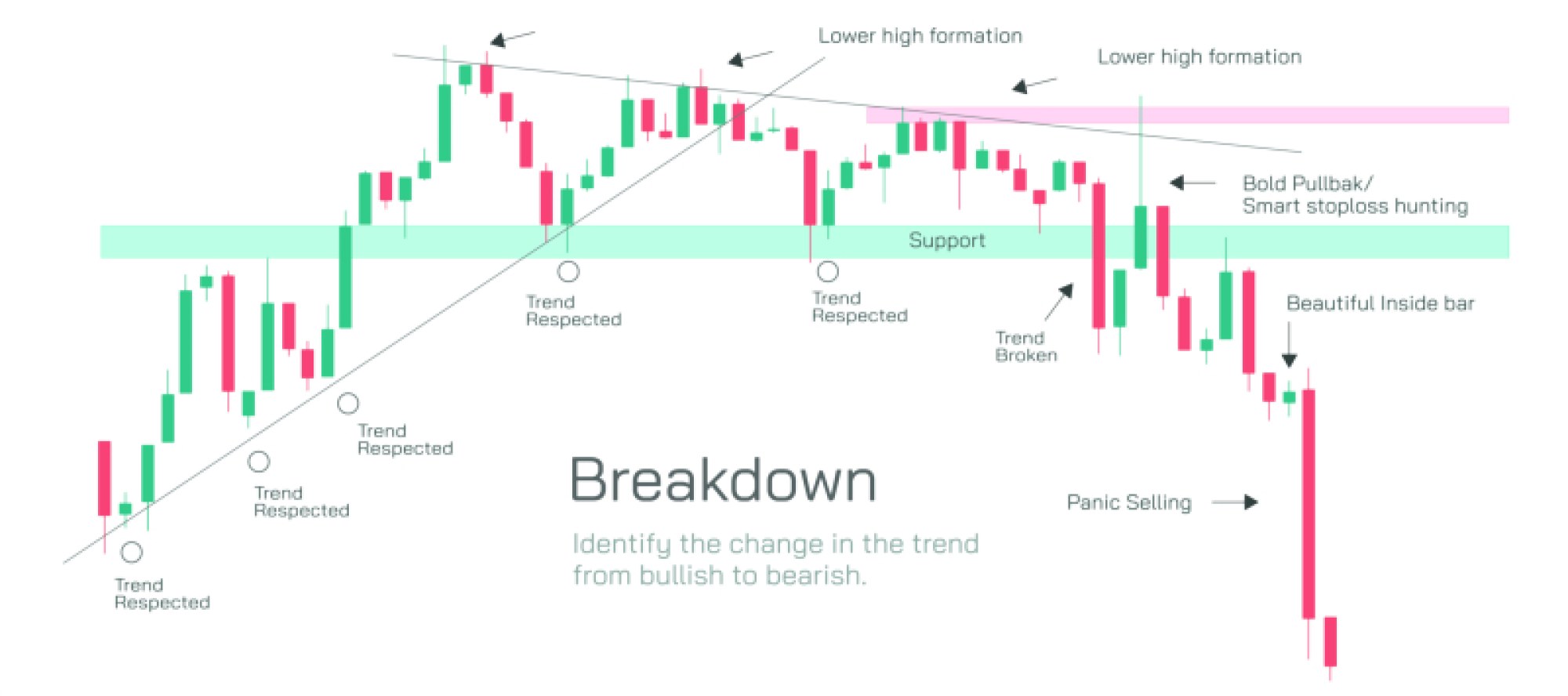
These zones are also closely related to market structure and sentiment. During strong uptrends, prices may briefly enter discount zones during pullbacks, providing strategic entry points for traders seeking trend continuation. In downtrends, premium zones often act as temporary resistance levels where short sellers can target profitable exits. By combining premium and discount zone analysis with other indicators such as candlestick patterns, volume analysis, and fair value gaps (FVG), traders can create high-probability setups for intraday, swing, or long-term trading.
Understanding premium and discount zones also enhances risk management and trade planning. Traders can define stop-loss levels just beyond these zones, ensuring that trades remain aligned with market dynamics while minimizing potential losses. These zones provide a framework for market timing, helping traders identify points of optimal value rather than reacting to random price movements.
In conclusion, mastering the concept of premium and discount zones empowers traders to make informed decisions based on market valuation, price behavior, and liquidity dynamics. Recognizing where an asset is overvalued or undervalued provides a systematic approach to capturing profitable opportunities, managing risk effectively, and improving overall trading performance.