Backbone Compression Fracture: Causes, Symptoms, and Vertebral Impact Explained
A backbone compression fracture is a structural collapse of one or more vertebrae in the spine, most often caused by excessive vertical force, weakened bone strength, or traumatic injury. The vertebrae — the strong, block-like bones that stack to form the spine — normally support body weight, protect the spinal cord, and absorb forces generated during movement. When the mechanical load on a vertebra exceeds its structural capacity, the bone compresses, loses height, and can deform into a wedge-like shape. This collapse alters the alignment of the spine and places stress on surrounding tissues, nerves, and joints. Although compression fractures can occur anywhere along the spinal column, they are most common in the thoracic and upper lumbar regions, where mechanical stress and bone density changes often converge. These injuries range from mild, stable fractures that cause localized pain to severe collapses that threaten spinal stability and neural function. Understanding their causes, symptoms, and impact requires examining the intersection between bone biology, biomechanics, and the nervous system.
The causes of compression fractures fall into three primary categories: osteoporosis-related fragility, traumatic injury, and pathological weakening from disease. Osteoporosis — the most common cause — reduces bone density and strength by disrupting the balance between bone breakdown and formation. As a result, even routine actions such as bending forward, lifting objects, coughing violently, or slipping can generate enough force to compress a weakened vertebra. These fractures are especially common in older adults and postmenopausal women due to hormonal changes that accelerate bone loss. Traumatic compression fractures occur when a healthy vertebra is exposed to extreme force, such as during a car accident, fall from a height, sports injury, or high-impact collision. In these cases, the bone collapses because the force exceeds the tolerance of even normal, strong bone. A third cause involves pathological compression fractures, which arise when cancer, infection, or genetic bone disorders weaken vertebrae from within. Tumors, for example, can erode bone tissue and make vertebrae susceptible to collapse even under ordinary body weight. Each of these origins reflects a different mechanism of structural failure, but all lead to the same physical consequence — vertebral compression.
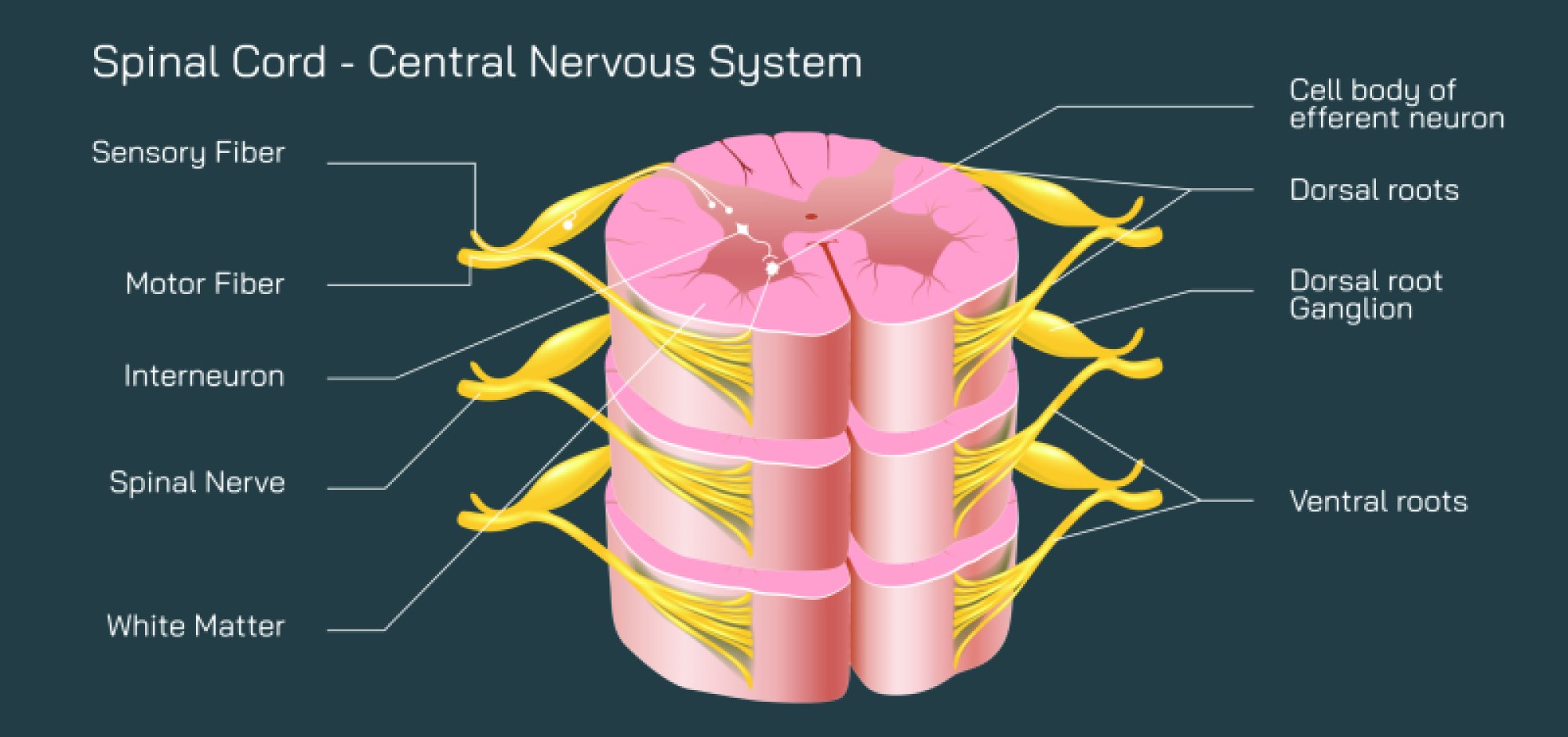
Compression fractures generate symptoms largely through mechanical instability and tissue irritation. The most common symptom is sudden, localized back pain that worsens with standing, walking, bending, or lifting and improves with rest. In osteoporosis-related injuries, pain may develop gradually rather than following a clear traumatic event. Muscle spasms often accompany the pain because surrounding muscles tighten to stabilize the injured region. When multiple fractures occur, the cumulative collapse of vertebrae can shorten spinal length and alter posture, producing the forward stooping known as kyphosis. This structural change shifts weight distribution, increases fatigue, and may impair balance. In more severe cases — particularly when fragments of the fractured bone protrude into the spinal canal — the fracture can irritate or compress spinal nerves or the spinal cord itself. This can produce neurological symptoms such as radiating pain, numbness, tingling, weakness, or difficulty walking. Although most compression fractures do not damage neural tissues, the risk increases when fracture height loss is significant or spinal alignment becomes unstable.
The impact of a compression fracture on a vertebra depends on the degree and pattern of collapse. A mild compression fracture may involve only slight height reduction in the front portion of the bone, creating a subtle wedge shape without major change in spinal curvature. These fractures, though painful, usually heal with conservative management such as rest, bracing, physical therapy, and pain control. More pronounced fractures reduce vertebral height significantly and shift the spine’s center of gravity forward. This imbalance places continuous stress on adjacent vertebrae and intervertebral discs, increasing the risk of additional fractures. In cases of burst fractures, a more severe variant, the vertebral body collapses outward in multiple directions, and bone fragments may enter the spinal canal. Burst fractures blur the line between compression and high-energy trauma, and they require urgent evaluation because they pose a higher likelihood of spinal cord or nerve root compression.
The progression from a single compression fracture to long-term spinal changes reflects how intimately bone health, posture, and neural function are linked. Repeated fractures can shorten the torso, reduce lung capacity, and strain abdominal organs due to loss of spinal height and forward curvature. Chronic pain may develop as surrounding muscles fatigue while attempting to support the altered posture. Because osteoporosis-related fractures often occur silently, the first recognized fracture is a critical warning sign of compromised bone strength throughout the spine. Preventive strategies focus on maintaining bone health through diet, vitamin D and calcium balance, weight-bearing exercise, smoking cessation, and targeted medications that slow bone loss or stimulate bone formation. In traumatic and pathological fractures, treatment targets underlying causes in addition to stabilization of the spine.
The emotional and physical toll of compression fractures should not be underestimated. Individuals often report anxiety about movement due to fear of reinjury, reduced independence due to pain or limited mobility, and frustration with postural changes. Yet the spine also demonstrates remarkable healing capacity when managed appropriately. Most stable compression fractures improve over weeks to months, and vertebrae gradually reinforce themselves through natural bone remodeling. For persistent pain or instability, medical interventions such as vertebroplasty or kyphoplasty — which use bone cement to restore strength and vertebral height — can provide symptom relief. Severe instability or neural involvement may require surgical stabilization with rods, screws, or fusion.
Ultimately, a backbone compression fracture reflects the balance — and sometimes imbalance — between skeletal strength and applied physical force. The vertebrae are engineered to bear weight, dampen shock, and protect the spinal cord, yet age-related fragility, disease, or trauma can undermine their resilience. The resulting collapse reshapes not only the bone but also posture, mobility, and quality of life. By understanding the causes, warning signs, and spinal consequences of compression fractures, individuals and clinicians can intervene earlier to preserve vertebral integrity, prevent further injury, and maintain the spinal structure that supports both movement and neural function throughout life.