Pollination: Process and Types of Pollen Transfer in Flowering Plants Explained
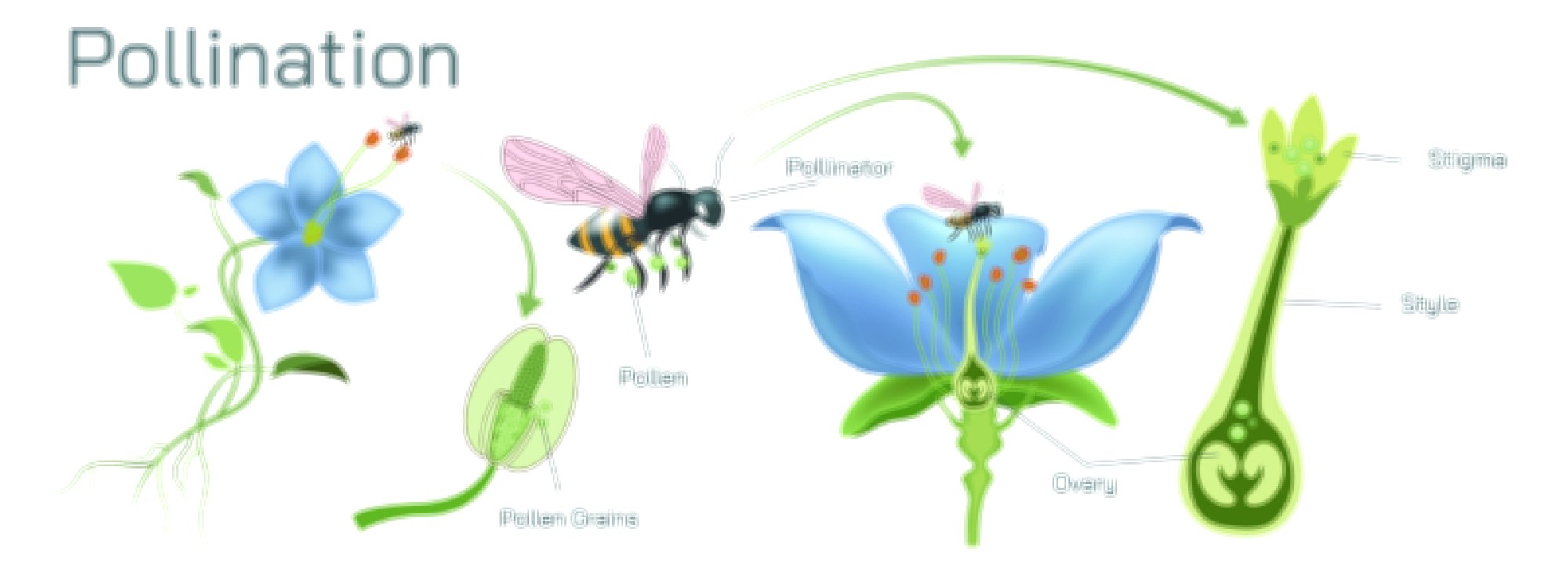
Pollination is the essential biological pathway that enables flowering plants to reproduce, ensuring the continuation of species and the formation of seeds and fruits across nearly every terrestrial ecosystem. At its core, pollination refers to the transfer of pollen grains from the anther, the male reproductive structure of a flower, to the stigma, the receptive surface of the female reproductive structure. This transfer allows male gametes to eventually meet female ovules through a process that takes place deep within the tissues of the flower. Although the transfer itself may appear simple from the outside, it represents a highly coordinated exchange between plant structures, pollinating agents, and environmental forces. Without pollination, the flowers of most plants would remain sterile, and food chains depending on seeds and fruits would collapse. Understanding pollination means recognizing not only the mechanical movement of pollen but also the evolutionary strategies plants have adopted to ensure successful fertilization in diverse habitats.
The pollination process begins when a flower’s anthers mature and release pollen. These tiny grains carry the male gametophyte, encapsulated within a tough protective coating that enables them to survive while traveling to a female stigma. The stigma, once ready to receive pollen, becomes sticky or feathery depending on the pollination strategy of the plant, ensuring that pollen adheres effectively upon arrival. When a pollen grain lands on a compatible stigma, it hydrates and germinates, forming a pollen tube that grows down the style toward the ovary. Through this tube, sperm cells travel to reach an ovule nestled inside the ovary. Fertilization occurs once a sperm cell unites with the egg cell inside the ovule, eventually giving rise to a seed. Surrounding tissues may develop into a fruit, aiding in seed dispersal. Every stage of this process—pollen release, transfer, stigma reception, pollen tube growth, and fertilization—depends on precise timing, because the reproductive parts of flowers remain fertile only for specific periods.
Pollination can be categorized broadly into self-pollination and cross-pollination, each representing a different reproductive strategy. In self-pollination, pollen from a flower lands on the stigma of the same flower or another flower on the same plant. This pathway guarantees reproduction even when pollinators are scarce, making it advantageous for isolated plants or species growing in harsh conditions. However, because self-pollination does not mix genetic material between different individuals, it limits genetic diversity and may reduce adaptability over generations. In contrast, cross-pollination involves the transfer of pollen between flowers of different plants of the same species. Cross-pollination increases genetic variation by combining traits from two parents, enhancing disease resistance, adaptability, and evolutionary potential. Most flowering plants rely on cross-pollination because the benefits to long-term survival outweigh the risk of depending on external pollination agents. Plants have evolved numerous mechanisms to promote cross-pollination, including physical separation of male and female structures, differing maturation times for anthers and stigmas, and floral traits that attract pollinating agents.
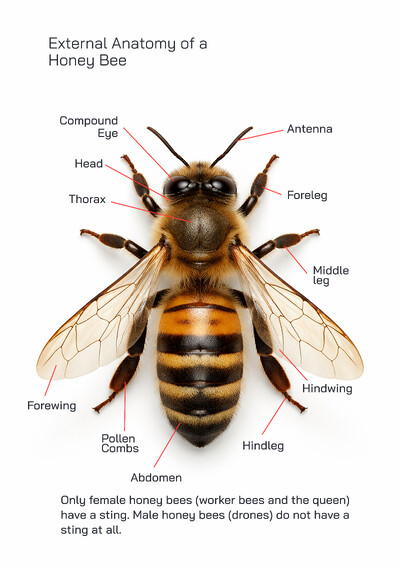
The types of pollen transfer involved in cross-pollination are remarkably diverse and reflect the deep relationships between flowers and their environments. Biotic pollination, in which living organisms carry pollen between flowers, is one of the most widely known forms. Insects—especially bees, butterflies, moths, and beetles—serve as the dominant group of biotic pollinators, though birds, bats, and even small mammals play major roles in certain ecosystems. Animal-pollinated flowers often exhibit bright colors, alluring scents, nectar rewards, and structural guides that direct pollinators toward the reproductive surfaces. As insects or animals land on flowers in search of food, shelter, or mating signals, their bodies brush against anthers and pick up pollen, which is later deposited onto stigmas of other flowers they visit. This mutualistic association benefits both sides: pollinators gain nourishment, and plants gain an efficient and targeted pollen distribution system that minimizes waste.
In contrast, abiotic pollination does not rely on animals but rather on natural forces such as wind and water. Wind-pollinated plants, such as grasses, grains, pines, and many deciduous trees, release vast quantities of lightweight, non-sticky pollen into the air. Their flowers typically lack bright petals and fragrances, because they do not need to attract animal pollinators. Stigmas of wind-pollinated flowers tend to be broad or feathery to efficiently capture airborne pollen. Water pollination is less common but occurs in aquatic plants whose pollen floats along the surface or through submerged channels until reaching the stigma. Although abiotic pollination may appear less targeted than insect pollination, these plants compensate through sheer pollen production and floral adaptations that maximize pollen capture.
Pollination strategies do not stop at the distinction between biotic and abiotic agents; plants exhibit fine-tuned adaptations that reflect evolutionary pressures. Some flowers open only during the day to attract bees and butterflies, while others open at night for moths and bats. Some display ultraviolet patterns visible only to insects, guiding pollinators to nectar and reproductive structures. Others mimic shapes, scents, or chemical signals of insects to deceive pollinators into visiting. Specialized relationships also exist, such as between figs and fig wasps or between orchids and certain bee species, demonstrating how pollination can drive coevolution between plants and animals. At the same time, many species maintain generalist pollination strategies to avoid dependence on a single pollinator.
Once fertilization has occurred through a successful pollination event, the transformation of reproductive tissues begins. The ovule develops into a seed containing a plant embryo, while the surrounding ovary matures into a fruit. This fruit protects the developing seeds and later aids in their dispersal by animals, wind, or water. In this sense, pollination not only triggers reproduction but also influences food webs, because many animals—including humans—rely on fruits, seeds, and grains for nutrition. More than three quarters of the world’s flowering plants and one third of global food crops depend on pollinators. Therefore, pollination is not only a biological process but also a foundation for ecological balance and agricultural sustainability.
The complexity of pollination underscores its importance to life on Earth. It represents an elegant blend of plant anatomy, reproductive timing, environmental dynamics, and interspecies interaction. Through self-pollination, plants secure reproductive assurance, while through cross-pollination they secure genetic resilience. Through biotic and abiotic transfer, they harness either living organisms or physical forces to complete their life cycles. Each flower, whether wind-pollinated grass or intricately scented orchid, embodies a reproductive strategy honed over millions of years of evolution. Ultimately, pollination is the bridge between a flower’s transient beauty and the creation of the next generation. It transforms the fleeting bloom into a seed capable of growth and ensures that ecosystems continue to flourish with diversity and abundance.