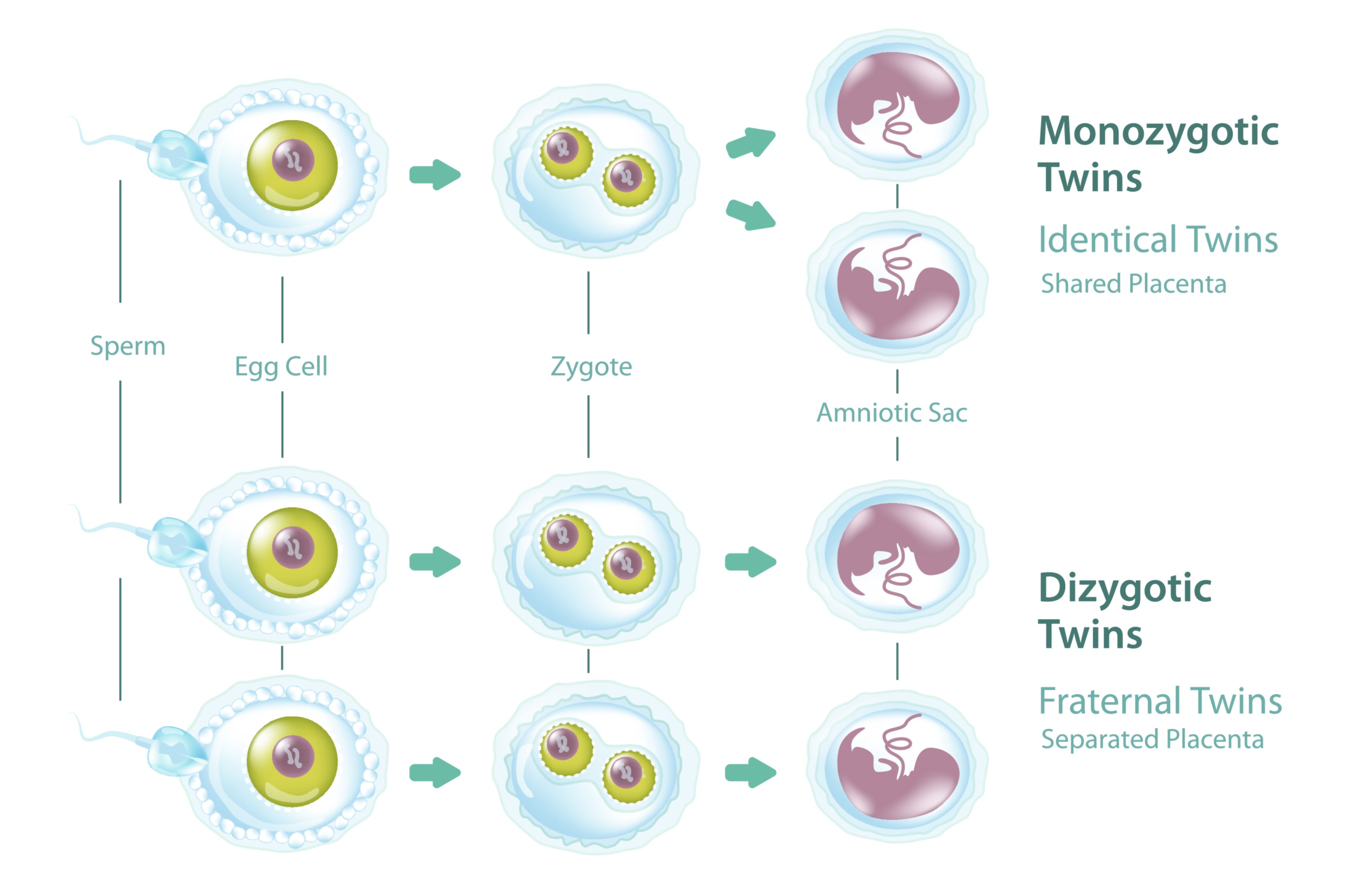
Monozygotic and Dizygotic Twins Vector Illustration Showing Identical and Fraternal Twin Development Process
Twin births represent a fascinating aspect of human reproduction, where two offspring are born from the same pregnancy. The development of twins can occur through two primary mechanisms: monozygotic (identical) twins and dizygotic (fraternal) twins. A vector illustration depicting these twin types typically emphasizes the zygote formation, embryonic development, and differentiation process, allowing viewers to understand the biological basis for identical and fraternal twins. By visualizing the fertilization, cleavage, and gestational development, the diagram provides insight into the genetic and physiological distinctions between monozygotic and dizygotic twins, highlighting how shared or separate genetic material influences phenotype and overall development.
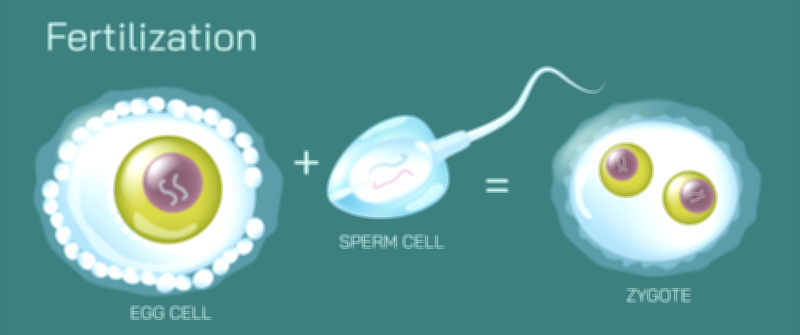
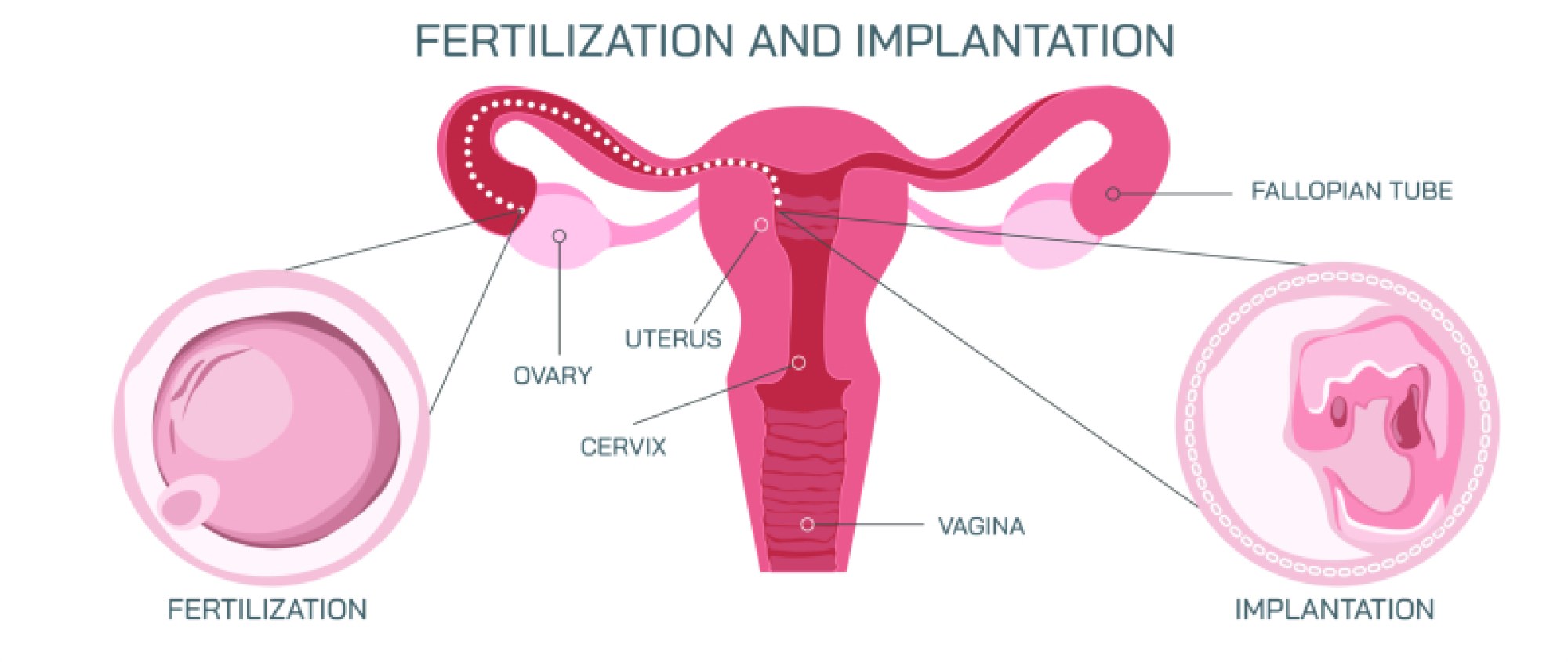
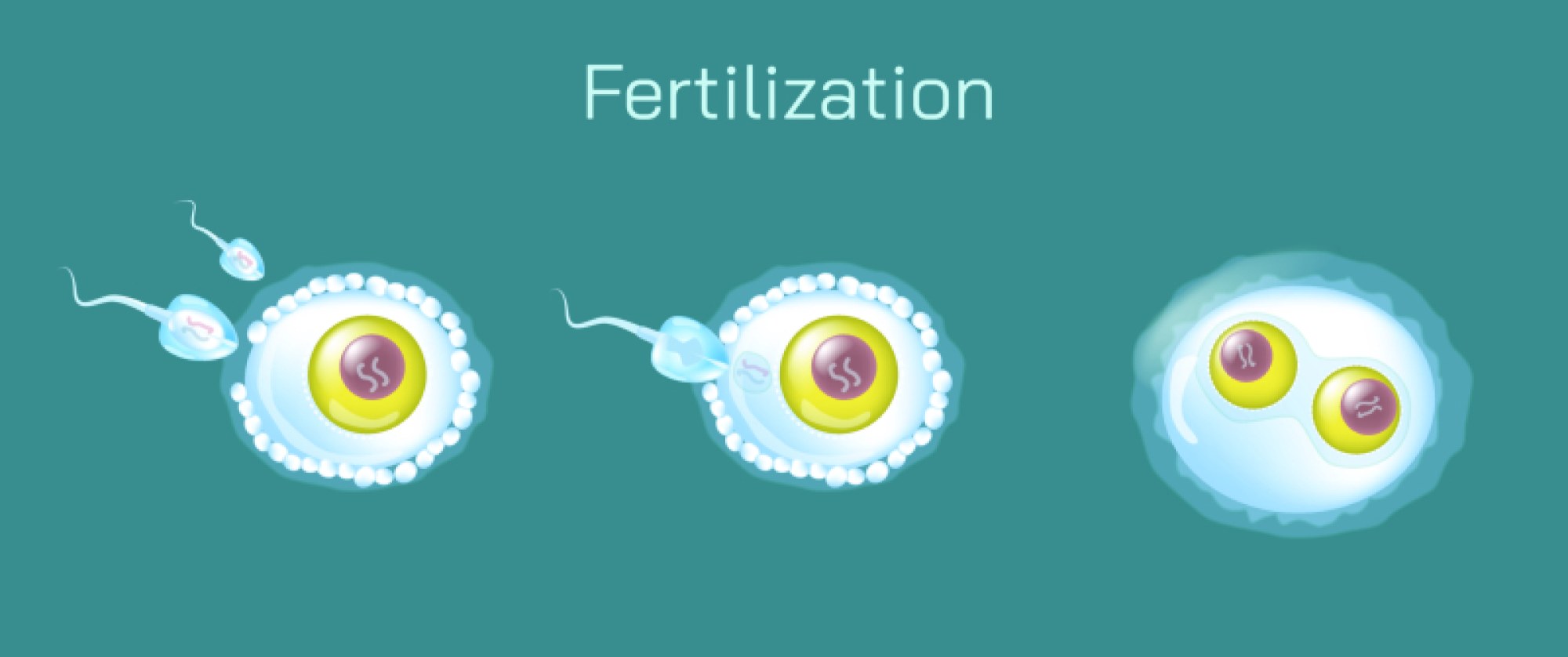
At the core of the illustration is the process of fertilization, where sperm from the father fertilizes an egg from the mother. In the case of dizygotic twins, two separate eggs are released during ovulation, each fertilized by a different sperm. The vector diagram often depicts this with two separate oocytes and two sperm cells entering each egg independently, resulting in two genetically unique zygotes. These zygotes develop simultaneously but independently, forming two embryos in the uterus. In a cross-sectional view of the uterus, arrows can indicate the location of each embryo in separate amniotic sacs, highlighting that dizygotic twins share the maternal environment but have distinct placentas and membranes in most cases. This visual representation reinforces the concept that fraternal twins are genetically no more similar than regular siblings, sharing approximately 50% of their DNA.
Monozygotic twins, by contrast, originate from a single fertilized egg. In a vector illustration, a sperm fertilizes one ovum, forming a zygote that later splits into two separate cell masses. The timing of this split influences the twins’ developmental environment. If the split occurs early in the morula stage, the resulting embryos often develop in separate amniotic sacs with distinct placentas, similar to dizygotic twins in gestational arrangement. If the split occurs later, in the blastocyst stage, twins may share a placenta while maintaining separate amniotic sacs, or in rare cases, even share the same amniotic sac. The vector diagram can illustrate these variations with labeled sacs and placental arrangements, helping viewers understand how monozygotic twins are genetically identical, sharing nearly 100% of their DNA, while still being subject to minor epigenetic differences.
Vector illustrations often highlight the genetic distinctions between the two types of twins. For dizygotic twins, DNA helix icons or color-coded chromosomes may represent independent genetic material from the two sperm and two eggs. In monozygotic twins, a single zygote is shown splitting into two embryos, maintaining identical genetic material. Arrows may indicate the timing of cell division, and labels can specify the stages at which differentiation occurs, providing a clear visual representation of the genetic processes involved. This helps learners understand why monozygotic twins often look remarkably similar, whereas dizygotic twins may differ in appearance, gender, or other inherited traits.
The vector illustration also commonly includes the developmental timeline for both twin types. In dizygotic twins, each embryo progresses through cleavage, blastocyst formation, and implantation independently, usually with distinct placental support. In monozygotic twins, the diagram may show a single zygote undergoing cleavage, with one mass splitting off to form two embryos, followed by implantation and gestational development. Visual cues, such as color gradients, arrows, or numbered stages, help viewers trace the progression from fertilization to late embryonic stages, demonstrating how early events in cellular division determine the twins’ ultimate genetic similarity and placental arrangement.
Additional elements in the vector diagram may depict the maternal environment and placental interactions, showing how nutrient and oxygen supply is distributed between embryos. For dizygotic twins, the illustration can highlight two independent placentas and separate umbilical cords, whereas monozygotic twins may share placental tissue or have interconnected vascular networks. These representations clarify why monozygotic twins can sometimes experience twin-to-twin transfusion syndrome, a complication unique to shared placental arrangements, and why dizygotic twins generally avoid this risk.
Vector illustrations often incorporate visual comparisons between monozygotic and dizygotic twins. Side-by-side depictions can emphasize differences in zygote origin, placental arrangement, amniotic sacs, and genetic similarity. Such diagrams may also show examples of physical appearance, indicating that identical twins typically have near-identical features, while fraternal twins display natural variability. By combining anatomical, cellular, and genetic elements, the illustration provides a holistic understanding of twin development.
Educational diagrams may further include statistical or probabilistic information, showing the relative frequency of monozygotic versus dizygotic twin births, the influence of maternal age, fertility treatments, and genetic predispositions. Vector illustrations can incorporate icons or charts alongside anatomical depictions to represent these factors visually, connecting biological processes to demographic patterns.
Ultimately, a vector illustration of monozygotic and dizygotic twins conveys the dynamic interplay of fertilization, cellular division, and gestational development, showing how genetic and environmental factors contribute to twin formation. By integrating zygote formation, embryonic development, amniotic and placental structures, and genetic distinctions, the diagram provides a comprehensive visual framework. It allows learners and clinicians to grasp the differences between identical and fraternal twins, understand the implications of shared or separate genetic material, and appreciate the complexity of human reproductive biology.