Fertilization and Implantation — Stages of Early Pregnancy
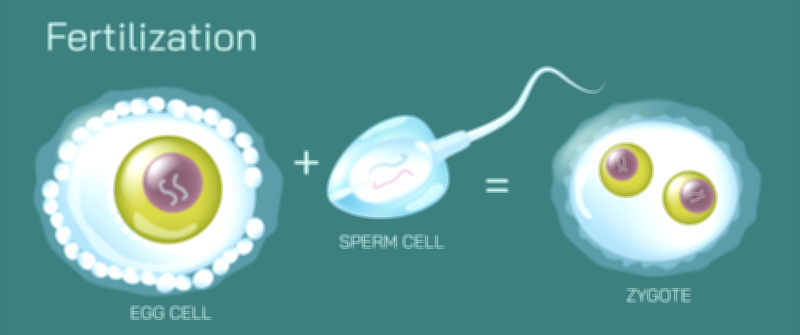
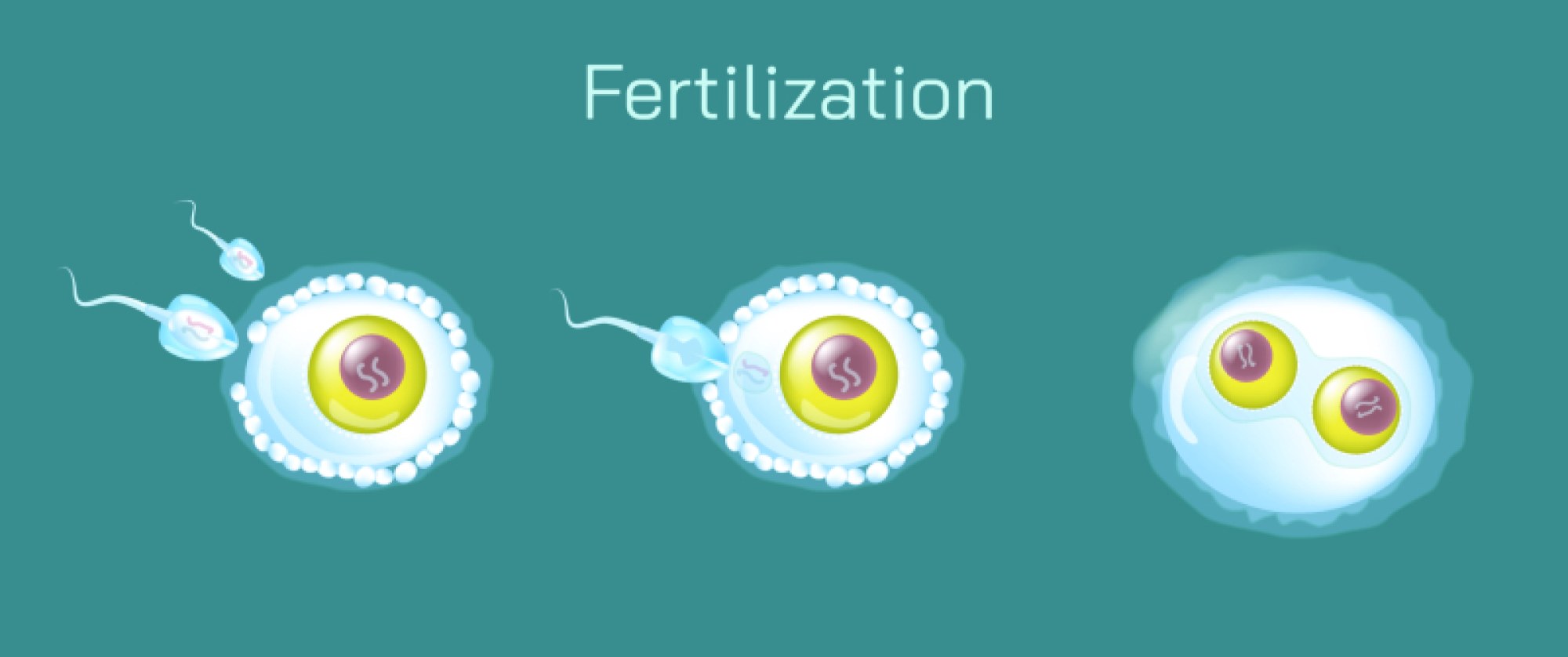
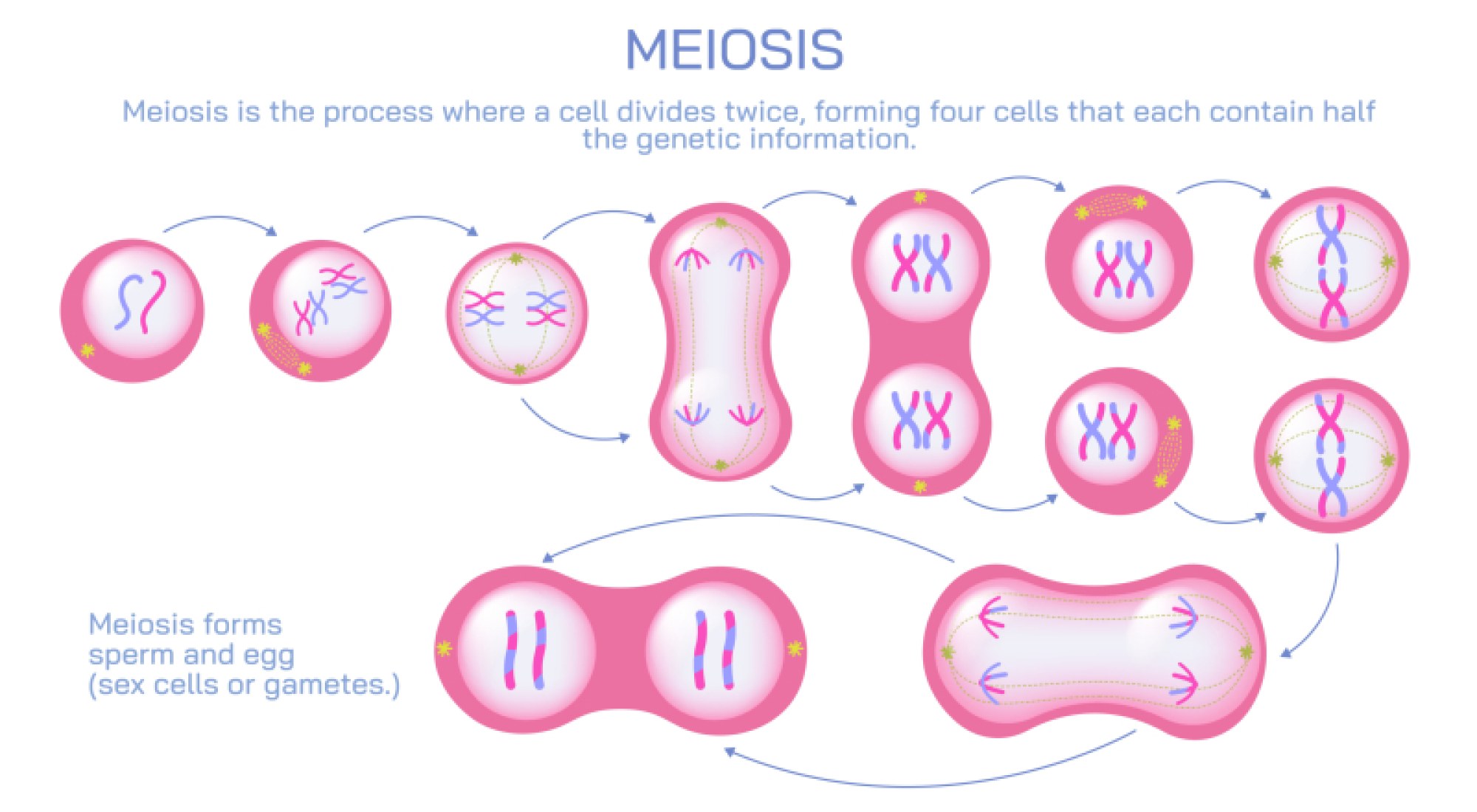
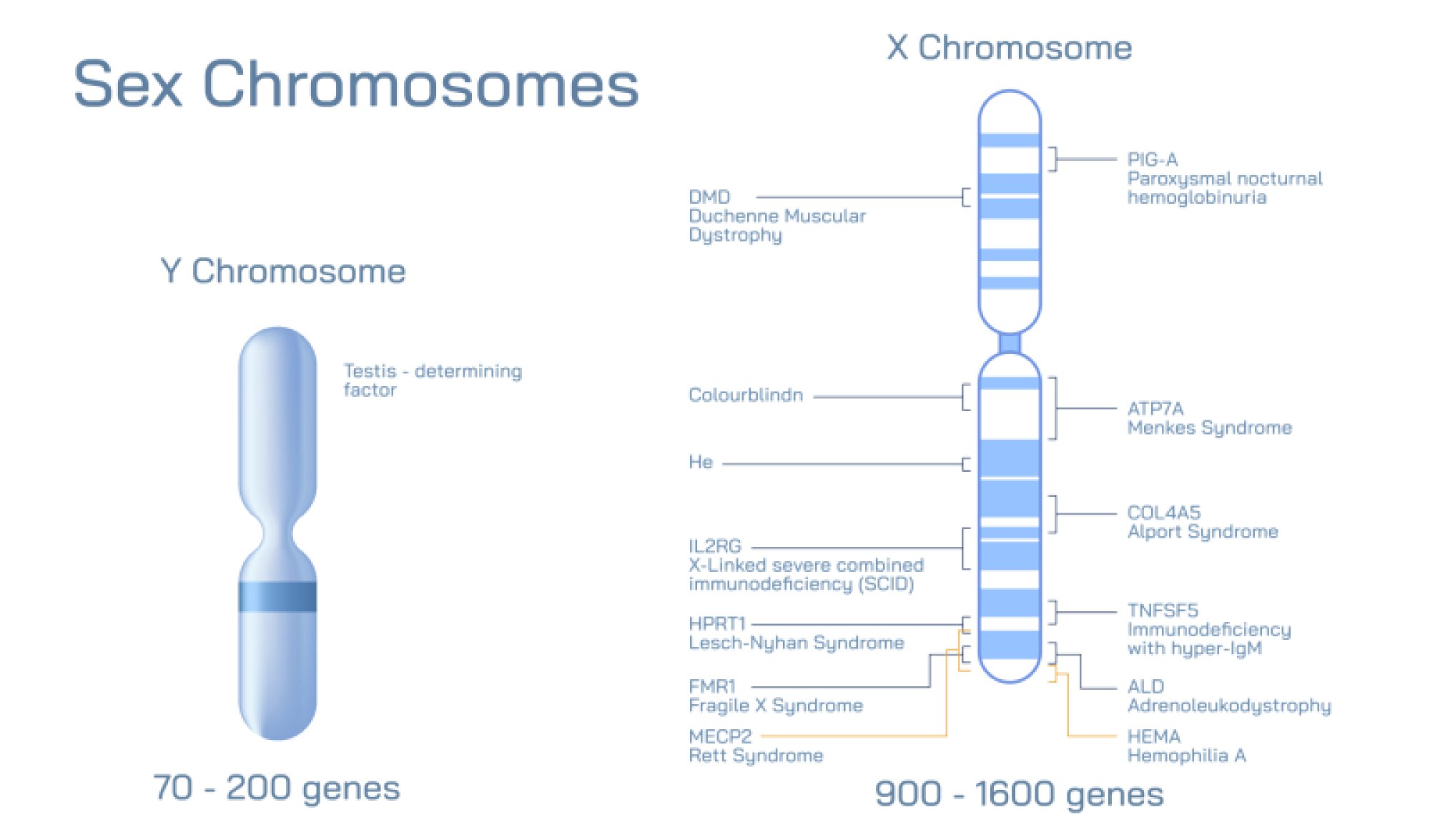
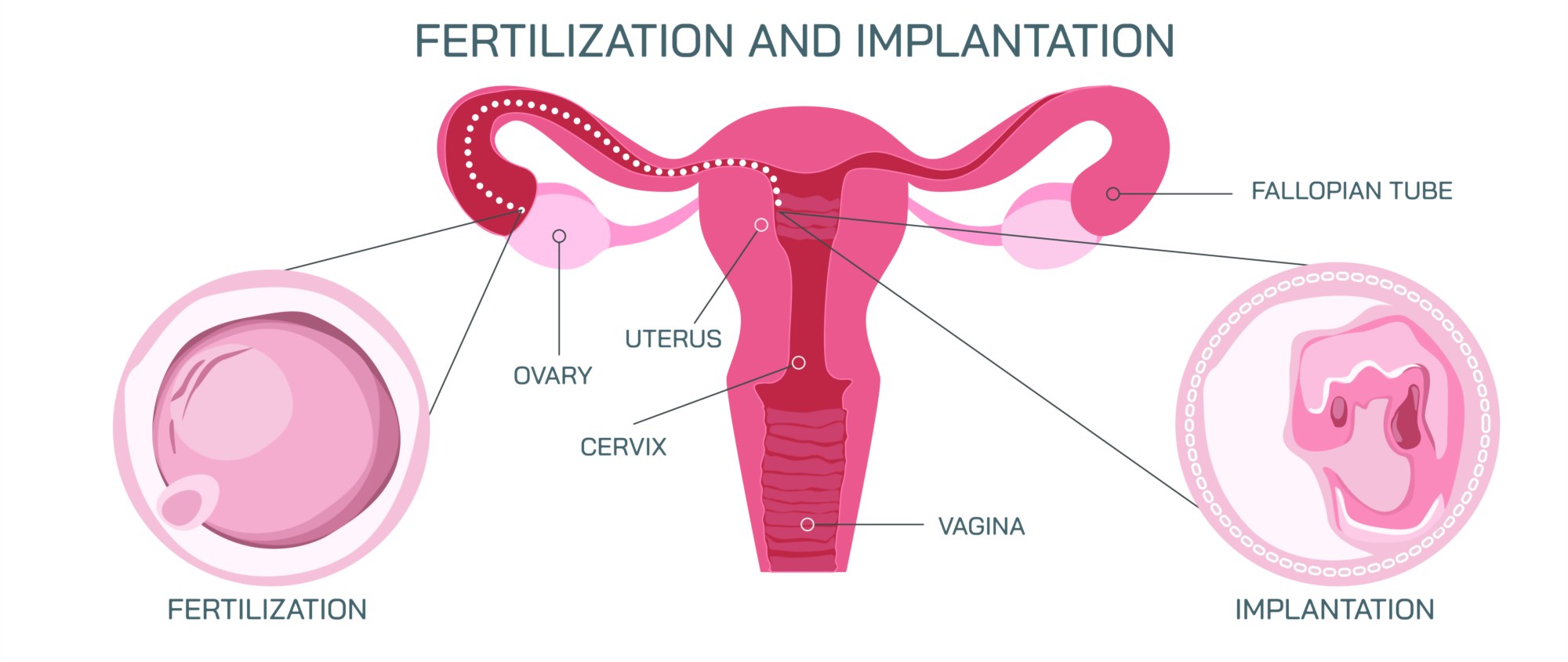
Fertilization and implantation are two critical processes in human reproduction, marking the beginning of pregnancy. Fertilization occurs when a sperm cell successfully penetrates an egg cell, combining their genetic material to form a zygote. This single-cell zygote contains the complete set of chromosomes, half from the mother and half from the father, establishing the genetic blueprint of the future embryo. Fertilization typically takes place in the fallopian tube, where the ovulated egg meets the sperm within a short window following ovulation. This process involves several steps including sperm capacitation, acrosome reaction, and penetration of the egg’s protective layers, culminating in the fusion of sperm and egg nuclei.
After fertilization, the zygote begins a series of cell divisions called cleavage, forming a multicellular structure known as a blastocyst. During this early stage of development, the blastocyst travels from the fallopian tube towards the uterus, a journey that takes several days. The blastocyst consists of an inner cell mass, which will develop into the embryo, and an outer layer of cells called the trophoblast, which will form part of the placenta. Successful travel and development are crucial for the subsequent implantation process.
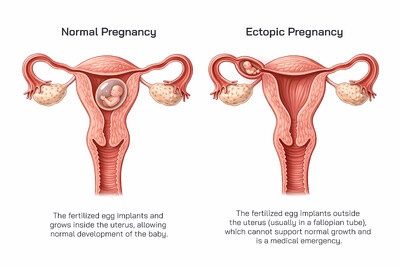
Implantation occurs when the blastocyst attaches to the thickened, nutrient-rich lining of the uterus, called the endometrium. The trophoblast cells invade the endometrium, establishing a connection with maternal blood vessels to begin nutrient and oxygen exchange. This step is essential for the survival and growth of the embryo, as it allows the formation of the placenta and supports early embryonic development. Hormonal changes, particularly the increase of progesterone, prepare the endometrium for implantation and help maintain the pregnancy. Implantation typically occurs 6–10 days after fertilization, and any disruptions during this process can affect pregnancy viability.
Understanding fertilization and implantation is fundamental in reproductive biology, fertility treatments, and early pregnancy care. These processes are critical for ensuring genetic combination, embryo survival, and successful pregnancy. Advances in medicine and reproductive technology, such as in vitro fertilization (IVF), directly target these stages to help individuals achieve conception. Proper knowledge of fertilization and implantation also aids in understanding early pregnancy symptoms, timing for conception, and the factors influencing embryo implantation success.
In conclusion, fertilization and implantation represent the initial and essential stages of human pregnancy, beginning with the union of sperm and egg and continuing with the attachment of the embryo to the uterine lining. These processes ensure genetic inheritance, embryo development, and the establishment of pregnancy. Studying these stages provides insights into reproductive health, fertility management, and the complex biological orchestration required for successful conception and early embryonic growth.