Calcium Supplement Vector Illustration Showing Composition and Elemental Calcium Percentage for Bone Health
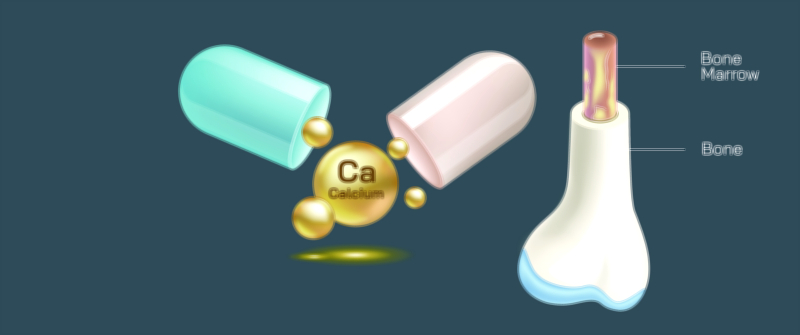
Calcium plays a defining role in maintaining the strength, structure, and long-term resilience of the human skeleton, and because daily dietary intake does not always meet the body’s requirements, many individuals turn to calcium supplements as a practical means of supporting bone health. Yet even though the term “calcium supplement” sounds straightforward, not all products contain the same type of calcium, and they do not provide identical amounts of usable, or elemental, calcium. A vector illustration designed to show supplement composition and elemental calcium percentage provides powerful clarity on a subject that often confuses both consumers and students of nutrition. It visually breaks down the molecular makeup of common calcium compounds, reveals what proportion of each dose is true calcium, and highlights nutrient partners that ensure the mineral is properly absorbed and deposited into bone.
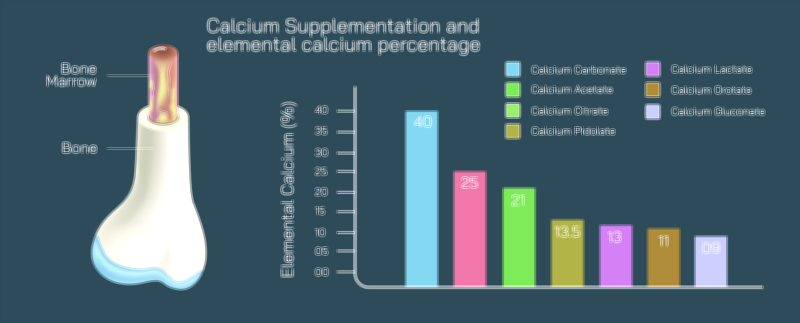
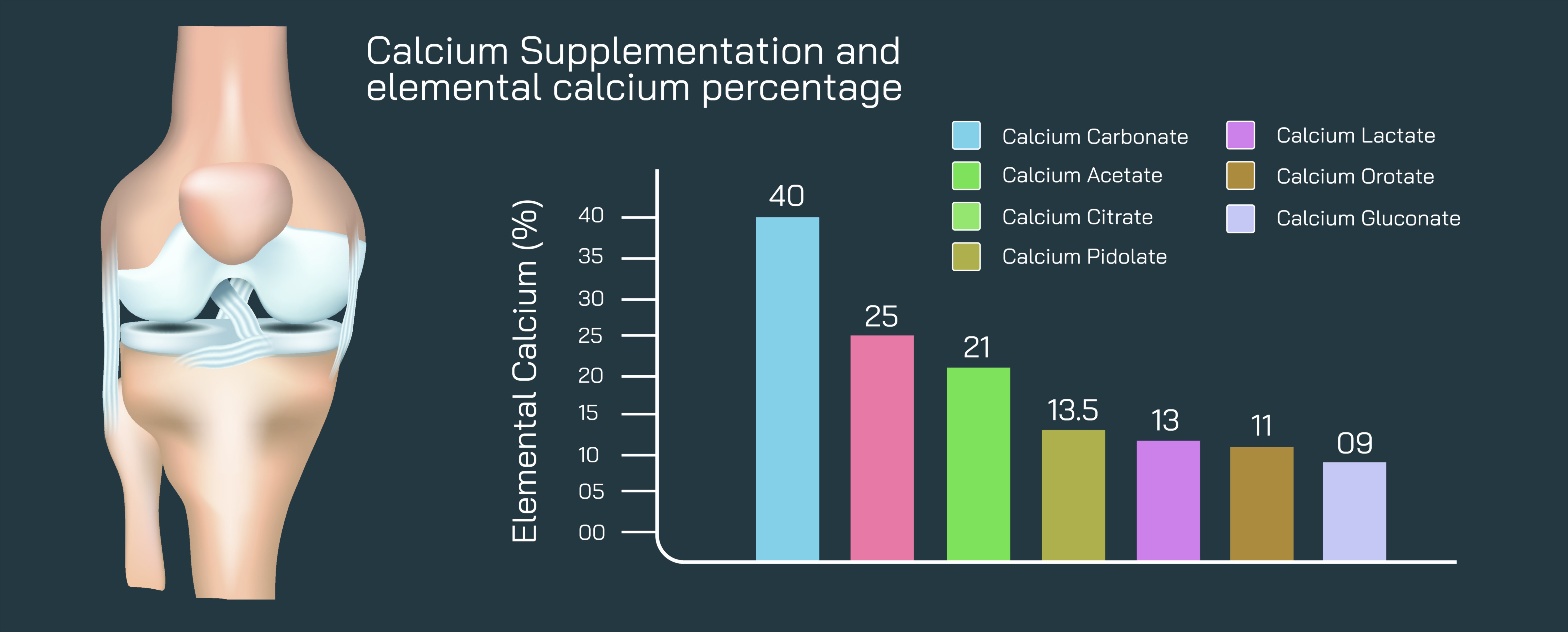
Most calcium supplements are formulated using chemically bonded compounds, and the total weight listed on a bottle refers to the compound, not the actual calcium within it. The elemental calcium percentage determine how much calcium the body has access to. For example, calcium carbonate—one of the most common and affordable forms—contains about 40% elemental calcium, meaning a 1,250 mg tablet provides approximately 500 mg of usable calcium. Calcium citrate contains around 21% elemental calcium, so a higher total dose must be taken to provide the same amount of available calcium, yet citrate offers better absorption in individuals with low stomach acid and fewer digestive side effects. A vector illustration that compares these forms through clear color-coded bars or fraction graphics enables instant understanding of why tablet size, dosage, and total milligrams of compound do not tell the full story of calcium delivery.
Other forms of calcium also appear frequently on supplement labels, and a visual representation helps distinguish their roles. Calcium phosphate contributes both calcium and phosphorus—the two minerals that form the hydroxyapatite crystals responsible for bone hardness—yet it carries a lower elemental percentage and is more expensive to manufacture. Hydroxyapatite-based supplements mirror the natural mineral matrix of bone and often include trace minerals, making them popular in orthopedic recovery or athletic supplementation. Calcium lactate, calcium gluconate, and other gentle forms contain lower elemental calcium but are easy to digest and therefore useful for individuals with sensitive digestion. A vector graphic that displays molecular structures alongside elemental calcium percentages supports quick comparison and helps clinicians, educators, and consumers understand which supplements best match individual needs and absorption ability.
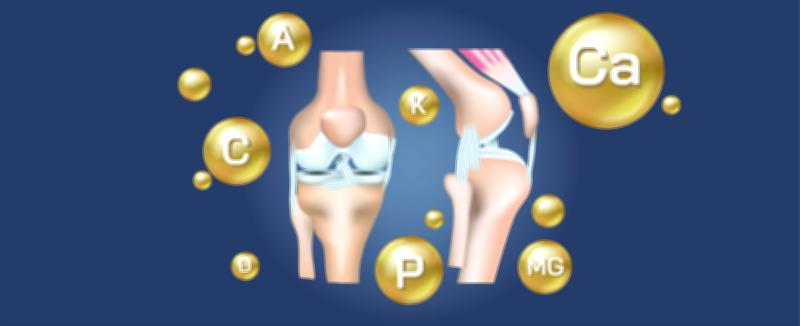
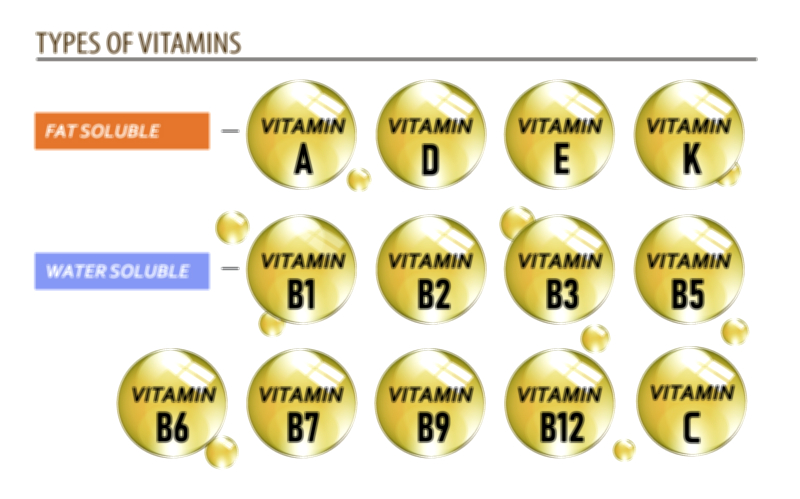
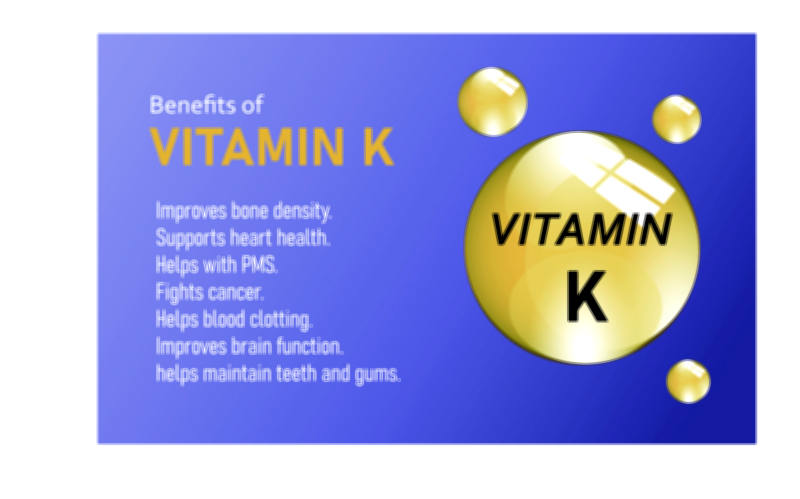
Absorption, rather than raw intake, is what decides whether calcium ultimately strengthens bones, and a nutrient composition illustration reinforces this essential idea. Calcium relies on vitamin D for intestinal absorption, vitamin K2 for directing calcium to bones rather than soft tissues, and magnesium for enabling the biochemical conversion of vitamin D and stabilizing the bone-mineral matrix. Without these supporting nutrients, even high doses of elemental calcium can result in minimal skeletal benefit. This is why many modern supplements combine calcium with vitamin D and sometimes vitamin K2 and magnesium. A vector layout that shows arrows linking these nutrients to bone-forming pathways communicates that calcium is part of a broader synergistic network rather than a standalone solution.
A well-designed illustration also helps distinguish optimal intake from ineffective or excessive intake. Because the body absorbs only a limited amount of calcium at one time, large doses must be split throughout the day for best results. Calcium carbonate is absorbed most efficiently when taken with meals due to its dependence on stomach acid, while calcium citrate can be taken with or without food. A graphic showing absorption rates under different digestive conditions demystifies dosage timing and helps people avoid under-utilization of their supplements. At the same time, an illustration can reinforce that extremely high supplementation does not strengthen bones faster; once absorption limits are exceeded, the excess is not used for bone formation and may instead stress the kidneys or interfere with other nutrients.
Calcium needs also vary with age and physiological state. Children and teenagers require abundant calcium to build peak bone mass, which becomes the foundation for lifelong skeletal strength. Adults need consistent intake to maintain balance between bone breakdown and formation. Older adults—especially postmenopausal women—require extra calcium to compensate for the increased rate of bone resorption caused by hormonal shifts. Athletes, pregnant women, breastfeeding mothers, and individuals recovering from fractures may also need higher calcium availability. When a vector illustration displays this lifecycle timeline alongside supplement composition and elemental percentages, it reinforces the role of calcium supplementation as a long-term strategy rather than a short-term fix.
From a clinical and safety perspective, a visual diagram also helps communicate circumstances in which supplementation should be customized or monitored. Individuals with kidney disease, parathyroid disorders, or calcium-based kidney stones require careful guidance. Certain medications—including thyroid hormone therapies and some antibiotics—must be separated from calcium intake to prevent interference with absorption. Even caffeine, high sodium intake, and excess phosphorus from soft drinks can impair calcium utilization. Including icons or caution symbols within the illustration helps convey that smart calcium use must be coordinated with overall health, not taken blindly.
Ultimately, a calcium supplement vector illustration showing composition and elemental calcium percentage for bone health transforms technical nutrition and biochemical detail into an accessible, memorable educational image. It connects the chemistry of supplement ingredients to the real-world biological goal: stronger bones, improved mobility, reduced fracture risk, and protection against age-related bone loss. By revealing the distinctions among supplement forms, absorption patterns, and synergistic nutrients, the illustration empowers viewers—whether clinicians, students, athletes, or everyday health seekers—to choose calcium sources intelligently rather than by trial and error. Through visual clarity, it reinforces that bone health depends not only on how much calcium is consumed, but on how effectively the body can absorb, distribute, and incorporate it into the living architecture of the skeleton.