Vitamin B Complex — Nutritional Sources and Full-Body Health Benefits Supporting Energy, Brain Function, Nerve Strength, Metabolism, and Cellular Growth
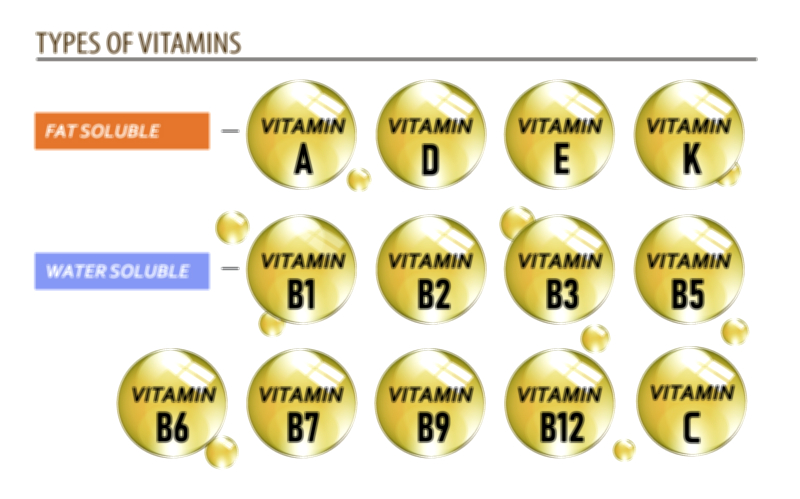
Vitamin B Complex represents an entire family of eight essential nutrients that work together to support some of the most fundamental functions of the human body, especially those related to metabolism, brain health, nerve signaling, red blood cell formation, digestion, cellular repair, and emotional resilience. Even though each B vitamin has its own identity and biological responsibility, they function like an interconnected network; deficiency in one can disrupt the performance of the others because many of their metabolic pathways overlap. When Vitamin B Complex is understood deeply, it becomes clear that these vitamins are not peripheral supplements for occasional use but daily necessities for maintaining energy, concentration, mood stability, and physiological balance. A full appreciation of B vitamins begins with the recognition that the body cannot store most of them for long periods because water-soluble nutrients are used rapidly and flushed out regularly. This makes consistent dietary intake critically important for people of all ages, especially those under physical, emotional, professional, or academic stress, because stress increases the body’s demand for B vitamins without producing any of them internally.
Vitamin B1 (thiamine) supports energy metabolism by helping convert carbohydrates into usable fuel for the brain and muscles. Even slight deficiency can lead to irritability, weakness, appetite loss, or slowed reflexes because the nervous system depends on thiamine for optimal conductivity. Vitamin B2 (riboflavin) plays a foundational role in cellular energy production and the metabolism of fats and proteins; it also protects tissues from oxidative stress and promotes healthy skin and eye function. Vitamin B3 (niacin) facilitates hundreds of metabolic reactions, supports circulation, and assists in cholesterol balance and cellular repair. Vitamin B5 (pantothenic acid) helps synthesize hormones, regulate stress response, and produce enzymes that drive metabolism. Vitamin B6 (pyridoxine) is crucial for neurotransmitter formation and thus influences emotional stability, memory, and sleep quality while also assisting with protein metabolism and red blood cell development. Vitamin B7 (biotin) supports healthy skin, nails, and hair, helps regulate blood sugar pathways, and contributes to nervous system activity. Vitamin B9 (folate) is essential for DNA formation, fetal development, brain performance, and red blood cell production, making it especially important during pregnancy and childhood development. Vitamin B12 (cobalamin) helps maintain nerve insulation (myelin sheaths), supports cognitive clarity, fuels metabolism, and ensures healthy red blood cell synthesis to prevent fatigue and anemia. Only when these vitamins are seen as a collective does their importance become fully clear: they drive energy production, neurological strength, blood health, digestive performance, cell division, and emotional balance every single day.
6. These nutrients contribute to sustained energy and concentration not because they stimulate the body artificially but because they supply the biochemical components needed to generate cellular fuel. Plant-based sources, especially leafy greens, legumes, lentils, chickpeas, kidney beans, soy products, whole grains, oats, brown rice, buckwheat, nuts, and seeds, offer excellent levels of B1, B2, B3, B5, B6, and B9. Fruits such as bananas, avocados, and citrus varieties contribute multiple B vitamins that support metabolism and nervous system signaling. Nutritional yeast, fortified cereals, fortified plant milks, and tempeh offer valuable supplemental B12 for vegetarians and vegans who may not acquire enough of the nutrient from plant-only diets. Mushrooms, especially those exposed to light, also provide B vitamins that assist neurological and immune support. Combining both plant- and animal-derived food sources ensures diverse intake of B vitamins because no single food contains the entire complex in meaningful amounts. Even a well-designed plant-focused diet can provide the full spectrum of B vitamins when nutritional yeast, legumes, whole grains, seeds, and fortified foods are included intentionally. In every case, diversity rather than restriction strengthens nutritional wellness.
The primary benefit of Vitamin B Complex is the support of energy metabolism, but this benefit is far deeper than simply feeling active. At the cellular level, B vitamins function as cofactors in reactions that convert carbohydrates, fats, and proteins into ATP — the body’s energy currency. When energy production is efficient, people feel sustained stamina throughout the day rather than spikes and crashes. Deficiency in B vitamins may appear gradually as morning fatigue, difficulty concentrating, reliance on caffeine for energy, or constant tiredness despite sufficient sleep. B vitamins do not act like stimulants; they support the biochemical foundation that allows natural energy to exist in the first place. When this foundation is strong, physical endurance, cognitive focus, emotional balance, and overall productivity improve without artificial means.
Another major benefit of Vitamin B Complex relates to mental performance and emotional well-being. Several B vitamins — especially B1, B3, B6, B9, and B12 — are involved in the creation of neurotransmitters such as serotonin, dopamine, GABA, and norepinephrine. These brain chemicals regulate mood, motivation, memory, stress tolerance, and sleep cycles. It is no coincidence that people with B vitamin deficiencies often report sadness, irritability, poor concentration, anxiety, or emotional instability. Restoring Vitamin B Complex intake does not replace therapy or medical treatment, but it removes a biological burden on the nervous system, making emotional regulation and cognitive clarity easier. Students, office workers, athletes, new parents, and anyone under chronic stress may benefit from greater attention to B vitamin intake because stress consumes B vitamins at a faster rate than ordinary living.
Another indispensable role of Vitamin B Complex is blood cell formation and oxygen transport. Vitamins B6, B9, and B12 work together to produce healthy red blood cells. If one of them is insufficient, blood oxygen levels decrease, leading to fatigue, shortness of breath, pale skin, dizziness, headaches, and brain fog. Because these symptoms develop slowly, people often misinterpret them as lifestyle exhaustion, not nutritional deficiency. When B vitamins are restored through diet or supplementation, physical strength, stamina, and mental sharpness often return gradually and sustainably. This reinforces the idea that nutrition is not a cosmetic concern but a structural foundation for life.
Other benefits emerge across multiple systems: Vitamin B5 and B6 support adrenal balance to help the body cope with stress; B2 and B3 assist with antioxidant defense; B7 supports skin, hair, and nail resilience; B1, B2, and B6 support digestive enzyme production; B12 and folate protect fetal development and reproductive health; and the entire complex contributes to cellular repair and DNA metabolism across the lifespan. The remarkable truth about Vitamin B Complex is that it influences not just how long we live but how well we live — how focused, energetic, emotionally stable, and physiologically strong we feel every day.
12. For some individuals, especially those with digestive disorders or reduced stomach acidity, supplementation may be necessary to maintain healthy levels. However, supplements work best when paired with nutritious eating habits that provide the full spectrum of B vitamins from natural food sources, which also supply fiber, antioxidants, minerals, and phytonutrients not found in pills.
In every way, Vitamin B Complex teaches that energy, clarity, and resilience are not accidents — they result from consistent biochemical support. The difference between a tired body and a vibrant one often lies not in willpower but in nutrition. The difference between an anxious mind and a focused one can come from neurotransmitter balance shaped partly by diet. The difference between chronic fatigue and stable vitality can depend on whether red blood cells receive the building blocks they require. When Vitamin B Complex intake is prioritized through balanced meals and mindful eating patterns, the body responds with strength rather than strain.
Ultimately, Vitamin B Complex is the biological language through which food becomes fuel, thoughts become clarity, and effort becomes endurance. It represents the essential connection between nourishment and performance — not in a competitive sense, but in the sense of living fully, with energy available to pursue personal goals, express creativity, sustain relationships, overcome challenges, and enjoy life. Protecting Vitamin B Complex intake is therefore an investment in physical vitality, mental health, emotional balance, and long-term independence. Through reliable nutrition, the body receives not only calories but capability — the ability to live with strength, focus, and resilience every single day.