Mineral Calcium – Essential Nutrient for Strong Bones and Healthy Body
Calcium is an essential mineral that plays a vital role in maintaining the human body’s health, particularly for bones, teeth, muscles, and nerve function. It is the most abundant mineral in the body, making up a large portion of bones and teeth. Adequate calcium intake is crucial for building strong skeletal structures, supporting mobility, and preventing bone-related disorders such as osteoporosis.
In addition to its structural role, calcium is critical for muscle contraction, including the heart muscle, and nerve signaling, where it helps transmit electrical impulses between nerves and muscles. Calcium also participates in blood clotting, enzyme activity, and hormonal regulation, highlighting its multifaceted role in maintaining physiological balance.
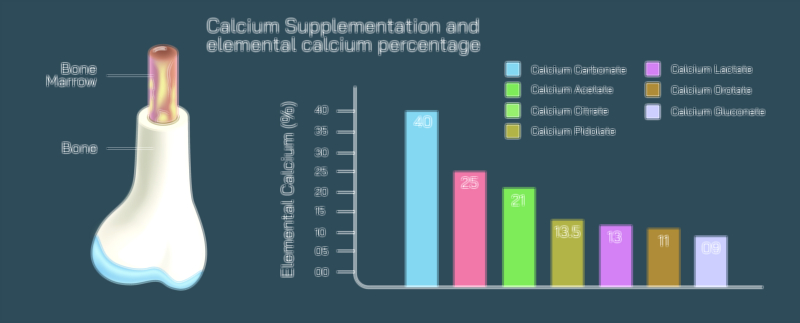
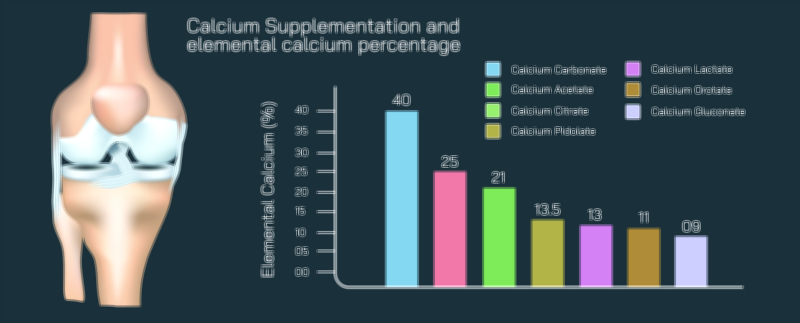
Dietary calcium can be obtained from a variety of food sources. Dairy products like milk, cheese, and yogurt are rich in calcium, while leafy green vegetables, nuts, seeds, and fortified foods also contribute to daily intake. For individuals with insufficient dietary calcium, supplements may be recommended to meet nutritional needs. Visual illustrations of calcium-rich foods and its role in the body are effective for education, health awareness, and nutrition guidance.
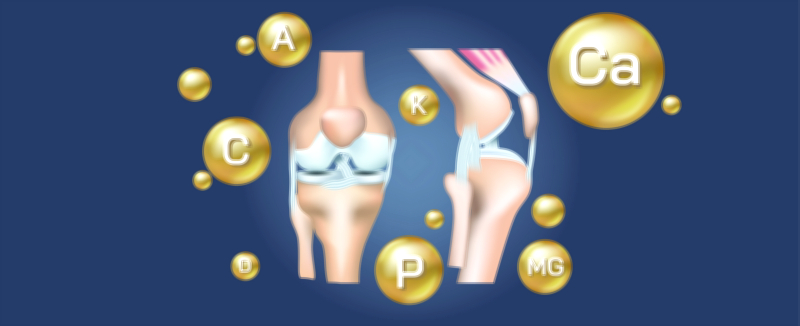
Calcium absorption in the body depends on other nutrients, particularly vitamin D, which enhances calcium uptake in the intestines. A balanced diet that combines calcium with vitamin D, magnesium, and phosphorus ensures optimal bone density and overall skeletal health. Illustrations and diagrams depicting calcium in bones, teeth, and other organs provide clarity for learners and healthcare audiences, showing where calcium is stored and how it functions within the human body.
Children, adolescents, and the elderly are particularly vulnerable to calcium deficiency. In children, inadequate calcium intake can affect bone growth and development, while in adults and seniors, deficiency can lead to bone weakening and increased fracture risk. Educational illustrations of calcium can visually communicate these health consequences, emphasizing the importance of maintaining proper calcium levels throughout life.
In conclusion, mineral calcium is an indispensable nutrient for structural integrity, muscle and nerve function, and overall health. Its presence in bones and teeth, combined with its role in vital physiological processes, makes it a cornerstone of human nutrition. Visual aids such as vector illustrations, infographics, and diagrams are excellent tools for teaching, promoting awareness, and guiding proper dietary practices to ensure optimal calcium intake and long-term health benefits.