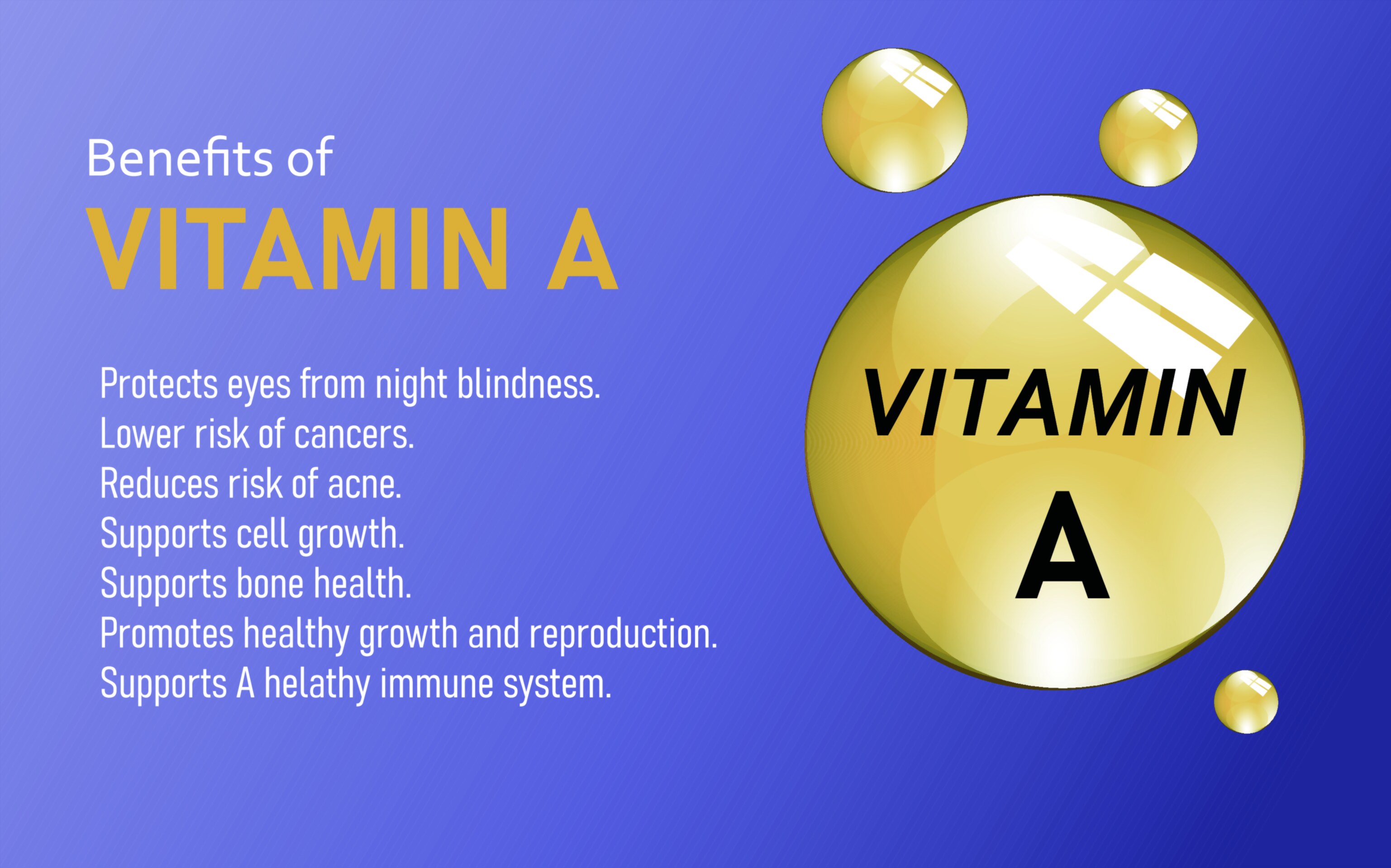
Vitamin A — Nutritional Sources and Health Benefits Conveyed Through a Vector Illustration of Vision, Immunity, and Cellular Growth
A Vitamin A Nutritional Source and Health Benefits Vector Illustration transforms the science of micronutrient biology into a clear visual story about how this essential vitamin protects eyesight, strengthens the immune system, supports skin and tissue renewal, and promotes healthy development throughout life. Vitamin A is often referred to as a “vision vitamin,” but its importance extends far beyond eyesight — it influences cell differentiation, reproductive health, fetal development, and defense against infections. A well-composed vector illustration reinforces these interconnected benefits through organized icons, nutritious food imagery, and clean gradients that communicate vitality, clarity, and biological protection. Even without complex medical language, the viewer learns instantly that Vitamin A is crucial for both structural and protective functions within the body.
The design usually begins with nutritional sources rich in Vitamin A, positioned around a central Vitamin A emblem to emphasize accessibility through everyday meals. Bright orange and yellow food icons such as carrots, sweet potatoes, pumpkins, mangoes, apricots, and butternut squash visually communicate the presence of beta-carotene — the plant pigment that the body converts into Vitamin A. These warm hues pair naturally with green foods like spinach, kale, collard greens, and broccoli, which also contain high levels of carotenoids. Animal-derived sources, often illustrated nearby, include eggs, milk, cheese, liver, fatty fish, and fortified dairy products. Grouping these foods visually teaches that Vitamin A is available through both plant-based and animal-based diets, ensuring that people of different cultural and dietary backgrounds can meet their daily needs. The viewer intuitively associates the bright colors of fruits and vegetables with nutrition and health, even before understanding biochemistry.
The illustration then shifts toward the biological benefits of Vitamin A, which appear through carefully selected icons that make microscopic processes visible. Eye symbols — often drawn with glowing highlights, sharp pupil definition, or low-light silhouettes — represent the vitamin’s fundamental role in retina function. Vitamin A forms the light-sensitive pigment used by photoreceptor cells in the eyes, enabling vision in dim lighting and helping prevent night blindness. This clarity is captured visually rather than textually: an eye glowing softly in the dark becomes a symbol of Vitamin A’s support for visual adaptation and long-term ocular health.
One of the most significant purposes of Vitamin A, equally essential yet often overshadowed by its connection to vision, is immunity and protection against infections. Strong immune shields, white blood cell icons, or antibacterial spark motifs appear around the Vitamin A emblem to suggest its influence in maintaining the integrity of mucous membranes and epithelial tissues. These tissues form the body's first line of defense in the eyes, lungs, digestive system, and reproductive tract. When Vitamin A levels are adequate, these protective barriers stay strong, reducing vulnerability to infections. A vector illustration turns this invisible biological security system into a visible, intuitive graphic.
Another core benefit shown in the illustration relates to skin and tissue repair, represented through glowing skin surfaces, dermal layers, collagen patterns, or healing icons. Vitamin A supports normal cell growth and plays an important role in maintaining the structure of the skin and internal linings of the body. Its influence is not aesthetic vanity; it is biological necessity. Cells rely on Vitamin A to regenerate at a stable pace, which is why deficiency often leads to rough, dry skin or delayed wound healing. These visual cues connect the nutrient to long-term bodily resilience rather than short-term cosmetics.
Some illustrations further include reproductive and developmental symbolism, such as fetal icons, growth arrows, or developmental silhouettes, indicating that Vitamin A plays an essential role in reproductive health and fetal organ formation during pregnancy. These visuals are placed subtly and respectfully because they communicate the vitamin’s involvement in gene expression and structural development, two functions that are fundamental to the continuity of life rather than optional enhancements.
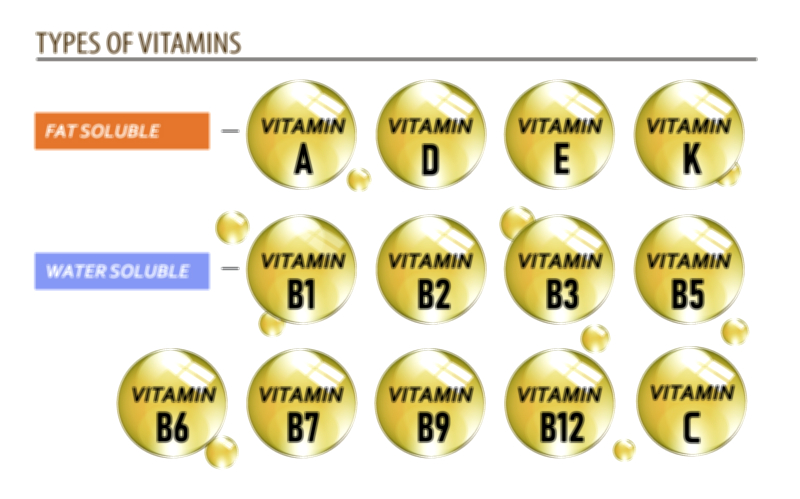
Nutritional vector graphics often embed gentle reminders of nutrient balance, and Vitamin A designs are no exception. Unlike water-soluble vitamins that require constant supply, Vitamin A is fat-soluble and stored in the liver and fatty tissues. Mild symbolism — such as liver silhouettes, small oil droplet icons, or healthy fat imagery — may appear in the background to suggest that Vitamin A requires dietary fats for absorption and that responsible intake matters. This reinforces a scientific truth: deficiency can damage health, but excessive supplementation can also cause toxicity. The illustration therefore communicates an evidence-based view of nutrition — not fear, not promotion, but balance.
The choice of vector format enhances both educational and commercial value. The clean geometry, smooth gradients, and well-defined shapes allow the illustration to scale perfectly whether printed on a classroom poster, placed on a product label, used in a healthcare brochure, embedded in a wellness blog, or animated for a social media awareness campaign. Designers can edit layers easily — adding labels, rearranging food items, adapting benefits for specific audiences such as children, athletes, seniors, vegetarians, or pregnant women, or customizing the color palette to match brand identity. Because vectors do not pixelate, the Vitamin A capsule effect, the illumination of the eye icon, and the glossy surface of the food imagery retain professional clarity in any format.
A deeper emotional purpose reinforces the scientific value of the illustration: it inspires viewers to care about their nutrition through positive association instead of restriction or fear. The glowing food icons, radiating benefits, and shield-like graphics tell the viewer that good health begins with nourishment rather than limitation. They encourage the idea that Vitamin A is not a medical burden but a natural ally — found in colorful vegetables, healthy fats, and nourishing meals that are enjoyable as well as beneficial. This positive framing makes the image suitable for health campaigns, school learning materials, fitness environments, supermarket displays, and supplement marketing alike.
Ultimately, a Vitamin A Nutritional Source and Health Benefits Vector Illustration does more than categorize foods or list medical facts. It explains a fundamental biological truth: that vision, immunity, skin integrity, growth, and cellular strength are deeply dependent on a tiny molecule that the human body cannot produce on its own. It teaches that deficiency may remain invisible until symptoms appear, and that daily nutrition is the simplest, most powerful form of prevention. Through its clean design and intuitive symbolism, the illustration empowers individuals to link their plate with their long-term well-being — showing that every meal is a chance to support the eyes that see, the tissues that heal, the cells that grow, and the immune system that protects life every moment.