Vitamin D — Nutritional Sources and Health Benefits: Sunlight, Strong Bones, Immunity, and the Foundation of Lifelong Wellness
Vitamin D stands apart from most other nutrients because it is both a vitamin and a hormone-like regulator that influences the functioning of the entire body. Unlike many vitamins that must be consumed exclusively through diet, the human body can synthesize Vitamin D through exposure to sunlight, which makes this nutrient a unique bridge between nature, lifestyle, and biology. A detailed understanding of Vitamin D begins with recognizing that it plays a vital role in supporting bone strength, immune resilience, muscle performance, brain function, and long-term metabolic health. It operates at a cellular level, where it assists with calcium absorption, regulates mineral distribution, and supports the activities of genes that control growth, repair, and inflammation. Even though its effects are microscopic, the consequences of deficiency are visible and far-reaching, influencing energy levels, mood stability, immune responses, bone density, and overall vitality throughout the lifespan. Because Vitamin D is involved in structural strength and disease prevention rather than instant effects, it is often overlooked — yet it is one of the most essential nutritional components for lifelong health.
Vitamin D is commonly associated with bone development due to its indispensable role in calcium absorption and utilization. Calcium cannot properly strengthen bones without adequate Vitamin D, and even diets rich in calcium become ineffective when Vitamin D levels are low. This is why inadequate Vitamin D is strongly linked with rickets in children, osteomalacia in adults, and osteoporosis in aging populations. It assists the body in transporting calcium and phosphorus into bones and teeth, strengthening their internal matrix and providing resilience against fractures or gradual weakening. Individuals who feel chronic musculoskeletal pain or weakness often discover that insufficient Vitamin D is a contributing factor, and once levels are restored, mobility, posture, and physical comfort may noticeably improve. The nutrient’s influence on bones also indirectly protects independence and quality of life in later years since strong bones and stable muscles significantly reduce the risk of falls.
Beyond structural support, Vitamin D plays a powerful and often underappreciated role in immunity. It supports the function of white blood cells, enhances the body’s ability to defend against infections, and regulates inflammation to prevent immune overreaction. Research shows that individuals with low Vitamin D levels are more prone to frequent illness, slower recovery, or inflammatory conditions that linger for long periods. Vitamin D receptors exist on immune cells, meaning that the presence or absence of this nutrient influences their performance directly. The immune effect extends beyond seasonal illnesses; Vitamin D is linked to long-term immune balance, helping the body differentiate between genuine threats and harmless stimuli. This regulation helps protect against excessive inflammatory responses that are associated with chronic disease. For children, adults, and seniors alike, maintaining sufficient Vitamin D levels improves overall resilience, reduces vulnerability to recurrent infections, and supports a more efficient immune system.
Although commonly overlooked in public conversation, Vitamin D also contributes significantly to mental and neurological well-being. Studies consistently show a connection between low Vitamin D levels and mood disorders, including depression, seasonal mood disturbances, and general emotional fatigue. This association becomes clearer when examining how Vitamin D interacts with neurotransmitters and brain receptors that govern feelings of motivation, calmness, and mental clarity. People living in regions with limited sunlight during winter months often experience seasonal energy drops partly due to reduced Vitamin D synthesis. Restoring optimal levels — through sunlight exposure, diet, or supplementation — can support a more balanced emotional state, improve concentration, and reduce mental fog. While Vitamin D is not a direct antidepressant, its role in brain health is strong enough that mental wellness professionals increasingly consider it an important pillar of holistic well-being rather than a secondary detail.
A complete understanding of Vitamin D also involves recognizing its nutritional sources. Sunlight remains the most natural and powerful source, especially mid-day sunlight that provides UV-B rays needed for Vitamin D synthesis. However, climate, skin tone, lifestyle, age, sunscreen usage, and geographic location can drastically affect the body’s ability to convert sunlight into Vitamin D. For this reason, dietary intake becomes especially important to ensure sufficiency. Fatty fish such as salmon, sardines, mackerel, and tuna are among the richest natural food sources. Egg yolks, liver, fortified dairy products, fortified plant milks, breakfast cereals, mushrooms exposed to sunlight, and cod liver oil also contribute meaningfully to Vitamin D intake. While dietary sources support a healthy baseline, they may not always be enough for individuals with minimal sunlight exposure or those whose bodies absorb Vitamin D less efficiently. In such cases, supplementation guided by professional advice may be necessary to restore adequate levels.
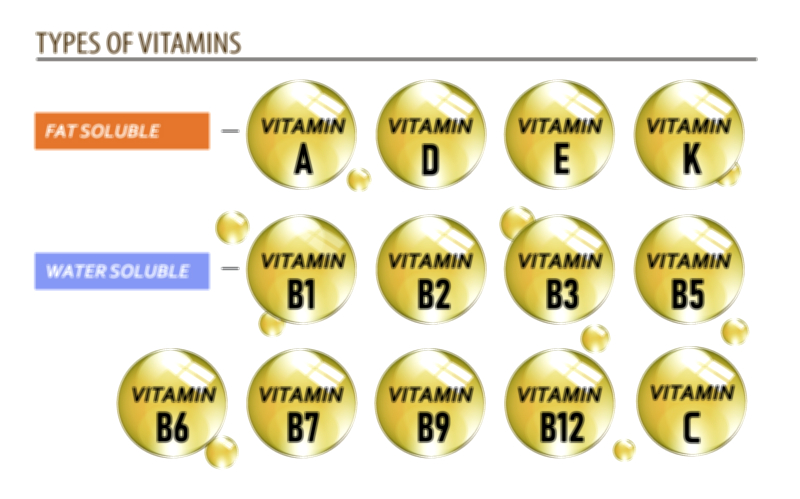
Because Vitamin D is fat-soluble, it is stored in fatty tissues and the liver, which means sufficient intake does not need to occur every single day as long as levels remain stable over time. However, this also means excessive supplementation without supervision can lead to toxicity, since the body cannot rapidly excrete surplus amounts. Healthy Vitamin D intake requires balance rather than excess, combining safe sunlight exposure, mindful eating, and supplementation only when needed. Understanding this equilibrium ensures long-term wellness rather than a short-term boost, because Vitamin D supports processes that develop gradually and endure across decades.
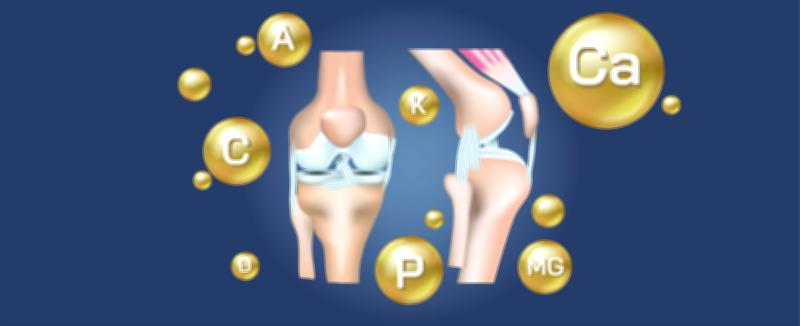
2. Vitamin D increases calcium absorption, magnesium helps activate Vitamin D in the body, and Vitamin K2 ensures calcium is deposited in bones rather than in blood vessels or soft tissues. This combination demonstrates that nutritional health is not isolated — wellness is a coordinated network, and no nutrient works alone. Vitamin D is a cornerstone of this network, acting as the regulator that allows other vitamins and minerals to perform effectively.
Maintaining healthy Vitamin D levels is not simply about achieving numerical targets on a blood test — it is about protecting mobility, immunity, energy, emotional balance, and independence throughout life. The consequences of deficiency accumulate quietly, but the benefits of sufficiency improve everyday experience. People often notice increased stamina, better mood, greater resistance to illness, and stronger bones not immediately but steadily, as the body restores its biological equilibrium. From childhood bone growth to adult physical performance to senior independence, Vitamin D remains a key determinant of lifelong vitality. It provides a foundation of strength that supports every step, every breath, and every task the body performs.
In essence, Vitamin D represents a partnership between nature and biology — made in sunlight, completed through nutrition, and expressed in the structure, immunity, and clarity of the human body. It reminds us that well-being is shaped not only by medical intervention but by daily habits, outdoor activity, mindful eating, and respect for the body’s long-term needs. When Vitamin D is sufficient, the body cannot be seen improving moment by moment — but it is sustaining itself quietly and powerfully, keeping bones strong, immune systems ready, and minds balanced. By understanding and supporting this essential nutrient, individuals invest not just in their present health but in their future capability, comfort, and quality of life.