Vitamin K — Nutritional Sources and Health Benefits Expressed Through a Vector Illustration of Blood Clotting, Bone Strength, and Cellular Protection
A Vitamin K Nutritional Source and Health Benefits Vector Illustration transforms a biochemically complex micronutrient into a clear and visually intuitive representation of how this essential vitamin protects the body by enabling healthy blood clotting, supporting bone mineralization, improving calcium balance, and contributing to cellular resilience. Though Vitamin K receives less public attention than vitamins such as C, D, or B12, its biological role is no less crucial. A well-designed vector template highlights these functions through organized icons, bold symbolic imagery, and nutrient-rich food depictions that make the science of Vitamin K accessible to learners, healthcare audiences, and the general public alike. Rather than treating the vitamin as a technical label found on supplement packaging, the illustration communicates Vitamin K as a life-supporting nutrient that keeps the vascular and musculoskeletal systems functioning properly.
The visual narrative typically begins with food sources rich in Vitamin K, arranged in a balanced composition around the main Vitamin K emblem to emphasize the nutrient’s abundance in natural diets. Leafy green vegetables dominate the imagery because they are the richest natural sources — kale, spinach, collard greens, turnip greens, lettuce, Swiss chard, cabbage, broccoli, and Brussels sprouts are often illustrated together to create an immediate association between deep green foods and Vitamin K content. These plant icons communicate that the vitamin is tied to freshness, whole foods, and antioxidant density. Alongside vegetables, the design often includes complementary items such as green beans, avocados, asparagus, peas, okra, and herbs like parsley and basil. For Vitamin K2 sources, the illustration may also feature eggs, certain cheeses, chicken, natto (fermented soybeans), and other fermented foods, suggesting that Vitamin K occurs not only in raw plants but in foods shaped by microbial fermentation. Through color gradients — mostly green, with yellow accents — the template teaches viewers that Vitamin K–rich eating is rooted in natural plant diversity and gut-friendly sources.
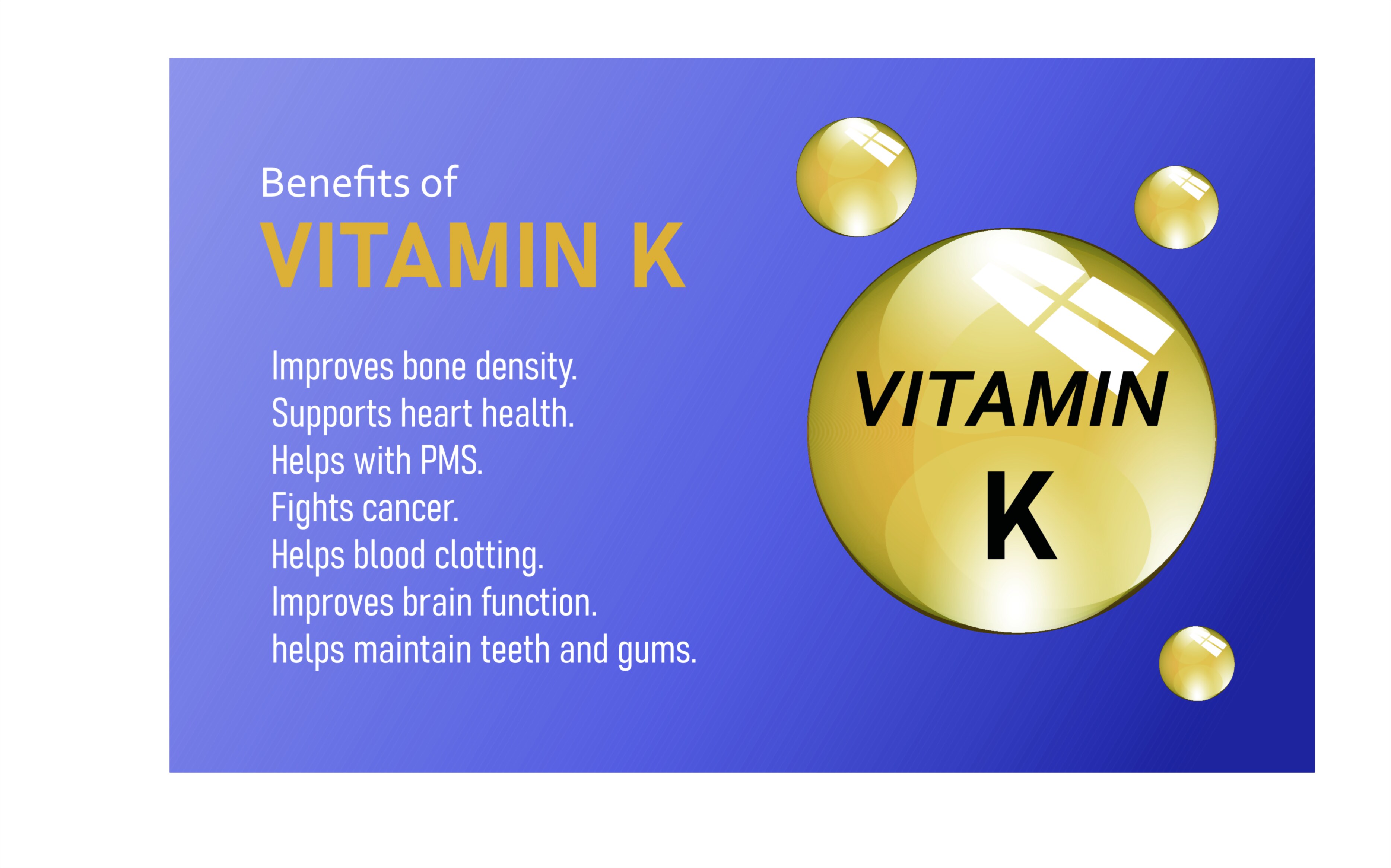
The illustration then shifts to the fundamental biological benefits of Vitamin K, translating microscopic biochemistry into easy-to-read graphic elements. The most recognizable symbol is the blood drop paired with a clotting or shield icon, representing Vitamin K’s central role in activating proteins that allow blood to clot properly after injury. Without adequate Vitamin K, even small injuries could lead to excessive bleeding. The template conveys this concept not by relying on medical terms but through universal visuals — a protected blood droplet, a wound bandage, or a clotting shield — making the link instantly understandable even to young learners.
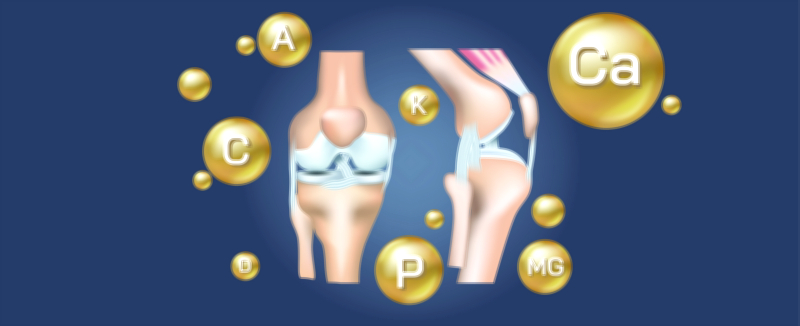
Next, the illustration frequently emphasizes bone strength, using bone silhouettes surrounded by calcium-focused arrows or mineral deposit icons. This symbolizes Vitamin K’s involvement in directing calcium to the bones rather than allowing it to accumulate in blood vessels or soft tissues. The artwork highlights the synergy between Vitamin K and Vitamin D by showing calcium utilization, bone reinforcement, and improved bone density in aging populations. Whether the viewer is concerned about growth in childhood, athletic injury resistance, or osteoporosis prevention in older adulthood, the image conveys that Vitamin K plays a structural rather than cosmetic role in skeletal well-being.
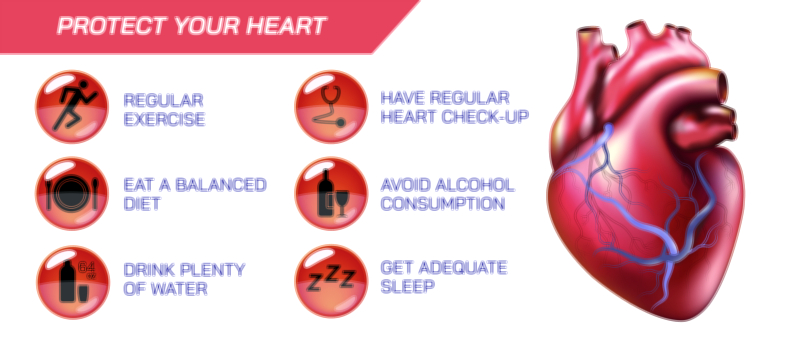
Some templates also visibly express arterial and cardiovascular support, often using heart or artery graphics with calcium-flow pathways. This helps communicate that Vitamin K assists in preventing unwanted calcification in arteries, thus indirectly benefitting circulatory and heart health. Although many people are unaware of Vitamin K’s influence beyond coagulation, the visual cues make the connection easy to understand — calcium that stays in bones rather than blood vessels contributes to long-term cardiovascular protection.
If the design incorporates digestive symbolism such as gut bacteria icons or fermentation graphics, it acknowledges that Vitamin K2 is influenced by gut microbiota and that healthy digestion influences Vitamin K status. This makes the template particularly useful for educators and nutrition professionals who want to show that micronutrient intake and gut health are interdependent.
The vector graphic format elevates this subject even further, ensuring clarity, adaptability, and professional polish across multiple uses. Because the artwork is constructed from scalable mathematical paths instead of pixels, it remains crisp whether printed on a classroom educational poster, featured on a supplement bottle label, embedded in a nutrition-focused website, used in a healthcare brochure, shared on social media, or added to a public health awareness banner. Designers can adjust food items to reflect regional diets, modify benefit icons for targeted audiences (children, adults, seniors, athletes), change color palettes to match branding, or add dosage recommendations and ingredient lists without disrupting the illustration’s structure. The result is a visually compelling communication tool suited for schools, dietitians, fitness centers, medical practices, pharmacies, and wellness marketers.
Beyond its educational and commercial usefulness, the illustration also carries an emotional message that encourages nourishment over restriction. Instead of focusing on what not to eat, it celebrates vibrant, flavorful, nutrient-dense foods that make the body stronger. The imagery of leafy greens and heart-shaped wellness icons connects dietary choice to empowerment — showing viewers that daily meals can directly support their bones, circulation, recovery, and long-term health. Without intimidation or medical heaviness, the picture promotes intentional eating rooted in respect for the human body.
Ultimately, a Vitamin K Nutritional Source and Health Benefits Vector Illustration does more than highlight a nutrient — it brings to life the story of how Vitamin K quietly, continuously protects the body from within. It teaches that blood clotting is not accidental but governed by biochemical precision; that strong bones require more than calcium alone; that cardiovascular safety relies on proper mineral distribution; and that nutrition is a set of building blocks that sustain the body every moment. Through clean vector design, symbolic clarity, and visually memorable food imagery, the illustration empowers viewers to recognize Vitamin K as a cornerstone of wellness — an unsung defender of healing, strength, and long-term biological stability.