Vitamin E — Nutritional Sources and Antioxidant Benefits Supporting Cellular Protection, Skin Health, Immunity, and Long-Term Well-Being
Vitamin E is one of the most powerful antioxidant nutrients in human nutrition, and when explored deeply it becomes clear that its role extends far beyond skin care or topical beauty treatments. It functions as a frontline defender of the body’s cells, protecting them from damage caused by oxidative stress, inflammation, and unstable molecules known as free radicals. Vitamin E guards the integrity of cell membranes, supports immune strength, stabilizes hormones, enhances heart and brain health, and plays an essential role in reproductive wellness. Although it works silently at the cellular level, the consequences of adequate or inadequate Vitamin E intake become visible over time in energy stability, skin appearance, immunity resilience, muscle performance, cognitive sharpness, and the pace at which the body ages. Understanding the sources and biological benefits of Vitamin E is therefore not merely a matter of nutrition, but of long-term vitality and prevention.
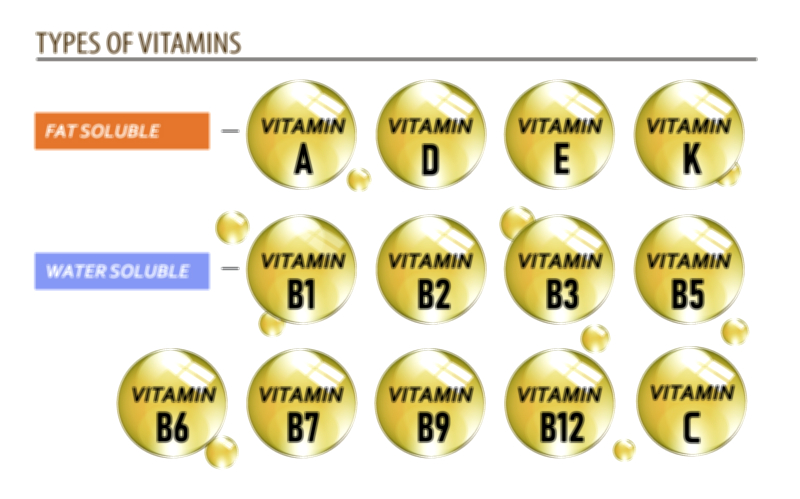
One of the most important foundations for appreciating Vitamin E is recognizing that it is a fat-soluble nutrient, meaning it is absorbed and transported in the body through dietary fats and stored in fatty tissues for future use. This storage ability prevents immediate deficiency during short periods of low intake, yet it also makes balanced consumption crucial because excess supplementation without medical oversight can accumulate over time. In its natural form, Vitamin E is a collective name for a group of compounds called tocopherols and tocotrienols, with alpha-tocopherol being the most biologically active form in humans. These compounds are distributed throughout the body and operate within cell membranes, where they intercept oxidative stress before it can damage lipids and weaken cellular structure. This preventive action is not dramatic or instantly noticeable, yet it influences everything from disease risk to how the body ages externally and internally.
Nutritional sources of Vitamin E are abundant and enjoyable, especially when the diet includes plant-based, fiber-rich foods and healthy fats. Nuts and seeds are among the most concentrated natural sources. Almonds, sunflower seeds, hazelnuts, and peanuts contain prominent amounts, and even a small handful contributes significantly to daily Vitamin E requirements. Vegetable oils such as sunflower oil, safflower oil, wheat germ oil, olive oil, soybean oil, and almond oil also contain high levels of Vitamin E, and their use in cooking or dressing meals can meaningfully support nutritional intake. Avocados, known for their creamy texture and healthy fats, provide Vitamin E along with a wide range of antioxidants. Whole grains, spinach, Swiss chard, broccoli, and other leafy greens deliver moderate amounts while complementing the body with fiber and phytonutrients. Fortified cereals and dairy alternatives can also help support intake, particularly for individuals whose diets are limited in natural Vitamin E sources. Even seafood like salmon and trout contribute to a balanced Vitamin E supply, reinforcing that the nutrient is widely accessible through diverse foods rather than synonymous with any single food group.
Although Vitamin E is present in many nutritious ingredients, the modern lifestyle can inadvertently reduce intake. Highly processed diets, low-fat eating habits that remove healthy oils, and cooking methods that expose oils to high heat can reduce the bioavailability of Vitamin E. Unlike water-soluble vitamins that dissolve during boiling, Vitamin E is affected by oxidation and heat — light and high-temperature frying can degrade it before it reaches the plate. Understanding this encourages more conscious food choices, such as including raw nuts, seeds, leafy greens, cold-pressed oils, or lightly cooked vegetables in daily meals. With simple, enjoyable changes, the body can receive consistent Vitamin E not through supplements alone but through natural dietary patterns that also supply supporting nutrients.
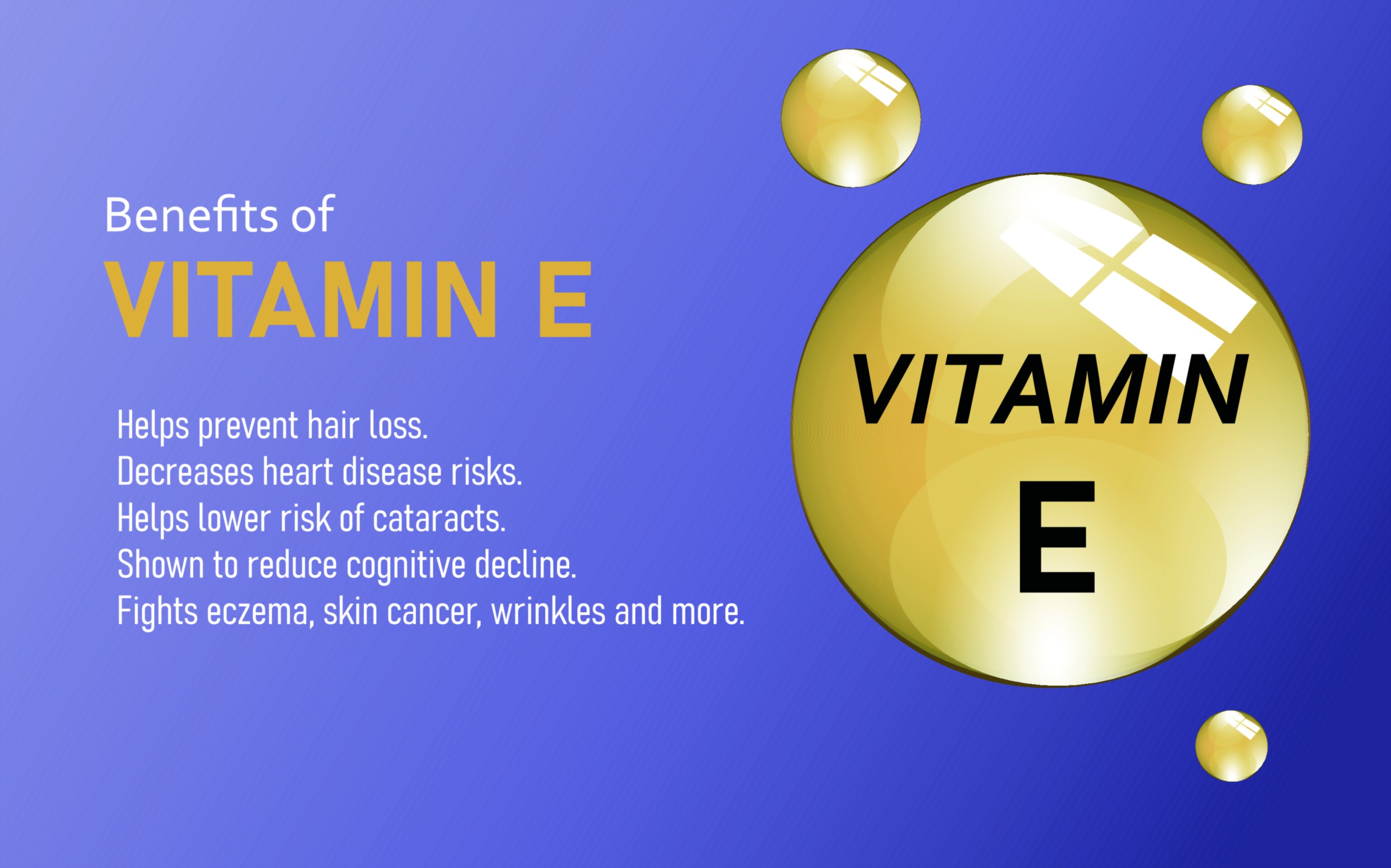
The most distinctive biological benefit of Vitamin E is its antioxidant power, and appreciating this requires understanding the concept of oxidative stress. Every day, the body produces free radicals through normal metabolism, physical exertion, environmental pollutants, ultraviolet radiation, cigarette smoke, and emotional stress. Free radicals are unstable molecules that steal electrons from surrounding cells, damaging DNA, proteins, and lipids. Over time, persistent oxidative stress is associated with cell aging, inflammation, reduced immunity, and increased vulnerability to chronic diseases. Vitamin E interrupts this chain reaction by donating a stabilizing electron to free radicals without becoming destabilized itself, thereby protecting cell membranes from destruction. This action safeguards tissues throughout the cardiovascular system, brain, skin, eyes, and muscles, making Vitamin E essential for aging gracefully and maintaining full physiological function across decades.
The link between Vitamin E and skin health is one of the most visible and immediate expressions of this antioxidant performance. Skin cells are constantly exposed to sunlight, pollutants, and oxygen exposure, all of which generate oxidative stress. Vitamin E helps maintain the smoothness, elasticity, and hydration of skin by protecting lipids in the outer layer from oxidative breakdown. It contributes to faster skin healing, reduced appearance of dryness and flaking, and supports the barrier function that prevents moisture loss. This is why Vitamin E is widely used in topical creams and serums, yet internal dietary Vitamin E is equally—if not more—important because the nutrient supports skin from within through cellular repair and protection rather than surface-level cosmetic coating. Individuals who maintain healthy Vitamin E levels often experience more resilient, supple, and youthful-looking skin not due to vanity but because cellular protection has been consistently maintained.
Another critical benefit of Vitamin E relates to immunity. Immune cells are particularly sensitive to oxidative stress, and Vitamin E supports them by maintaining membrane integrity and aiding communication between immune cells. It helps T-cells respond to pathogens and enhances antibody production, improving the body’s ability to prevent and fight infections. This role becomes especially important with age, when immune function naturally declines. Adequate Vitamin E intake has been associated with better immune resilience in older adults, showing that the antioxidant defense network directly influences longevity and disease resistance.
Cardiovascular support is another major dimension of Vitamin E’s functionality. Oxidation of low-density lipoproteins (LDL cholesterol) is a known contributor to arterial plaque buildup. Because Vitamin E reduces oxidative damage to lipids in the bloodstream, it indirectly helps protect arteries and promotes healthier circulation. Its antioxidant action also supports smooth endothelial function, contributing to improved blood flow and reduced inflammation in vessel walls. While Vitamin E is only one part of cardiovascular wellness, its protective role at the cellular level reinforces how nutrition influences long-term heart health.
Vitamin E also supports neurological well-being. Brain tissue is rich in lipids and highly vulnerable to oxidative stress. Adequate Vitamin E intake supports neuronal membrane stability and helps maintain clear communication pathways in the central nervous system. While Vitamin E is not a standalone solution for cognitive disorders, studies consistently show a correlation between low Vitamin E levels and increased risk of cognitive decline, nervous system damage, and weakened neurotransmitter balance.
Because Vitamin E is stored in body tissues, consistent moderate intake is more important than irregular high doses. A diet that regularly includes nuts, seeds, plant oils, avocados, and leafy greens provides reliable support without risk of excess. Supplementation can be beneficial in cases of deficiency or medical need, but should always be monitored professionally due to the storage nature of fat-soluble vitamins.
In its full context, Vitamin E is not a luxury nutrient but a fundamental component of biological stability. It protects the body quietly and continuously, strengthening tissues from the inside out. Its benefits accumulate over time, and deficiency can emerge gradually through fatigue, dry skin, weak immunity, muscle weakness, or slow wound healing long before clinical symptoms appear. Through mindful nourishment rooted in whole foods, the body can receive the antioxidant protection it depends on every day.
Ultimately, Vitamin E represents a principle of self-care based on preservation rather than reaction. It supports the body not when problems arise but before they begin, reinforcing the idea that nutrition is the foundation of prevention and lifelong wellness. Strengthening immunity, protecting cells from oxidative stress, supporting brain and heart function, enhancing skin integrity, and promoting overall resilience are not separate objectives — they are all interconnected outcomes of maintaining healthy Vitamin E levels through intentional and balanced nutrition.