Abdominal Heavy Stomach Issue – Understanding Fullness, Pressure, Discomfort, Underlying Digestive Causes, and Educational Insight for Awareness and Prevention
The sensation of having a “heavy stomach” or “heavy abdomen” is one of the most commonly described digestive complaints, yet it is also one of the most confusing to interpret because many different digestive mechanisms can generate the feeling of heaviness, pressure, or weight in the upper or lower abdomen. Unlike sharp pain or sudden cramping, heaviness is typically a slower, duller, more persistent sensation, and many individuals struggle to distinguish whether it comes from the stomach itself, trapped gas, slow digestion, inflammation, or intestinal swelling. Medically, a heavy stomach sensation is not a diagnosis but a symptom—a signal that the digestive system is struggling to process food efficiently or that brewing irritation is altering the normal coordination of muscular contraction, enzyme release, and movement of food through the digestive tract. Learning about abdominal heaviness from an educational perspective helps individuals understand how their stomach and intestines communicate distress through pressure and fullness rather than always through pain. It also teaches why heaviness should not be dismissed as a trivial inconvenience, especially when it appears repeatedly or is accompanied by additional symptoms such as bloating, acidity, constipation, nausea, or fatigue.
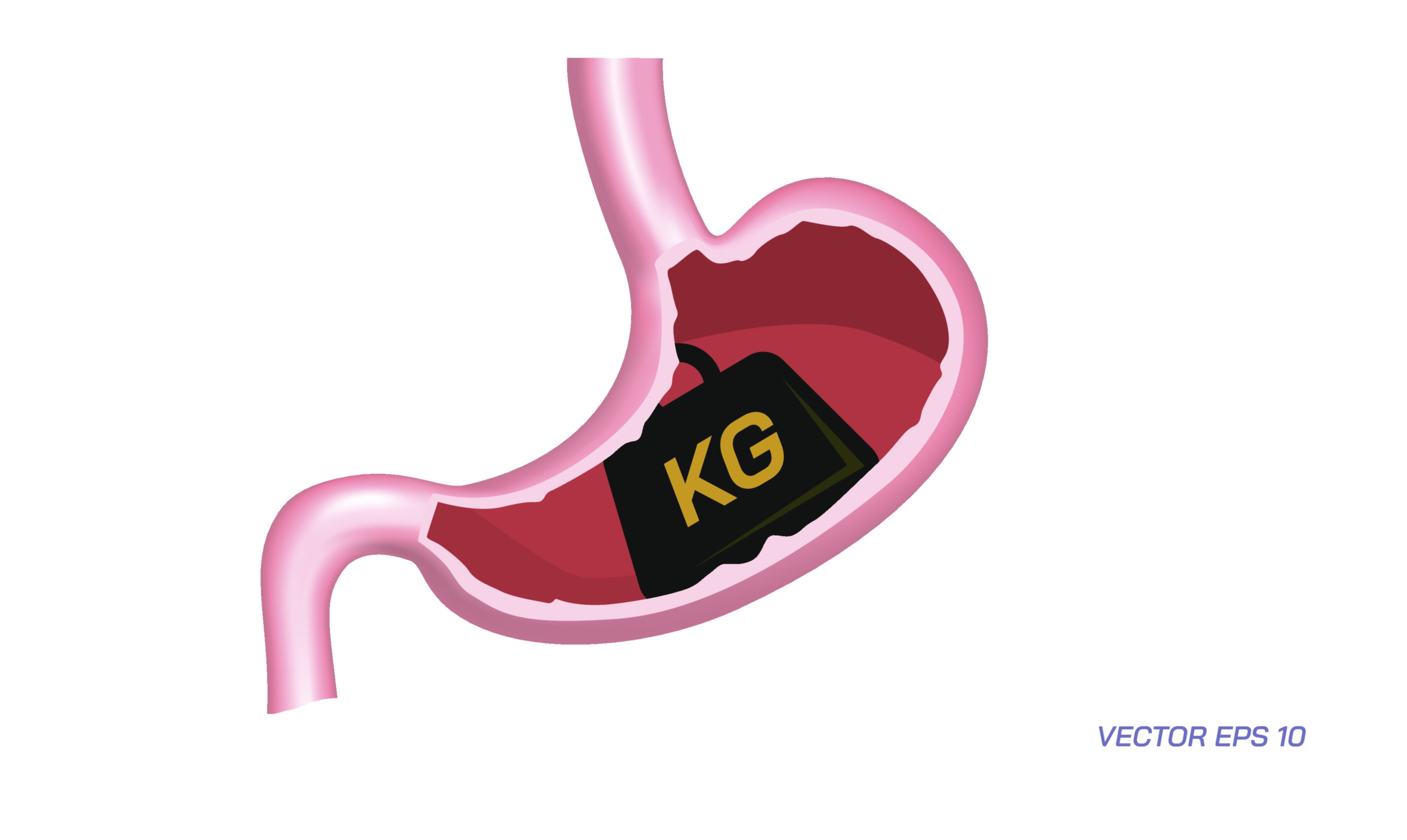
One of the most widespread causes of abdominal heaviness is slow gastric emptying, meaning that food remains in the stomach for longer than usual before moving into the small intestine. The stomach empties in response to stretching, hormones, and food composition, and when this timing becomes delayed—because of heavy meals, high-fat foods, overeating, or eating too quickly—the stomach becomes distended and begins to communicate discomfort. People often describe this sensation as if the food is “just sitting there,” creating weight or stubborn fullness even hours after eating. This is not because food literally becomes heavier but because the muscles of the stomach must work harder and longer, which creates a deep pressure sensation. Individuals who regularly eat large evening meals or lie down soon after eating may notice this pattern more frequently. Educational awareness highlights how mealtime habits, portion size, chewing speed, and timing influence the speed of digestion and how simple adjustments—such as eating smaller, more frequent meals, avoiding heavy late-night eating, and chewing thoroughly—can significantly reduce the feeling of heaviness.
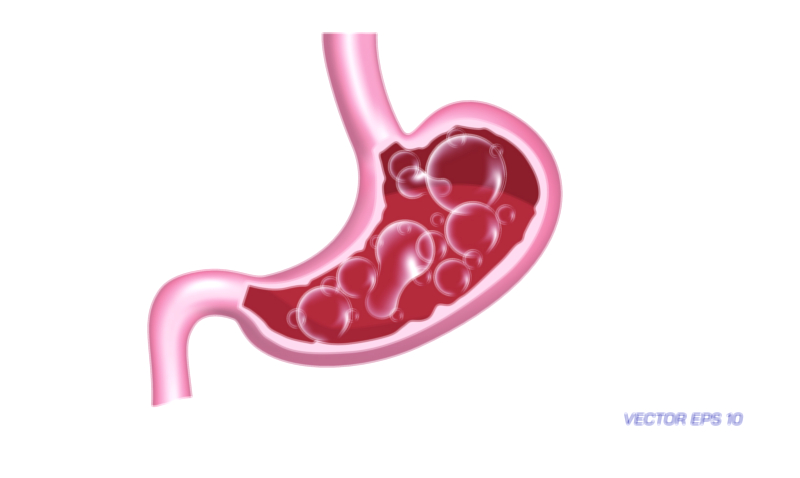
Another major contributor to abdominal heaviness involves gas accumulation and bloating. When gas collects inside the stomach or intestines, the abdomen stretches outward, increasing pressure on surrounding organs and creating a weighed-down feeling even if food volume is not excessive. Gas buildup may result from swallowing air when eating too fast, drinking carbonated beverages, or chewing gum. It can also originate from fermentation of partially digested food by intestinal bacteria, especially after eating high-fiber or gas-producing foods such as beans, lentils, dairy (in those with lactose intolerance), cruciferous vegetables, or highly processed carbohydrates. The physical pressure of gas inside the digestive tract presses against the abdominal wall, causing tightness, heaviness, and an urge to loosen clothing or lie down. While occasional bloating is normal and typically harmless, persistent heaviness after meals may suggest an imbalance in gut bacteria, insufficient digestive enzymes, or sensitivity to certain food groups. Recognizing patterns—for example, heaviness after dairy, gluten-containing foods, or fried meals—often provides valuable clues toward lifestyle adjustments or medical evaluation when necessary.
Constipation is another frequent but often overlooked source of abdominal heaviness. When stool moves too slowly through the intestines, water continues to be absorbed, making stool hard and difficult to pass. Waste accumulation creates physical pressure inside the abdomen, producing a sense of heaviness, fullness, or even a dragging sensation. Many people do not associate constipation with stomach heaviness because the symptom is not limited to bowel movement difficulties; heaviness may appear hours before any urge to use the toilet. Diet low in fiber, insufficient hydration, sedentary lifestyle, stress, and ignoring bowel urges are common contributors. From a medical education viewpoint, abdominal heaviness associated with constipation is the body’s way of signaling slowed intestinal movement rather than disease. Increasing fiber intake gradually, drinking more water, and engaging in regular physical activity often resolve the sensation naturally. However, persistent constipation accompanied by sharp pain, blood in stool, or unexplained weight changes warrants professional evaluation.
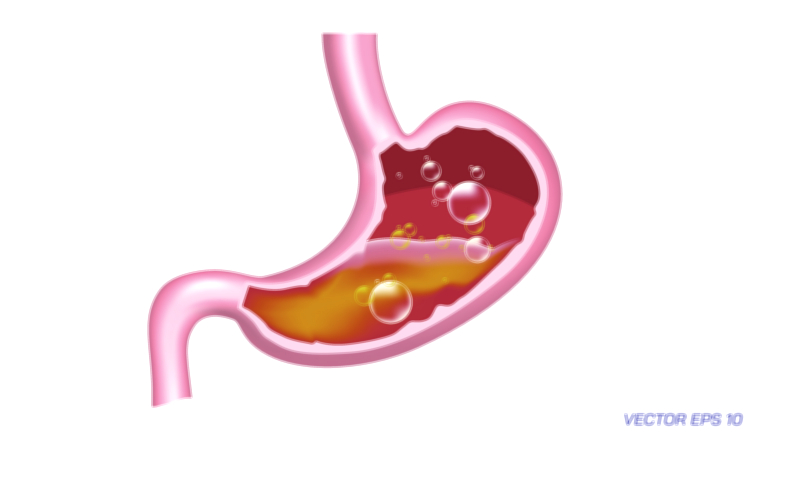
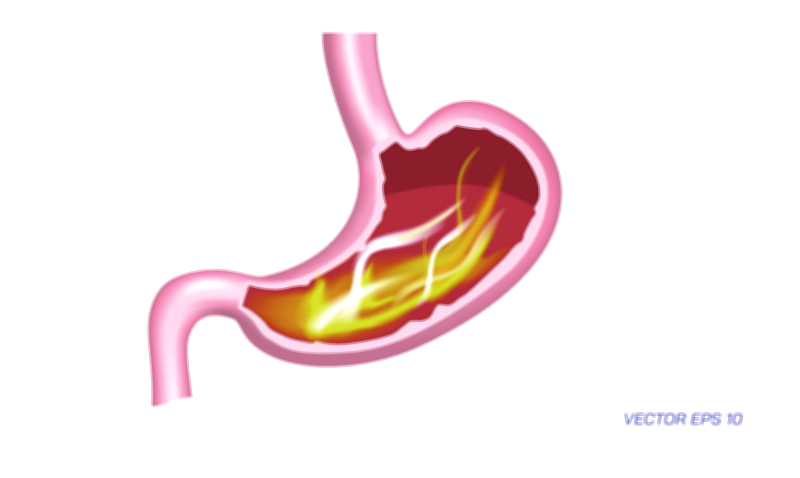
Another important cause of stomach heaviness involves acid-related irritation such as gastritis or mild acid reflux. When the stomach lining becomes inflamed—whether due to infection, stress, spicy foods, excessive caffeine, alcohol, or certain medications—the discomfort can manifest less as burning and more as a deep pressure or heaviness in the upper abdomen. A person might feel full too quickly while eating or feel that the stomach is burdened even by small meals. This sensation reflects inflammation of the stomach tissue and altered acid secretion, which can interfere with normal digestive flow. Gastritis-induced heaviness may accompany nausea, a sour taste, belching, or decreased appetite. When heaviness stems from acid imbalance, foods high in fat or acidity, large meals, and late-night eating typically worsen the symptom. Educational awareness allows individuals to identify food triggers and avoid patterns that intensify inflammation while also recognizing when to seek medical care for persistent symptoms.
Another category of abdominal heaviness relates to digestive sensitivity or intolerance to certain foods. Lactose intolerance, gluten sensitivity, high-fat intolerance, and reactions to artificial sweeteners may all create a prolonged heavy or weighted stomach sensation. This occurs because the body struggles to break down specific components of food, causing slow digestion and fermentation rather than smooth breakdown and absorption. Individuals often describe feeling tired or sluggish after meals when intolerances are involved. Heavy stomach sensation associated with food sensitivity may also occur alongside bloating, gas, alternating bowel patterns, or headaches. These patterns are helpful educational tools because they encourage individuals not to ignore persistent discomfort but instead to explore whether particular foods repeatedly trigger heaviness, signaling the need for diet modification or medical advice.
In some cases, abdominal heaviness reflects underlying stress or emotional strain. The gut and brain communicate continuously through the enteric nervous system, and stress can slow digestion, change acid secretion, and alter motility. Many individuals experience a heavy stomach sensation during periods of tension, anxiety, or emotional fatigue, even without overeating or indigestion. This happens because stress hormones divert blood flow from digestion to the muscles and brain, leaving the digestive tract temporarily underactive. Foods remain in the stomach longer, the abdomen feels weighed down, and appetite changes may follow. Learning about this gut–brain link helps individuals understand that digestive symptoms can emerge even without dietary triggers, and managing stress becomes an essential aspect of solving abdominal heaviness rather than focusing only on food or medication.
Although most causes of abdominal heaviness are temporary and functional, medical awareness remains important because heaviness that persists or worsens can signal deeper health issues such as gallbladder disease, peptic ulcers, pancreatic disorder, inflammatory bowel disease, or bowel obstruction. Warning signs that should never be ignored include abdominal heaviness accompanied by persistent vomiting, inability to pass stool or gas, unexplained weight loss, blood in stool, severe lower right abdominal pain, fever, or progressively worsening pain. These symptoms do not necessarily mean serious disease is present, but they do require medical evaluation rather than self-management. The educational goal is not to alarm but to provide clarity: most heavy stomach episodes are harmless and reversible, but certain patterns require professional intervention.
One of the most valuable educational lessons about abdominal heaviness is that the body provides multiple opportunities to correct digestive imbalance before problems become severe. Individuals who pay attention to the timing of heaviness—whether it follows large meals, dairy intake, stress, alcohol, or bowel irregularity—gain practical insight into how to prevent recurrence. When heaviness fades through small lifestyle adjustments such as lighter meals, increased hydration, reduced trigger foods, mindful eating, or stress management, the digestive system confirms that the discomfort was functional rather than structural. Conversely, when heaviness continues despite thoughtful self-care, it becomes a signal to seek evaluation without delay.
Ultimately, understanding abdominal heaviness transforms an uncomfortable symptom into a useful piece of information. Instead of confusion or anxiety, individuals gain perspective: heaviness arises when digestion is working harder than usual, when food or gas accumulates, when inflammation interrupts normal activity, or when stress alters digestive rhythm. The goal of medical education on this topic is not to eliminate occasional digestive discomfort entirely—because no digestive system is perfect every day— but to help individuals interpret heaviness as a message from the body. With this awareness, people learn to respond calmly and intelligently, adjusting habits when appropriate and seeking medical advice when symptoms persist or intensify. Through this combination of knowledge, attention, and action, abdominal heaviness becomes not a source of worry but an opportunity to support long-term digestive health and whole-body well-being.