Human Kidney Issues and Diseases — Causes, Symptoms, and Impact on the Body’s Filtration and Regulation System
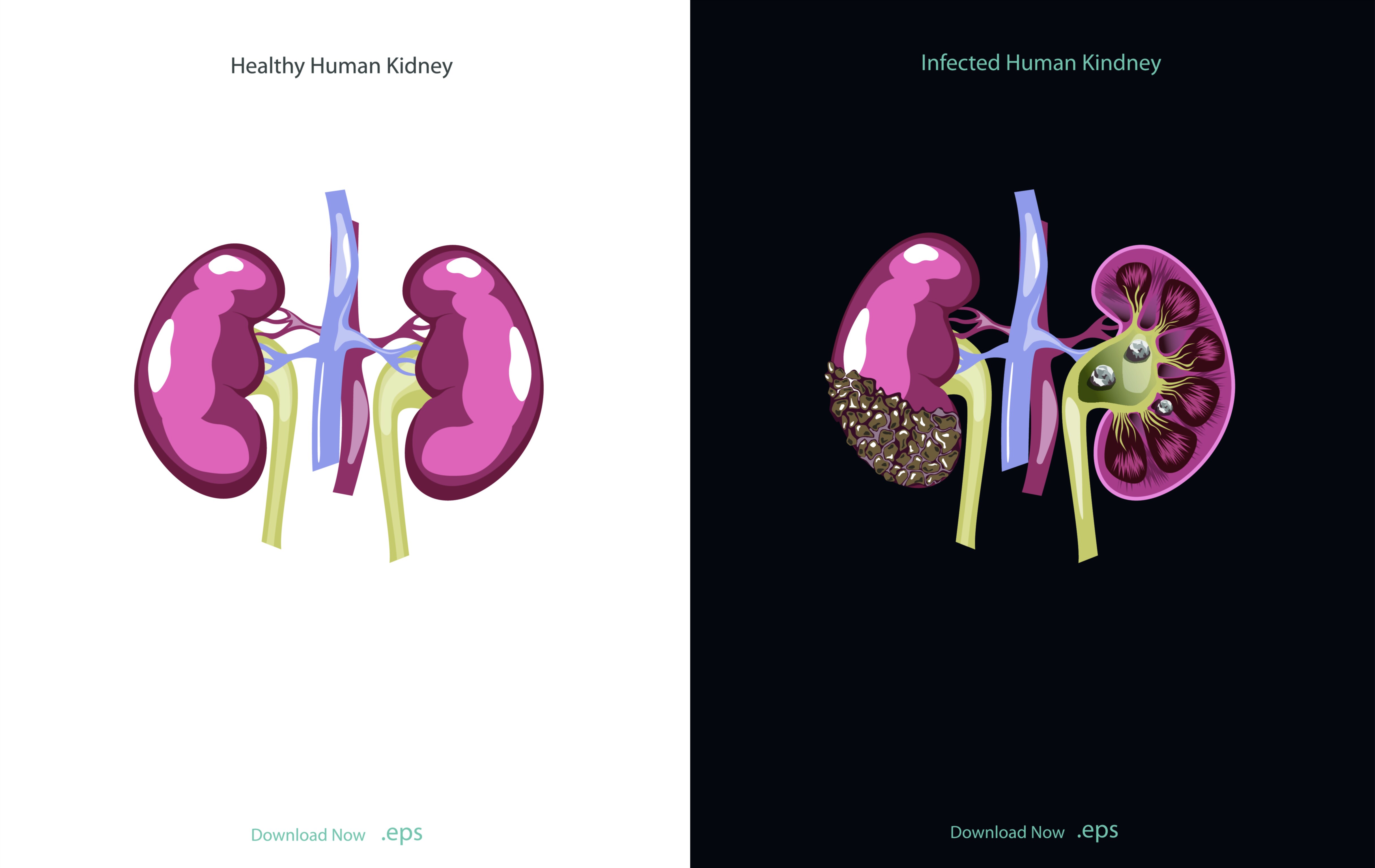
The human kidneys perform silent yet vital duties every moment of life, filtering blood, removing metabolic waste, regulating water and electrolyte balance, controlling pH, managing blood pressure, and supporting red blood cell production. When the kidneys become damaged or diseased, these interconnected responsibilities begin to break down, and the effects ripple through virtually every system of the body. A vector illustration showing kidney issues and diseases typically highlights unhealthy kidney structures, damaged nephrons, swelling or obstruction of the renal pelvis, infected or inflamed tissues, stones clogging the ureter, cysts displacing normal tissue, and scarring caused by long-term disease. Such visual representations help learners understand that kidney disorders are not confined to the urinary system — they threaten the entire internal balance of the body and can progress silently until severe damage has already occurred.
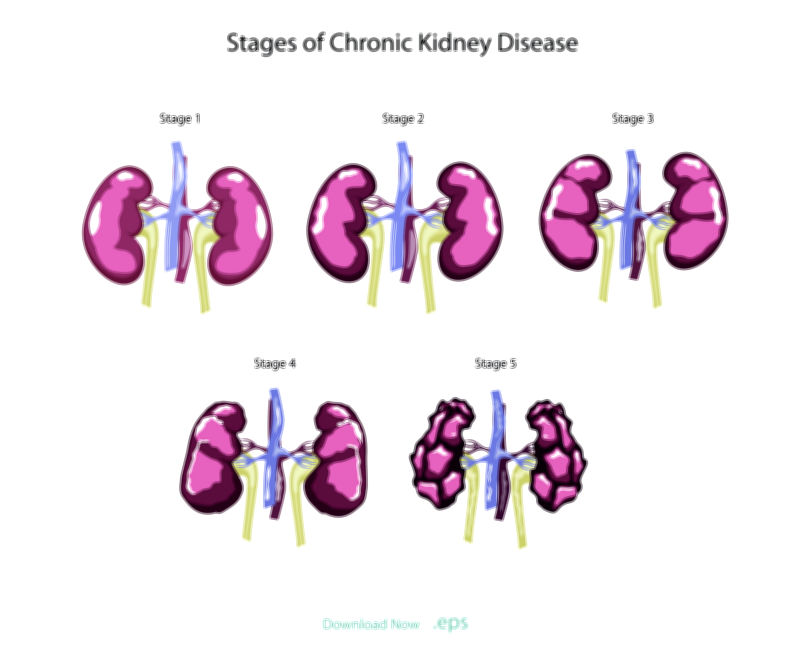
One of the most common kidney issues is chronic kidney disease (CKD), a gradual, long-term decline in kidney function often caused by diabetes, high blood pressure, autoimmune disorders, or prolonged inflammation. In early stages, CKD may cause no noticeable symptoms because the kidneys have an extraordinary ability to compensate by increasing workload in remaining healthy nephrons. But as more nephrons fail, waste products such as urea and creatinine accumulate in the blood, triggering fatigue, swelling in the feet and face, appetite loss, difficulty concentrating, and changes in urine volume. A vector illustration highlighting shrinking kidneys or scarring of the cortex helps viewers visualize how disease slowly erodes functional tissue. Without treatment, CKD progresses to end-stage renal disease (ESRD), where dialysis or kidney transplantation becomes necessary for survival.
Another major kidney disorder is acute kidney injury (AKI), a sudden loss of kidney function usually triggered by severe infection, shock, dehydration, drug toxicity, blockage of the urinary tract, or traumatic injury. Unlike CKD, which progresses slowly, AKI appears rapidly and can cause a dangerous spike in waste levels within hours or days. Illustration of blocked renal blood flow or obstructed urine pathways helps viewers understand how suddenly kidney shutdown can occur. If treated promptly, AKI may be reversible, but if left untreated, it can develop into chronic kidney disease or lead to life-threatening complications affecting the heart, lungs, and brain.
Kidney stones represent another frequent and visually identifiable disorder. They form when minerals and salts crystallize inside the kidneys and can lodge in the renal pelvis or ureter, blocking urine flow and causing severe pain, blood in the urine, and nausea. A vector illustration commonly shows sharp mineral deposits obstructing the ureter and causing swelling behind the blockage. Although most stones can pass naturally, larger stones may require shockwave treatment or surgical removal. Lifestyle factors such as inadequate water intake, high salt diets, and certain metabolic conditions increase the risk of stone formation, making hydration and diet key components of prevention.
Urinary tract infections (UTIs) that reach the kidneys become pyelonephritis, a condition characterized by inflammation, fever, chills, and flank pain. Bacteria entering through the urethra can ascend into the bladder and then spread upward to the kidney, where they trigger infection. A visual representation of inflamed calyces, reddened renal tissue, and swollen pelvis gives viewers a clear picture of how infection affects kidney structure. Repeated infections can scar the kidney and contribute to long-term functional decline, especially in children or individuals with urinary blockages.
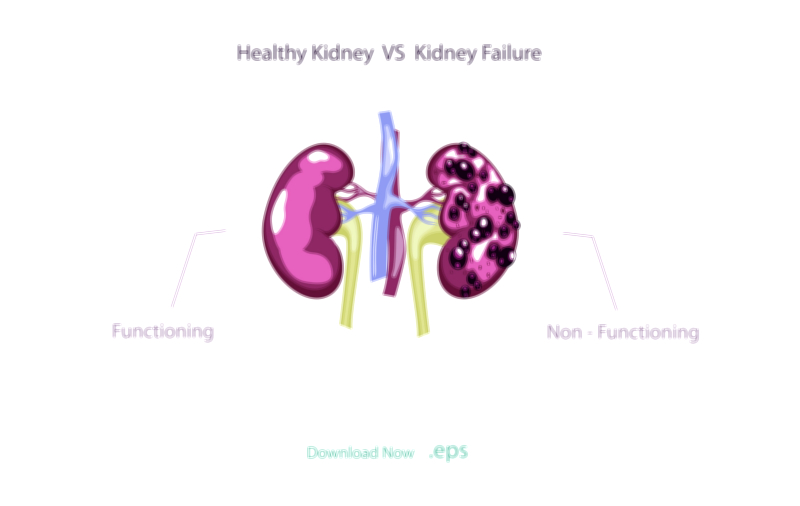
Structural disorders such as polycystic kidney disease (PKD) dramatically reshape the kidneys as clusters of fluid-filled cysts grow inside them. Over time, these cysts crowd out healthy tissue, enlarge the kidneys, and impair filtration. An illustration of enlarged, bubble-like cystic structures helps viewers grasp the dramatic physical transformation caused by PKD. This genetic disorder often runs in families and progresses slowly over decades, leading to hypertension, pain, and eventual kidney failure if not managed.
Glomerulonephritis, an inflammatory condition affecting the glomeruli, damages the tiny filtration structures responsible for the first step in urine formation. When glomeruli become inflamed, protein and blood leak into the urine, and the body begins to retain fluid and waste. A vector illustration showing swollen glomeruli or damaged capillary loops can help students visualize why filtration efficiency declines and why edema and hypertension develop. Glomerulonephritis can be triggered by infections, autoimmune disorders, or systemic diseases such as lupus.
Obstructive conditions also contribute to kidney disease. Hydronephrosis, the swelling of the kidney due to backed-up urine, occurs when the ureter is blocked by stones, tumors, birth defects, or enlarged prostate tissue in men. The renal pelvis becomes distended, and persistent pressure gradually destroys nephrons. Illustrations highlighting a balloon-like renal pelvis emphasize how obstruction can transform kidney anatomy and threaten function if not corrected.
What makes kidney disease particularly dangerous is how long it can progress without clear symptoms. Many individuals do not realize kidney function is failing until more than half of their nephrons are already damaged. During this silent period, the kidneys continue to filter blood with increasing strain, which accelerates deterioration. Vector diagrams that contrast healthy kidneys with diseased versions — showing reduced cortical thickness, scarred medulla, inflamed tissue, or obstructed urine flow — provide a powerful visual warning of how much internal destruction can occur unnoticed.
As kidney function decreases, complications ripple through the entire body. High blood pressure becomes more difficult to control, bone strength weakens due to reduced vitamin D activation, anemia develops because the kidneys produce less erythropoietin, and swelling appears as fluid accumulates. In advanced disease, toxins affect brain function, heart rhythm, and lung fluid balance. Understanding these consequences through visual learning helps people appreciate why kidney health depends on regular hydration, controlled blood pressure and glucose levels, early treatment of infections, and routine medical checkups.
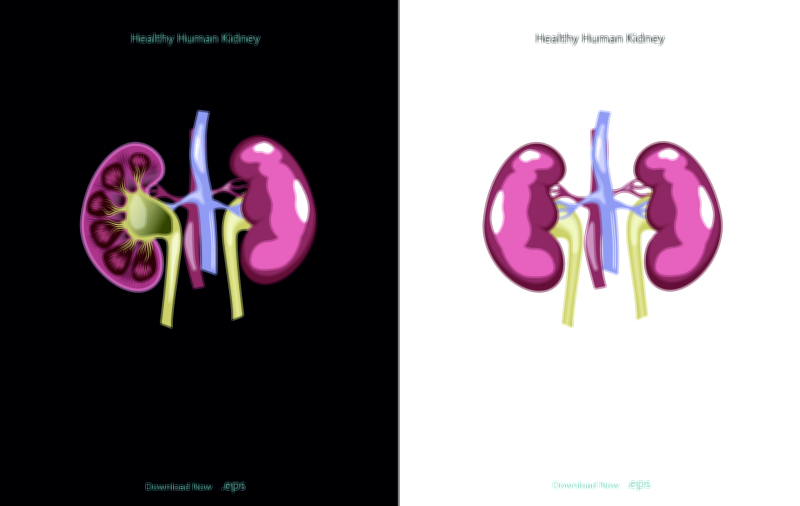
Ultimately, vector illustrations depicting human kidney issues serve as visual bridges between structure and disease. They reveal how delicate the renal filtration system is, how easily damage can occur from metabolic imbalance, infection, obstruction, inflammation, or inherited disorders, and how kidney problems can threaten total body health long before pain or symptoms appear. The anatomy of the kidney remains the same, but disease distorts its delicate architecture — reducing surface area, disrupting blood flow, destroying nephrons, blocking drainage, or altering tissue composition. Recognizing these changes visually reinforces the lesson that kidney disease does not strike suddenly without cause; it develops through identifiable pathways that science and medical care can detect, manage, and, in many cases, prevent.