Human Heart, Liver, and Pancreas — Anatomy and Organ Function Explained
The human body relies on a network of organs that operate together in harmony to maintain life, but among the most essential are the heart, liver, and pancreas. Although they serve different purposes, their functions are deeply intertwined with circulation, metabolism, digestion, hormonal regulation, and the overall stability of the internal environment. These three organs support one another continuously — the heart distributes oxygen and nutrients, the liver processes and transforms the nutrients that come from the digestive system, and the pancreas regulates blood sugar and assists with digestion. Their cooperation illustrates that survival is not dependent on a single system, but on the seamless interaction of many systems working toward one objective: balance within the body. To understand the importance of these vital organs, it is necessary to examine their structure, internal anatomy, and the roles they play every moment of a person’s life.
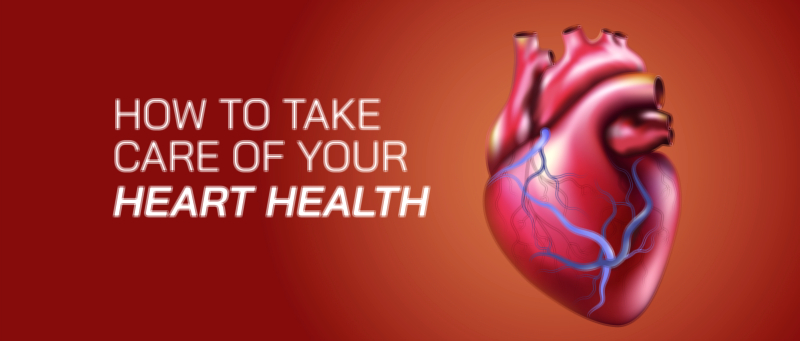
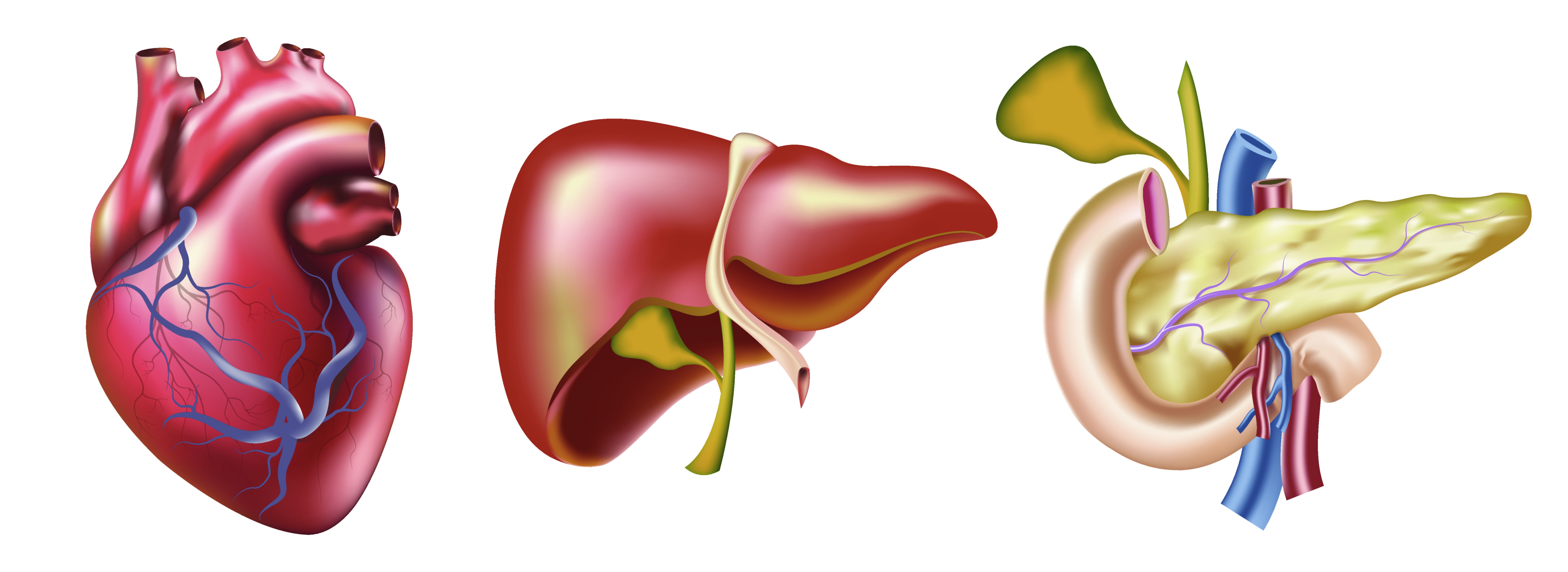
The human heart, located in the center of the chest slightly left of the midline, is a muscular pump responsible for moving blood through an extensive network of arteries, veins, and capillaries. Its muscular walls are specially adapted for rhythmical contraction, enabling the circulation of oxygen-rich blood to every part of the body and the return of oxygen-depleted blood to the lungs for reoxygenation. The heart is composed of four chambers arranged to ensure directionality of flow. The upper chambers, called atria, receive incoming blood, while the lower chambers, called ventricles, pump blood out with force. Valves positioned between the chambers and at the exits of the vessels ensure that blood flows forward rather than backward. Although the heart is continuously active, it operates with perfect coordination so that each contraction sends life-sustaining nutrients to tissues and collects waste products for removal. The heart’s work is not only mechanical but also electrical — a conduction system generates rhythmic impulses that trigger each contraction in a timed sequence, allowing the chambers to fill and empty efficiently. When the heart works properly, every other organ in the body receives the resources it needs; when the heart struggles, the entire system is affected because circulation is the foundation of physiological function.
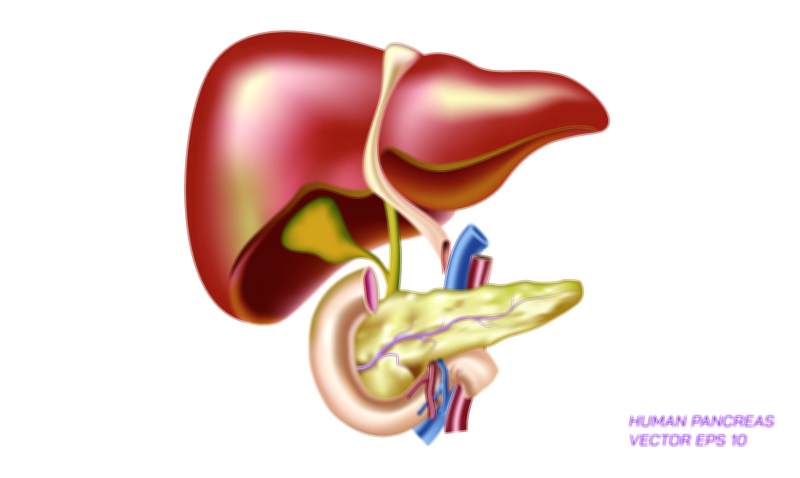
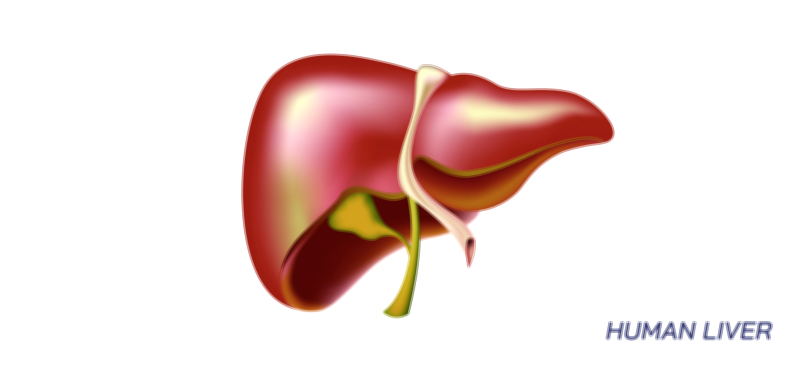
While the heart circulates blood, the liver — located in the upper right region of the abdomen — serves as the central processing and detoxification organ for the body. The liver receives nutrient-rich blood from the digestive system and transforms these nutrients into forms that the body can use, store, or remove. It breaks down carbohydrates, fats, and proteins to generate usable energy and synthesizes important biomolecules that are critical for survival. Among its most important synthetic functions is the production of bile, a digestive fluid stored in the gallbladder and released into the small intestine to emulsify fat, making it easier to digest. The liver also acts as the body’s metabolic filter, removing toxins, alcohol, medications, and harmful byproducts from the blood. It stores vitamins, minerals, glycogen, and iron so the body can access them when needed and regulates blood levels of nutrients by either storing excess or releasing reserves. Because every nutrient absorbed from the intestines passes through the liver before entering the general circulation, the liver acts as the body’s quality-control center, ensuring that cellular environments remain safe, stable, and well supplied. Its regenerative ability is one of the most extraordinary biological features — even after significant injury, the liver can rebuild itself, highlighting its essential role in survival.
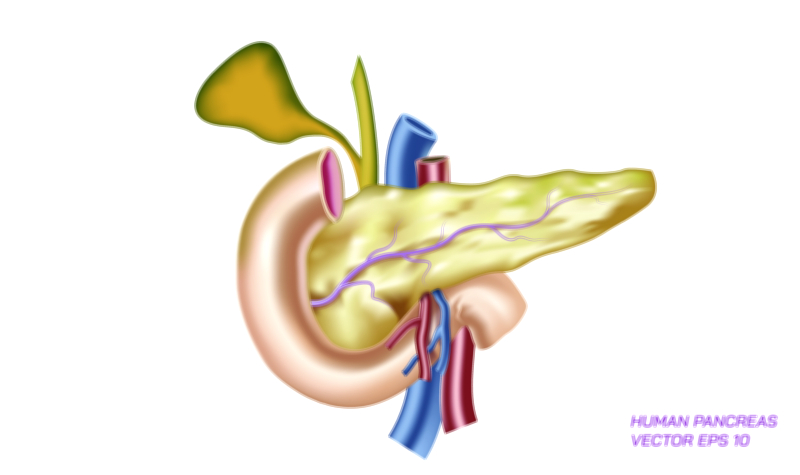
The pancreas, positioned behind the stomach deep in the abdomen, performs a dual function that connects digestion with hormonal control. Part of the pancreas serves as an exocrine gland, producing digestive enzymes that flow through a duct to the small intestine. These enzymes break down proteins, carbohydrates, and fats so that nutrients can be absorbed into the bloodstream. Without pancreatic enzymes, even a balanced diet could not nourish the body properly because nutrients would pass through the digestive tract unused. The pancreas also functions as an endocrine organ by releasing hormones directly into the bloodstream. Among these hormones, the most essential are insulin and glucagon, which work together to maintain stable blood sugar levels. Insulin lowers blood sugar by encouraging cells to absorb glucose, while glucagon raises blood sugar by signaling the release of stored glucose when levels fall too low. This balance ensures that the brain and muscles receive steady energy without dangerous fluctuations. The pancreas is therefore both a digestive regulator and a metabolic stabilizer, ensuring that the food the body consumes becomes fuel and that energy levels remain consistent with physiological needs.
Although the heart, liver, and pancreas have distinct roles, they operate as components of a single interdependent system rather than isolated parts. The liver depends on the heart to deliver oxygenated blood for fuel and to carry away the nutrients and metabolic products it processes. The pancreas depends on the liver to store and release glucose in response to the endocrine signals of insulin and glucagon. The heart depends on both the liver and the pancreas, because without metabolic regulation the energy supply required to sustain cardiac muscle would collapse. The liver’s production of proteins responsible for clotting ensures that the heart and vascular system can respond to injury without catastrophic bleeding. The pancreas supports the heart by regulating blood sugar, preventing excessive levels that would damage blood vessels and the heart itself, and preventing dangerously low levels that would deprive the body of energy. These interactions show that the survival of each organ is tied not only to its own structural integrity but also to its collaboration with the others.
The three organs also share another similarity: their diseases affect the entire body because their functions are too central to compensate for easily. When the heart weakens, circulation declines, leading to fatigue, organ dysfunction, and eventually life-threatening failure. When the liver becomes damaged, toxins build up in the body, digestion and energy conversion become impaired, and protein synthesis declines, affecting immunity, clotting, and metabolism. When the pancreas loses function, blood sugar becomes unstable, leading either to chronic hyperglycemia characteristic of diabetes or to malnutrition from digestive enzyme deficiency. These outcomes demonstrate how vital the continuous functioning of these organs is to long-term health.
Despite their differences, the heart, liver, and pancreas convey a powerful lesson about biology: the human body functions through the constant communication and cooperation of its internal systems. The heart supplies circulation, the liver maintains chemical and metabolic balance, and the pancreas unites digestion with hormonal control. Each is a master of its role, but none can sustain life alone. Their seamless connection forms a closed loop of support — the flow of blood, the processing of nutrients, the regulation of glucose, and the distribution of energy across tissues. Through this synergy the body sustains vitality, adapts to stress, and maintains internal stability from moment to moment.
Understanding the anatomy and functions of these organs shows not only how intricate human physiology is but also how extraordinary the balance of life is. The beating of the heart, the quiet biochemical work of the liver, and the dual digestive and hormonal orchestration of the pancreas operate constantly and unconsciously, allowing the body to move, think, grow, heal, and thrive. When viewed together, they form a living illustration of how identity, energy, and survival rely not on a single organ but on the flawless cooperation of multiple systems working in harmony within every person.