Indian Domestic LPG Gas Cylinder — Structure, Features, Safety Design, and Usage Explained
The Indian domestic LPG cylinder is one of the most widely recognized household utility items in the country, forming a core part of daily cooking in millions of homes. Although it appears as a simple metal container, its design, construction, color, pressure handling, and safety systems are the result of strict engineering, government standards, and decades of refinement. Understanding a domestic LPG cylinder in India requires an in-depth look at its materials, internal structure, valve mechanism, regulatory markings, color codes, and the reason why its design has remained consistent across brands and distributors.
The cylinder used for domestic supply in India is typically a 14.2 kg LPG cylinder, although 5 kg versions are also available. The “14.2 kg” refers to the net weight of the LPG fuel inside, not the total weight of the cylinder, which is usually around 29.5 kg when empty and can exceed 44 kg when filled. The cylinder is made from high-grade carbon steel, chosen for its ability to withstand high internal pressures, resist corrosion, and endure physical impact. This steel is thick enough to handle the liquefied petroleum gas stored inside, which exists under a pressure that allows propane and butane to remain in liquid form. The walls of the cylinder are typically seamless or welded with precision to ensure structural integrity, and the entire vessel undergoes rigorous hydrostatic testing before approval for consumer use.
One of the most recognizable features of an Indian domestic LPG cylinder is its bright red or orange-red color, a deliberate choice used across gas agencies such as Indane, Bharat Gas, and HP Gas. This color is not aesthetic but functional. Red signifies extreme flammability in safety coding and instantly communicates the cylinder’s hazard class. The vibrant color ensures visibility even in dimly lit areas, assisting both consumers and delivery workers in handling the cylinder safely. Unlike industrial gases that follow ISO color codes, LPG cylinders adhere to Indian government regulatory norms defined by the Petroleum and Explosives Safety Organisation (PESO). The consistent use of red eliminates confusion and ensures uniform national recognition.
At the top of the cylinder sits the valve assembly, one of the most critical components, as it controls gas release and prevents leakage. This valve is made from brass or special alloy metals and includes threads designed to fit domestic regulators used in Indian kitchens. The regulator itself locks onto the valve using a tight clamping mechanism, reducing the chances of accidental detachment. The valve has internal safety components such as a spring-loaded cut-off and sealing washers, and the cylinder’s neck is reinforced to support the valve during transport and use. The valve also carries a cap (known as a seal cap), which must always be in place during transport and indicates that the cylinder has not been tampered with.
A domestic LPG cylinder includes several mandatory markings embossed on the metal surface. These include the manufacturer’s name, test pressure, tare weight (empty weight), year of manufacture, batch number, and next test due date. The marking for the re-test date is crucial because LPG cylinders must undergo periodic safety inspections—usually once every 10 years—to ensure that the metal has not weakened or corroded. Cylinders that fail testing are permanently removed from circulation. These markings form part of a wider quality-control system that ensures each cylinder is traceable and remains safe throughout its service life.
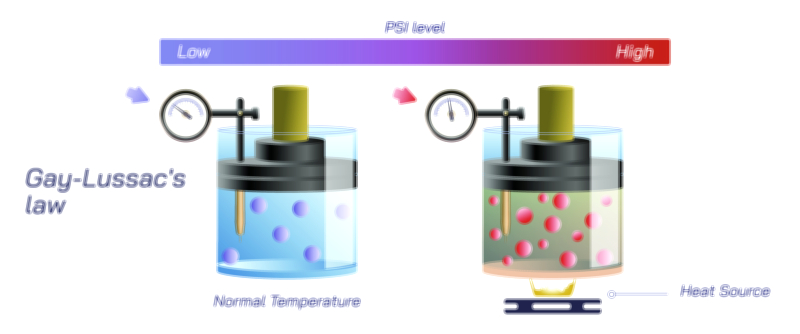
The internal design of the LPG cylinder includes features that support safe handling of liquefied gas. Inside the cylinder, no pump or electronic element exists; instead, LPG is stored in a partly liquid and partly vapor form. The vapor occupies the upper space of the cylinder and is what exits through the valve. The liquid LPG vaporizes naturally as gas is drawn from the cylinder for cooking. This phase change absorbs heat from the surrounding environment, which is why the cylinder sometimes feels cold at the bottom during heavy usage. The cylinder is never filled 100% with liquid; it is filled to roughly 85% of its water capacity, leaving expansion space to avoid dangerous pressure buildup—especially in the high temperatures common in India.
The cylinder also uses a foot ring at the bottom and a cage-like collar (shroud) at the top to protect the valve. The foot ring provides stability and keeps the cylinder upright, while the collar ensures that the valve does not get damaged during transportation or when the cylinder falls over. These protective elements are essential because the valve is the most vulnerable part; any damage to it could result in uncontrolled gas release.
Indian LPG cylinders use odorized LPG, meaning that an artificial smell (ethyl mercaptan) is added to the gas to help users detect leaks instantly. LPG itself is colorless and odorless, but the pungent smell ensures immediate awareness of even small leaks, reducing the risk of accidents. This odorization is not optional; it is strictly enforced by government safety rules and forms a crucial layer of household protection.
In domestic use, the cylinder connects to a gas stove through a rubber hose or reinforced thermoplastic pipe, regulated by a pressure regulator. The regulator drops the cylinder’s internal pressure to a safe working pressure for cooking. Over the years, India has moved from older clip-on systems to newer double-locking regulators with improved safety features. Many households also use LPG leak detectors, which provide additional safety reinforcement.
The Indian LPG distribution system functions through a refill-exchange model: when the gas is consumed, distributors take back the empty cylinder and replace it with a full one. Each cylinder is inspected for leaks, valve condition, weight, and seal integrity before being delivered. This system ensures that consumers always receive cylinders that meet safety and quality requirements.
In addition to the standard red 14.2 kg cylinder, India also uses blue-colored LPG cylinders for commercial use and pink or orange composite cylinders in newer premium models. However, the iconic red domestic cylinder remains the primary and most recognized version across Indian homes. Composite cylinders, made from fiber materials, are lighter and transparent to some degree, allowing users to see the gas level, but these are not yet widespread across most regions.
Understanding the Indian domestic LPG cylinder involves recognizing its engineering sophistication, safety-driven design choices, and standardized appearance. Its bright red color signifies danger and ensures quick identification. Its steel body maintains high-pressure resistance. Its valve and regulator system control gas flow safely. Its markings ensure traceability, periodic testing, and safety compliance. Together, these features allow the cylinder to function as a reliable, efficient, and safe fuel storage solution for millions of households, playing an indispensable role in India’s everyday life, energy infrastructure, and cooking culture.