Bone Density — Understanding Its Role as a Measurement of Skeletal Health
The Fundamental Meaning of Bone Density in Human Biology
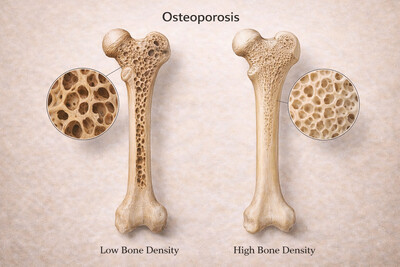
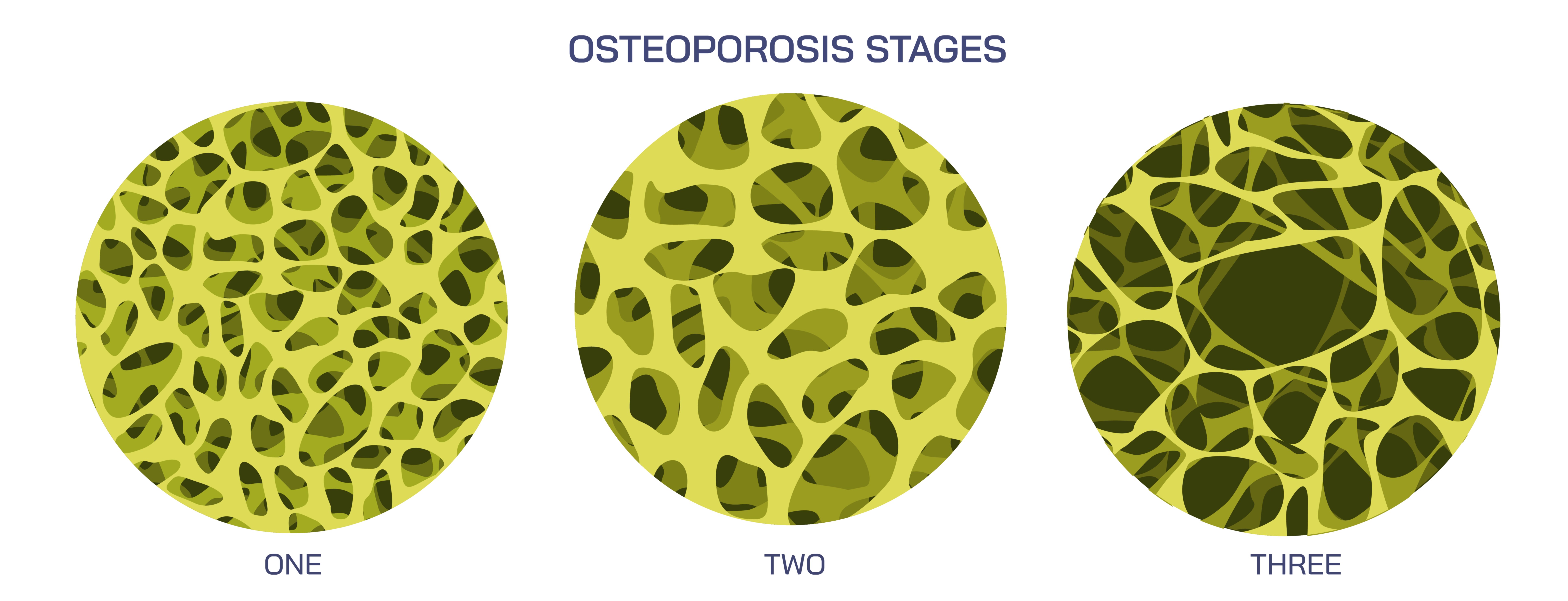
Bone density represents one of the most important indicators of skeletal health, revealing how strong, resilient, and structurally stable a person’s bones are. Rather than focusing on the size or shape of bones, bone density measures how tightly packed the internal bone material is. This reflects the overall mineral content within the bone matrix, which directly influences a bone’s ability to withstand pressure, resist fractures, and support the body through daily movement. Healthy bone density offers an essential foundation for mobility, posture, and long-term physical wellbeing. Low bone density, by contrast, signals that bones have become thinner, weaker, or more fragile. This measure allows healthcare professionals to identify early signs of bone-related diseases and helps individuals understand how lifestyle, aging, diet, and activity influence their skeletal strength.
How Bone Density Develops and Changes Over a Lifetime
Bone density is not constant throughout life; it follows a natural cycle shaped by growth, maturity, and aging. During childhood and adolescence, bones steadily accumulate strength as the body builds new tissue faster than it breaks old tissue down. This process peaks in early adulthood when bone density reaches its highest point. From this peak onward, the body’s ability to regenerate bone gradually slows, making density more vulnerable to decline. Hormonal changes, nutritional deficiencies, physical inactivity, and certain medical conditions can accelerate this process, causing bones to lose their internal strength more rapidly. For many individuals, especially older adults, a noticeable decrease in bone density can lead to increased fragility, making fractures more likely. Understanding this lifecycle helps explain why maintaining proper diet and exercise habits from an early age contributes significantly to long-term skeletal stability.
Why Measuring Bone Density Is Crucial for Diagnosing Bone Health
Bone density testing provides a reliable method for determining whether bones remain strong or have begun to weaken. This measurement is extremely important for identifying conditions such as osteopenia and osteoporosis, in which bones lose significant mineral content and become prone to breakage. Because bone loss can occur silently for years without symptoms, measurement tools such as specialized scanning procedures give medical professionals insight that cannot be gained through physical examination alone. These tests reveal subtle changes within the bone structure long before fractures occur, enabling timely intervention. Early detection empowers individuals to take corrective steps, making bone density analysis a cornerstone of preventive healthcare.
How Lifestyle Influences Bone Strength and Density Levels
Lifestyle habits deeply influence bone density throughout life. Weight-bearing exercises, such as walking, running, or strength training, stimulate the body to maintain and rebuild bone tissue. These activities encourage bones to remain active and resilient, counteracting natural declines that accompany aging. Diet also plays a crucial role, especially when it comes to nutrients that support skeletal structure. Adequate intake of calcium, vitamin D, and other essential minerals provides the raw materials the body needs to maintain bone integrity. Habits such as smoking, extreme dieting, excessive alcohol consumption, or prolonged inactivity weaken the body’s ability to preserve bone density. Even stress levels and sleep quality can indirectly affect bone health by influencing hormone balance. Through balanced lifestyle choices, individuals can support more robust skeletal systems and reduce the rate at which density declines over time.
Bone Density and the Risk of Fractures
One of the most significant reasons for monitoring bone density is its direct relationship with fracture risk. Bones with higher density are better equipped to absorb impact and resist stress, making them less likely to break during falls or sudden movements. In contrast, bones that have lost density behave more like brittle structures—they may fracture from minor bumps, everyday strain, or relatively gentle falls. These fractures often occur in areas such as the hips, wrists, or spine, where bone strength is especially important for mobility and posture. Lower bone density can also contribute to spinal compression, curvature changes, and chronic pain. By identifying density changes early, individuals can take preventive measures that significantly reduce the likelihood of experiencing severe or mobility-limiting fractures.
The Biological Role of Bone Remodeling in Maintaining Density
Bone density depends on a continuous process called bone remodeling, in which old or weakened bone tissue is broken down and replaced with new, stronger tissue. Specialized cells orchestrate this cycle, ensuring that bones adapt to physical demands and repair themselves when needed. When this balance shifts—such as when the body removes more bone than it replaces—density begins to decline. Aging naturally slows the rebuilding part of the process, making the preservation of existing bone more difficult. Factors such as hormonal changes, especially in post-menopausal women, greatly influence remodeling patterns. Understanding this dynamic helps explain why bone density changes subtly and gradually over time and why maintaining a healthy remodeling balance is essential for skeletal resilience.
How Bone Density Testing Supports Medical Decision-Making
Modern healthcare relies on bone density measurements to guide treatment plans that support long-term skeletal strength. Based on test results, doctors can recommend targeted lifestyle adjustments, nutritional supplements, or medical treatments that help slow bone loss or promote new bone growth. These interventions might include exercise programs, dietary modifications, or medications designed to stabilize or strengthen the bone structure. By tailoring treatments to the level of bone density loss, healthcare providers help individuals maintain independence, mobility, and overall wellbeing. Bone density assessment thus becomes a crucial tool in managing chronic conditions, evaluating fracture risk, and improving quality of life.
Why Bone Density Remains a Central Indicator of Healthy Aging
Bone density serves as a powerful window into overall skeletal health and longevity. It reflects how well the bones can support the body, withstand daily wear, and maintain structural integrity as the years progress. As life expectancy increases, maintaining strong and healthy bones becomes an essential part of aging well. Bone density measurements allow individuals to take proactive steps, supporting physical strength, reducing the likelihood of debilitating injuries, and preserving independence. Whether through exercise, nutrition, lifestyle habits, or medical support, the ability to influence bone density places control over skeletal health firmly in the hands of individuals. Understanding this concept reinforces the importance of viewing bones not as rigid, static structures, but as living tissues that respond to care, activity, and attention.