Artery Cholesterol Buildup — Understanding Its Role in Cardiovascular Disease
How Cholesterol Begins to Accumulate Inside Arteries
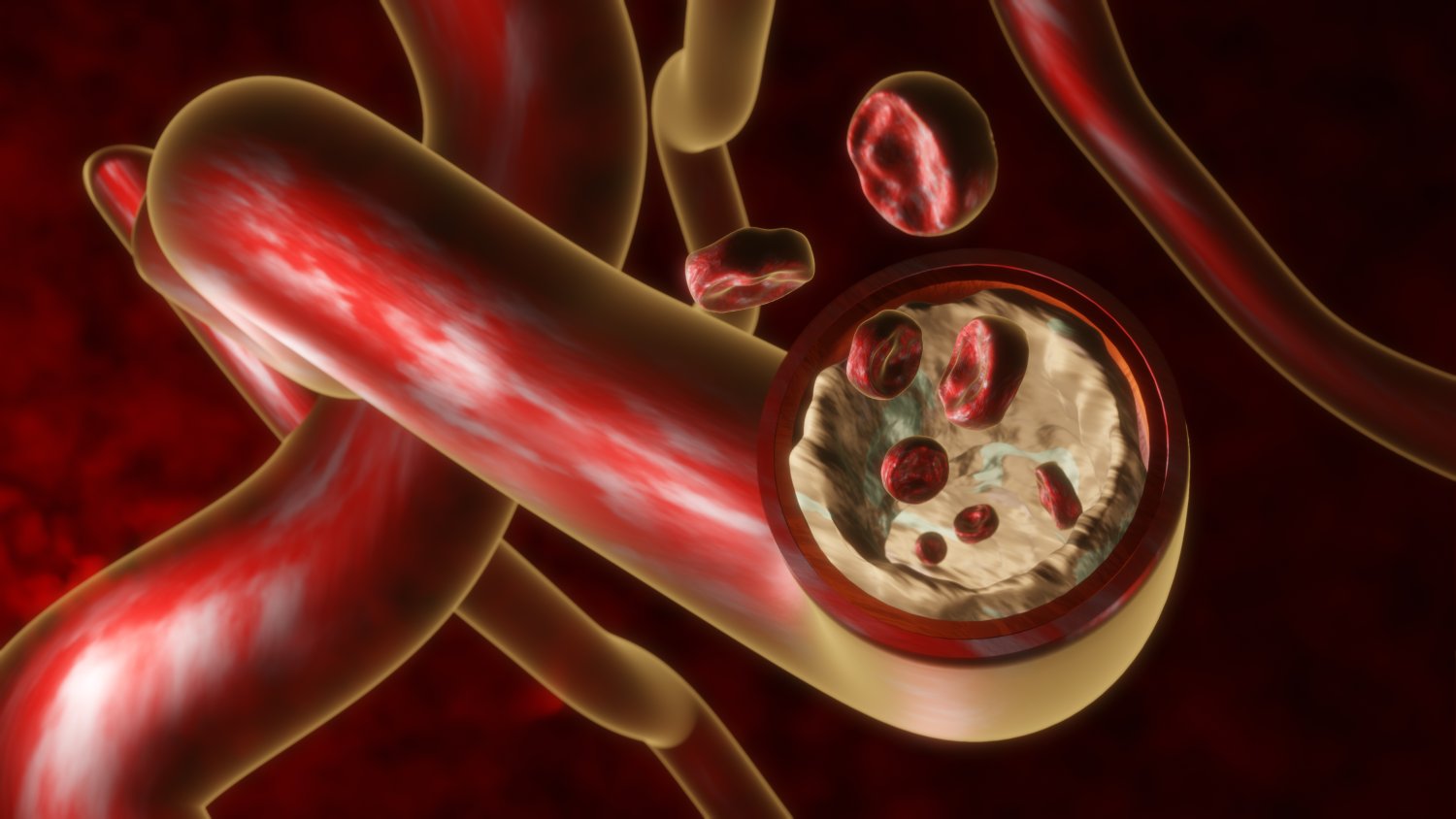
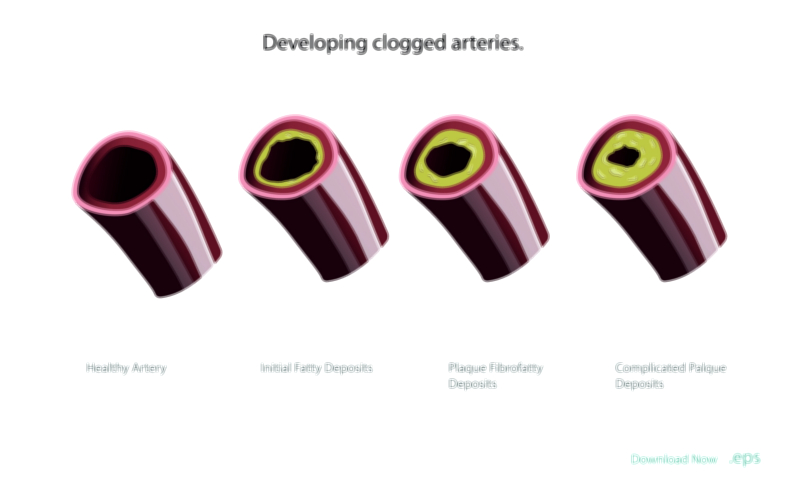
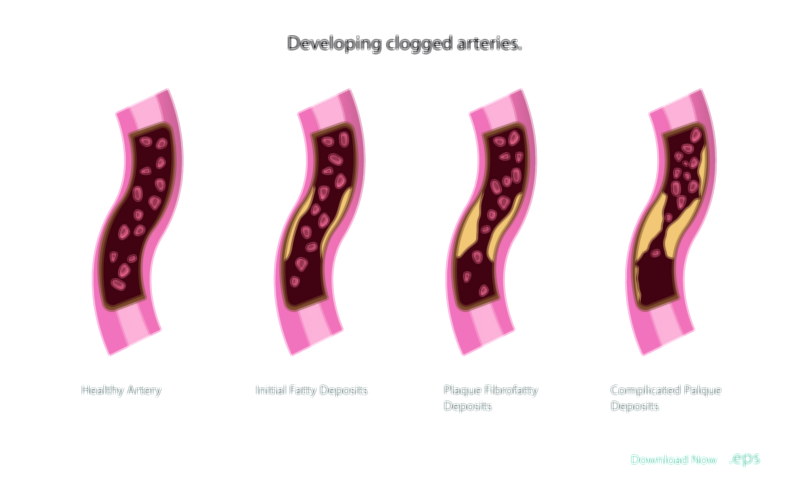
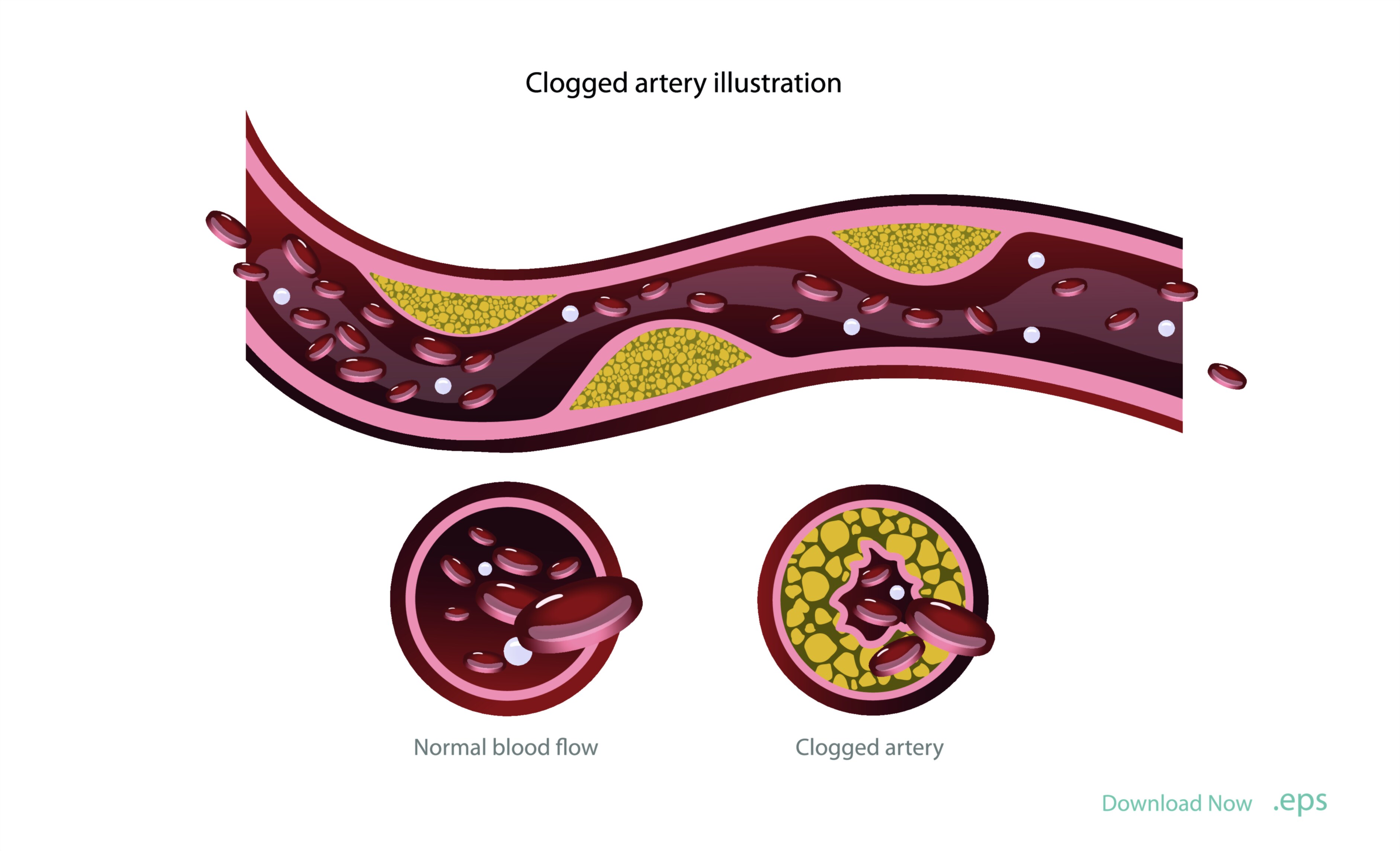
Artery cholesterol buildup is one of the earliest and most significant contributors to cardiovascular disease, beginning long before symptoms appear and progressing quietly within the walls of the arteries. In a healthy state, arteries are wide, smooth, and flexible, allowing blood to travel freely as it delivers oxygen and vital nutrients to the body. However, when the inner lining becomes irritated or weakened—often due to high blood pressure, smoking, elevated stress, or excess circulating fats—tiny injuries form along its surface. These microscopic patches attract fatty particles, particularly certain types of cholesterol that tend to adhere to damaged tissue. As these particles begin to settle into the artery wall, a soft, pale streak of buildup emerges. This initial accumulation marks the first stage of plaque formation and sets the foundation for cardiovascular disease, even though no outward signs are present yet.
How Cholesterol Buildup Develops Into Plaque
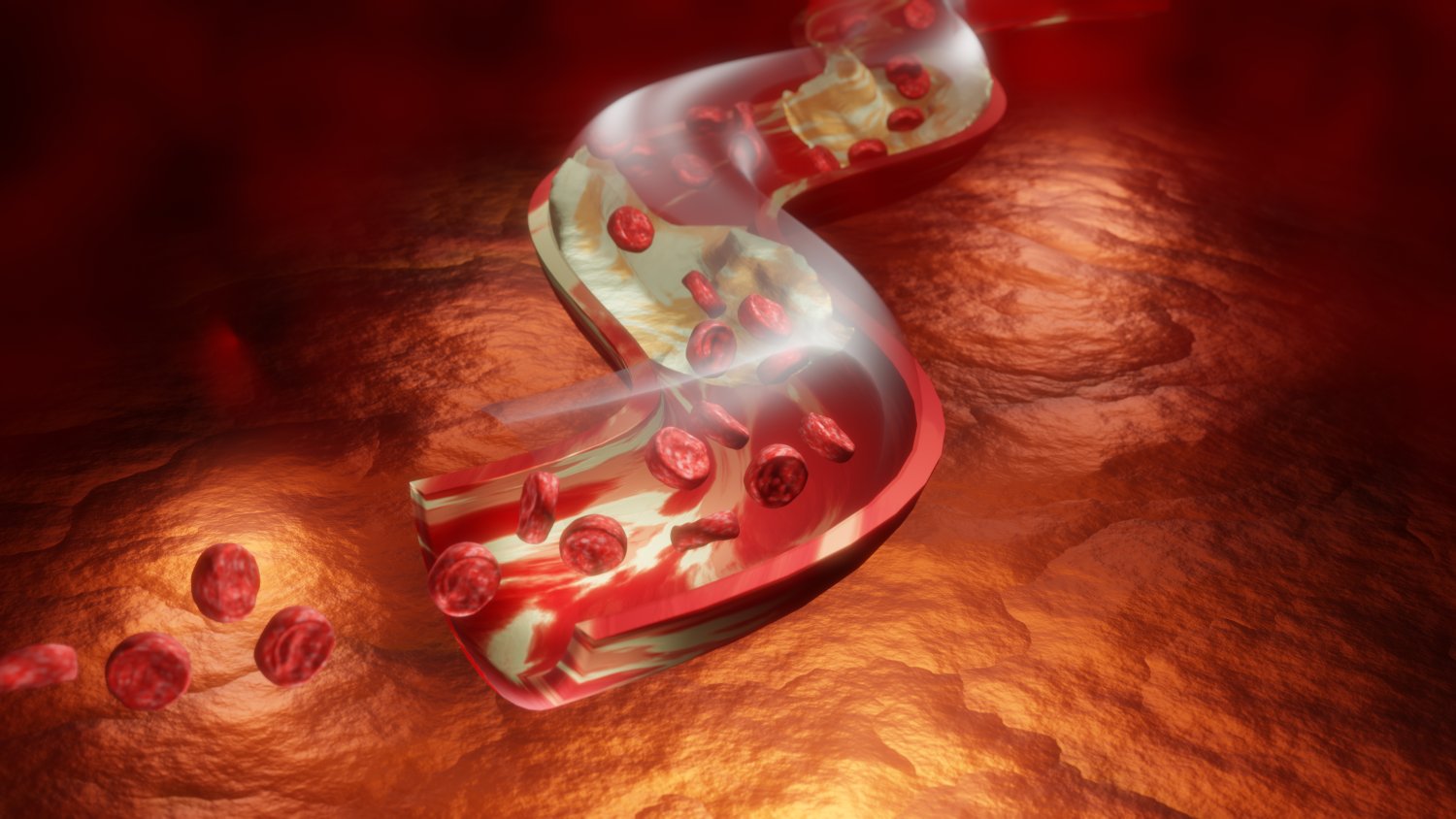
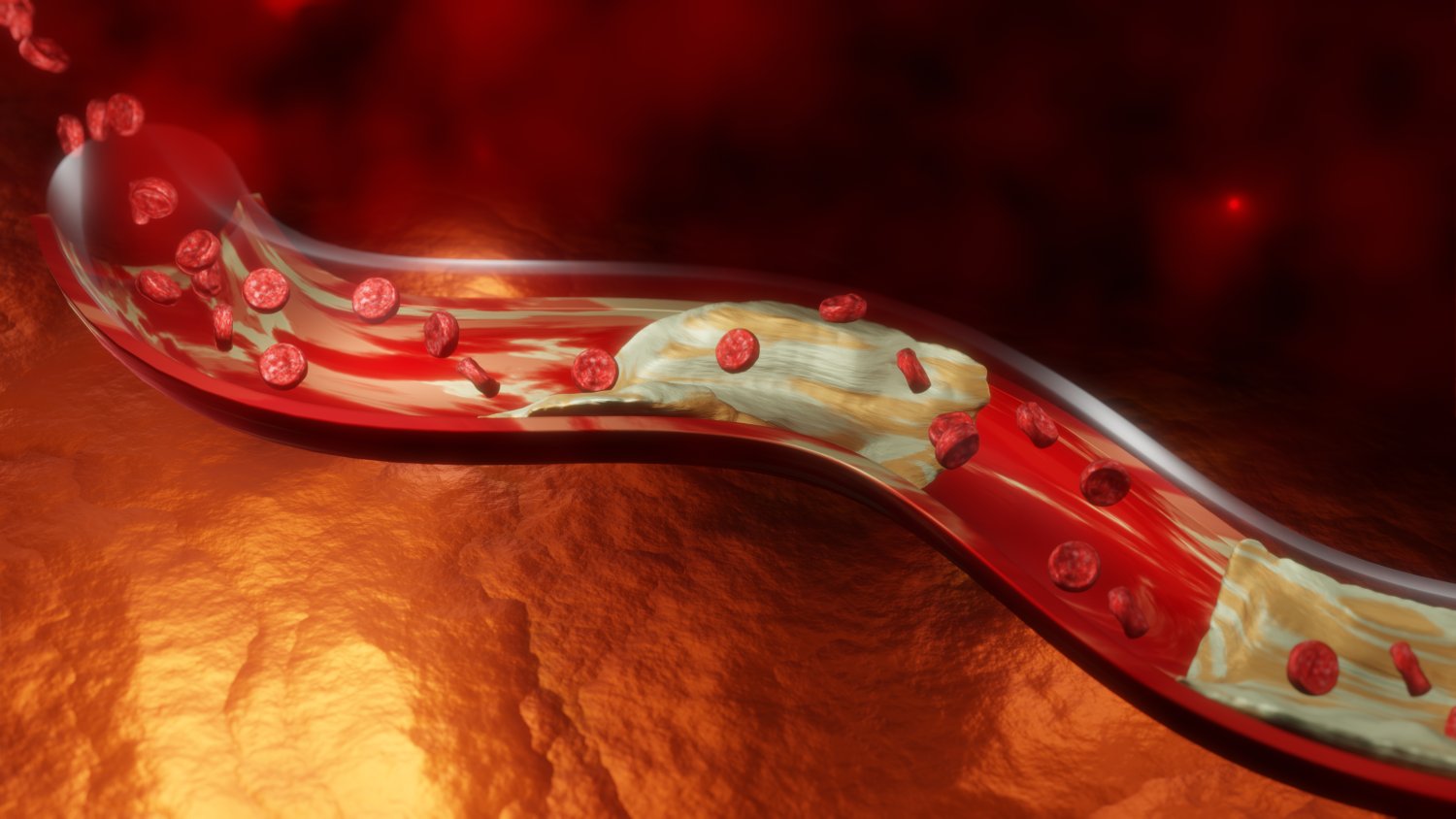
Once cholesterol enters the artery wall, the body attempts to neutralize the fatty material by sending immune cells to the site. Instead of removing the cholesterol, these cells become part of the growing mass as new layers of fat, inflammatory substances, and cellular debris accumulate. The structure gradually grows thicker and more organized, forming plaque that slowly expands into the artery’s interior space. Over time, portions of the plaque harden, creating stiff or calcified areas that reduce the natural elasticity of the vessel. This hardened buildup narrows the passageway through which blood flows, forcing the heart to work harder to push blood forward. Even in the earlier stages, when the narrowing is still moderate, the change can limit oxygen delivery during physical exertion, triggering discomfort or reduced stamina. The transformation from soft cholesterol deposits to hardened plaque is a defining step in the development of cardiovascular disease.
Why Cholesterol Buildup Impairs Circulation and Heart Function
As plaque continues to thicken, the artery’s ability to carry blood becomes increasingly compromised. Reduced blood flow means that tissues dependent on that artery—particularly the heart muscle—receive less oxygen and fewer nutrients. When the coronary arteries supplying the heart become narrowed, the heart struggles to meet its own oxygen needs, especially when activity increases or emotional stress triggers a faster heartbeat. This imbalance may cause chest tightness, pressure, breathlessness, or fatigue. In more severe cases, reduced blood flow may occur even at rest. Cholesterol buildup not only narrows arteries but also disrupts the smooth flow of blood, creating turbulence. This disturbed flow makes the artery more prone to sudden complications, especially when plaque becomes unstable or inflamed.
The Danger of Plaque Rupture and Sudden Arterial Blockage
While gradual narrowing is harmful, the most dangerous consequence of cholesterol buildup is the potential for plaque rupture. Some plaques develop fragile outer layers that weaken over time. When these surfaces crack, the body responds by forming a clot to seal the injury. However, the clot often grows large enough to block the artery completely. This abrupt blockage prevents blood from reaching the heart muscle, triggering a heart attack. When a similar event occurs in arteries supplying the brain, a stroke can result. The unpredictability of plaque rupture makes cholesterol buildup especially concerning because even arteries with moderate narrowing can suddenly become fully blocked without warning. This risk underscores the importance of identifying and managing cholesterol buildup early in its progression.
Factors That Accelerate Cholesterol Buildup in Arteries
Cholesterol buildup is influenced by multiple interconnected factors. Diets high in saturated fats, trans fats, and heavily processed foods increase circulating levels of harmful cholesterol. High sugar intake contributes to inflammation and metabolic changes that encourage plaque growth. Lack of physical activity weakens the cardiovascular system’s natural ability to manage blood fats, blood pressure, and vessel flexibility. Smoking introduces toxins that damage the artery walls, directly accelerating cholesterol accumulation. Long-term stress elevates internal pressures and hormonal imbalances that make arteries more vulnerable. Genetics also play a crucial role, with some individuals producing more cholesterol or reacting more strongly to arterial injury. Age is another major factor, as arteries lose elasticity over time, creating a more favorable environment for buildup. When several risk factors overlap, plaque formation becomes significantly faster.
Systemwide Impact of Cholesterol Buildup on Cardiovascular Health
As arteries narrow due to cholesterol buildup, the entire cardiovascular system experiences increased strain. The heart must pump with greater force to push blood through narrowed pathways, increasing its workload and affecting its long-term function. Reduced circulation affects other organs as well. The brain may receive less oxygen, leading to moments of dizziness or slowed thinking. The kidneys, which depend on steady blood flow to filter waste, may become less efficient. The limbs may experience reduced stamina or cramps due to limited oxygen supply. This widespread impact demonstrates that cholesterol buildup is not simply a localized issue but a systemic threat affecting the body’s overall vitality and long-term cardiovascular resilience.
Recognizing Early Symptoms of Cholesterol-Driven Circulatory Disease
Because cholesterol buildup progresses slowly, early symptoms may be subtle or mistaken for ordinary fatigue or stress. However, the body often gives early warning signs when circulation becomes strained. These signs may include chest pressure during activity, unexplained breathlessness, fatigue that feels disproportionate, or discomfort radiating into the arms, neck, or jaw. When buildup occurs in arteries supplying the legs, individuals may experience cramping or heaviness during walking. Reduced blood flow to the brain may cause brief confusion, light-headedness, or difficulty focusing. These symptoms reflect the cardiovascular system struggling to maintain adequate circulation and should be taken seriously.
Slowing Cholesterol Buildup and Protecting Arteries
Although artery cholesterol buildup develops slowly, individuals have tremendous influence over its progression. Regular physical activity strengthens the heart, improves circulation, and helps regulate cholesterol. A diet rich in whole foods—such as fruits, vegetables, whole grains, legumes, and healthy fats—reduces inflammation and supports healthier arteries. Avoiding smoking protects the delicate lining of the vessels, while stress management helps maintain balanced circulation and hormonal stability. Adequate sleep, hydration, and maintaining a healthy weight all contribute to slowing plaque formation. These long-term habits create an internal environment less prone to cholesterol-driven damage, helping the cardiovascular system stay resilient.
Why Understanding Cholesterol Buildup Is Key to Preventing Cardiovascular Disease
A deep understanding of how cholesterol builds up inside arteries empowers individuals to take proactive steps that protect their heart and long-term circulation. Because cardiovascular disease often begins quietly and advances over decades, awareness is one of the most powerful tools for prevention. Knowing how plaque forms, how it affects blood flow, and how lifestyle choices influence its progression inspires early action, healthier decisions, and regular monitoring. With this understanding, individuals can reduce their risk of serious complications such as heart attacks and strokes, while supporting stronger cardiovascular health throughout life.