Artery Blockage Development — Understanding the Progression of Cardiovascular Disease
How Artery Blockage Begins in the Cardiovascular System
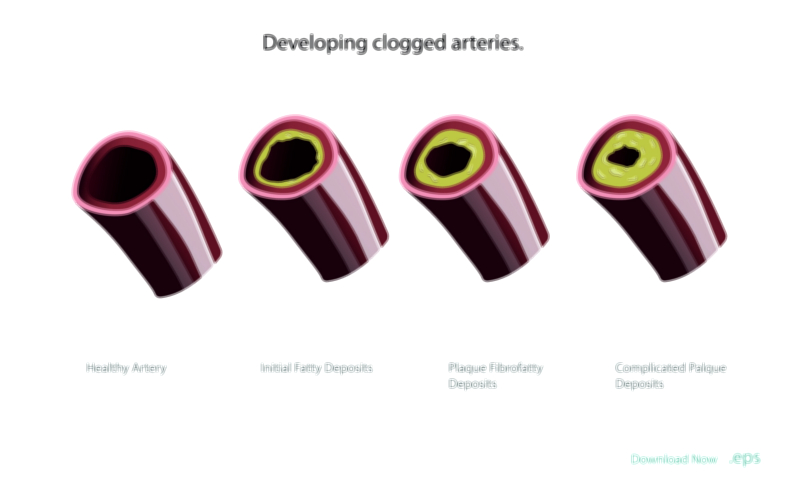
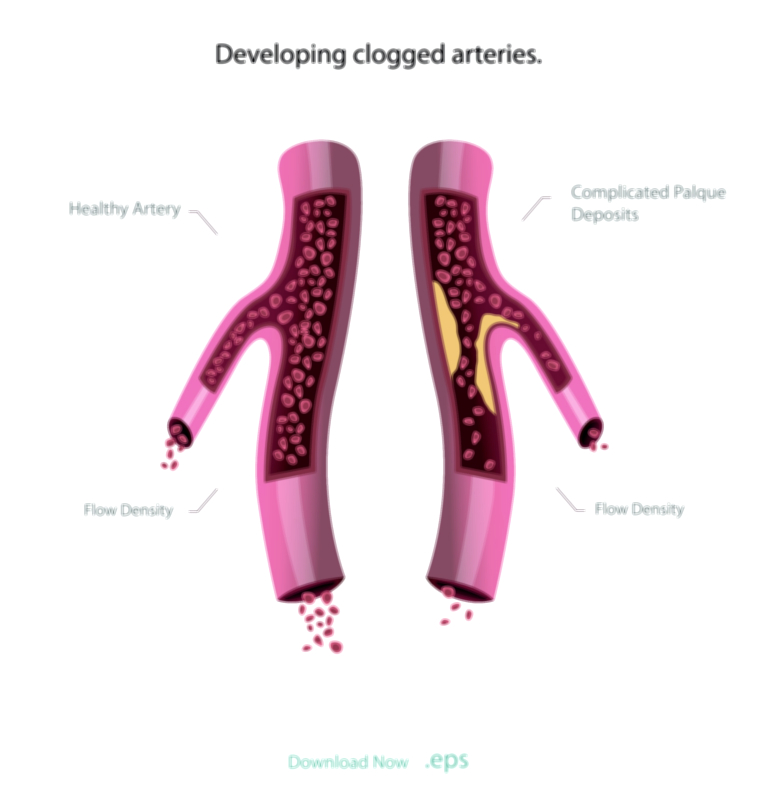
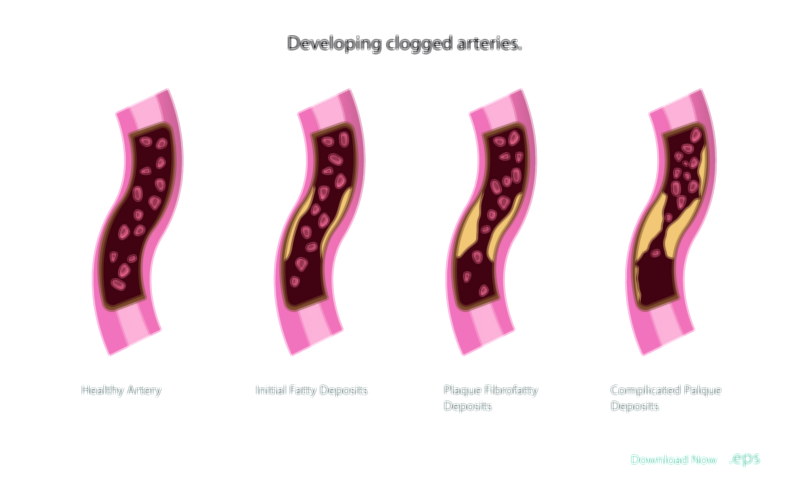
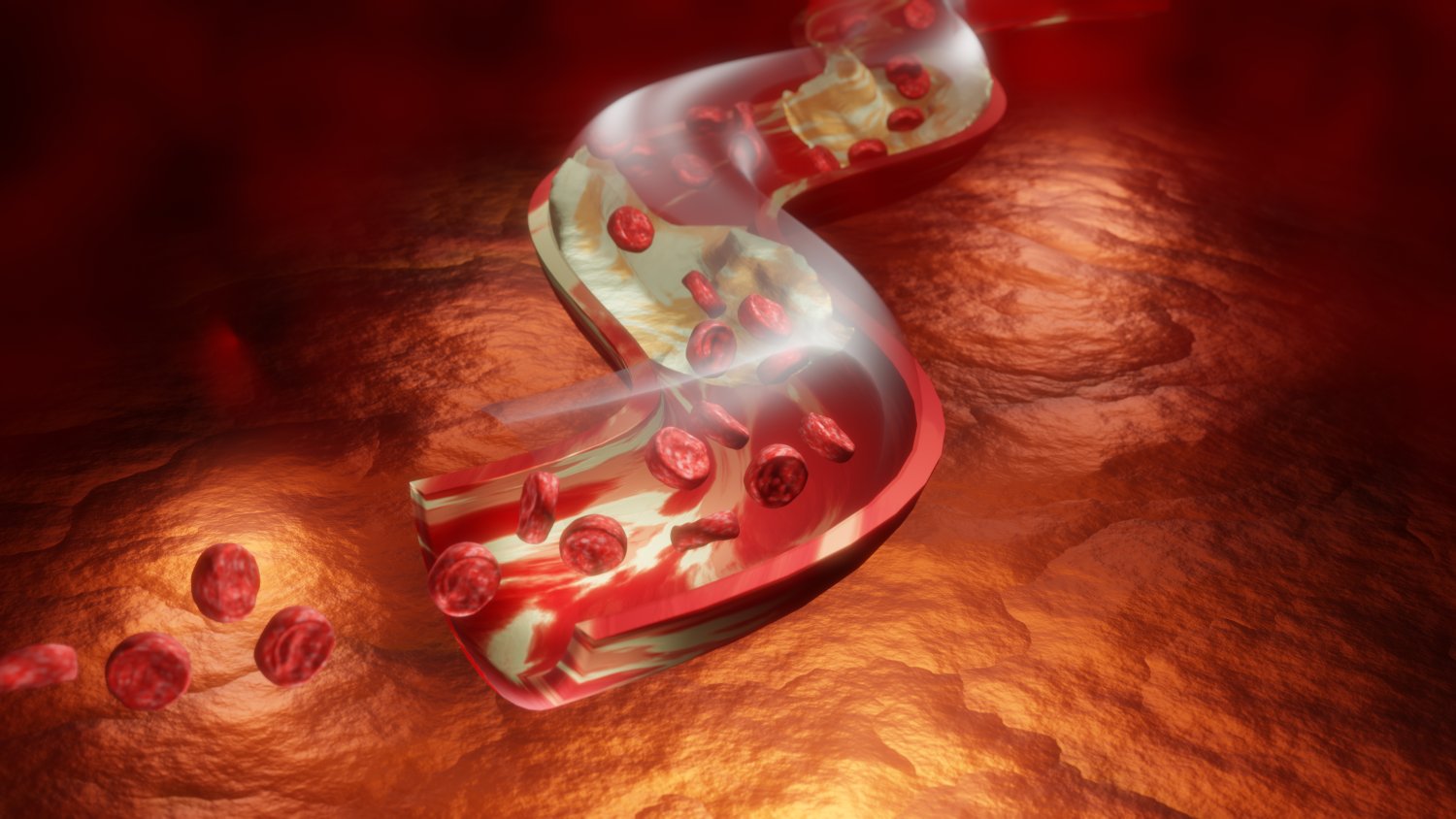
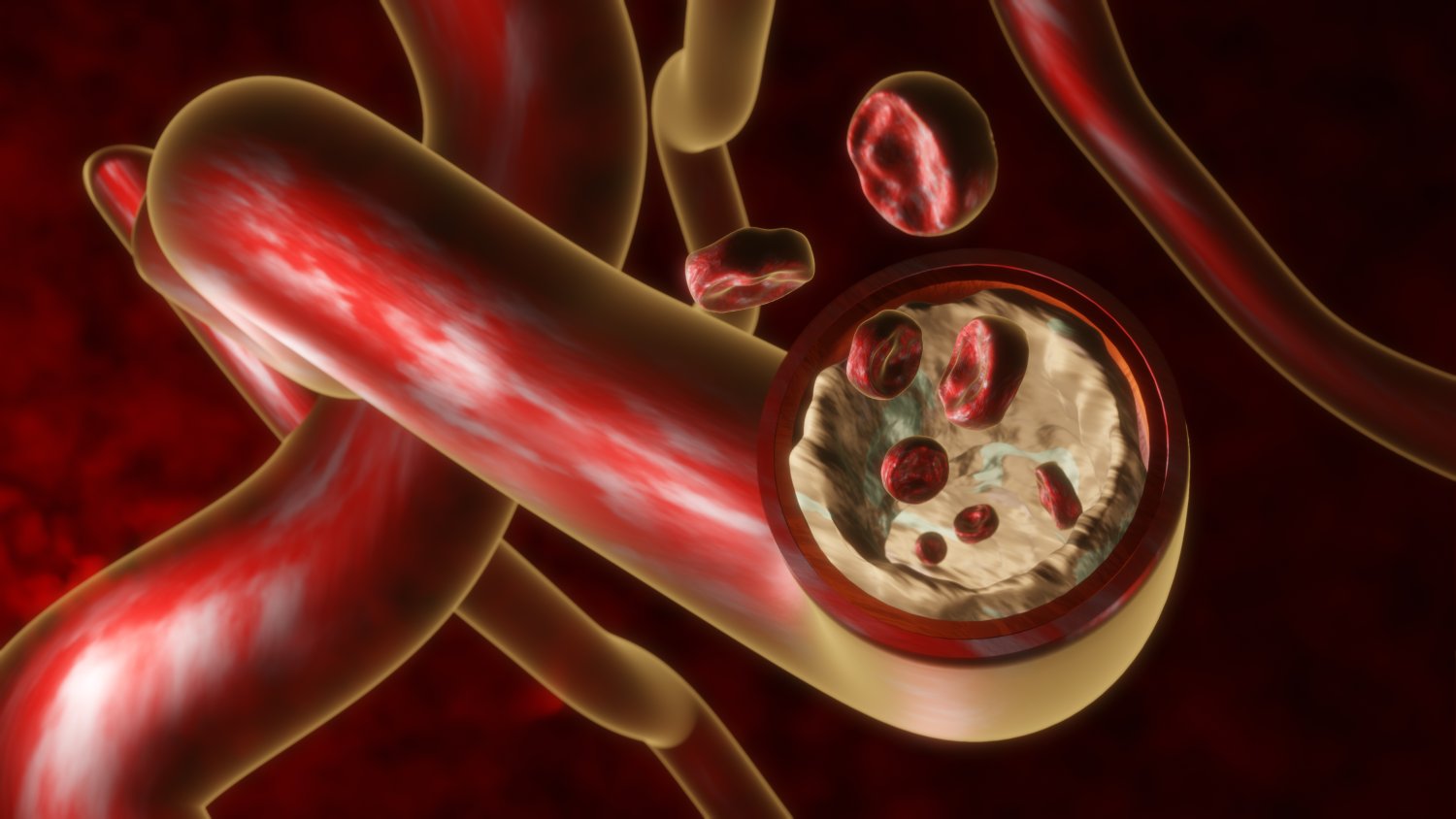
Artery blockage development is a long, gradual process that typically unfolds over many years, often without any outward signs until the narrowing becomes severe enough to disrupt normal blood flow. Inside a healthy artery, the inner lining is smooth, flexible, and designed to let blood move with ease. However, when this lining is exposed to factors such as high blood pressure, harmful dietary choices, smoking, or chronic inflammation, it begins to suffer microscopic injuries. These tiny injuries create rough patches that attract circulating particles like fats, inflammatory substances, and cellular debris. Once these materials settle into the damaged area, the body reacts defensively, sending immune cells to the site. Although these cells attempt to repair the injury, they inadvertently become trapped within the developing layer of plaque. This early stage, almost invisible to the eye, marks the beginning of arterial blockage and lays the foundation for more serious cardiovascular disease over time.
The Slow Formation of Plaque and Progressive Narrowing
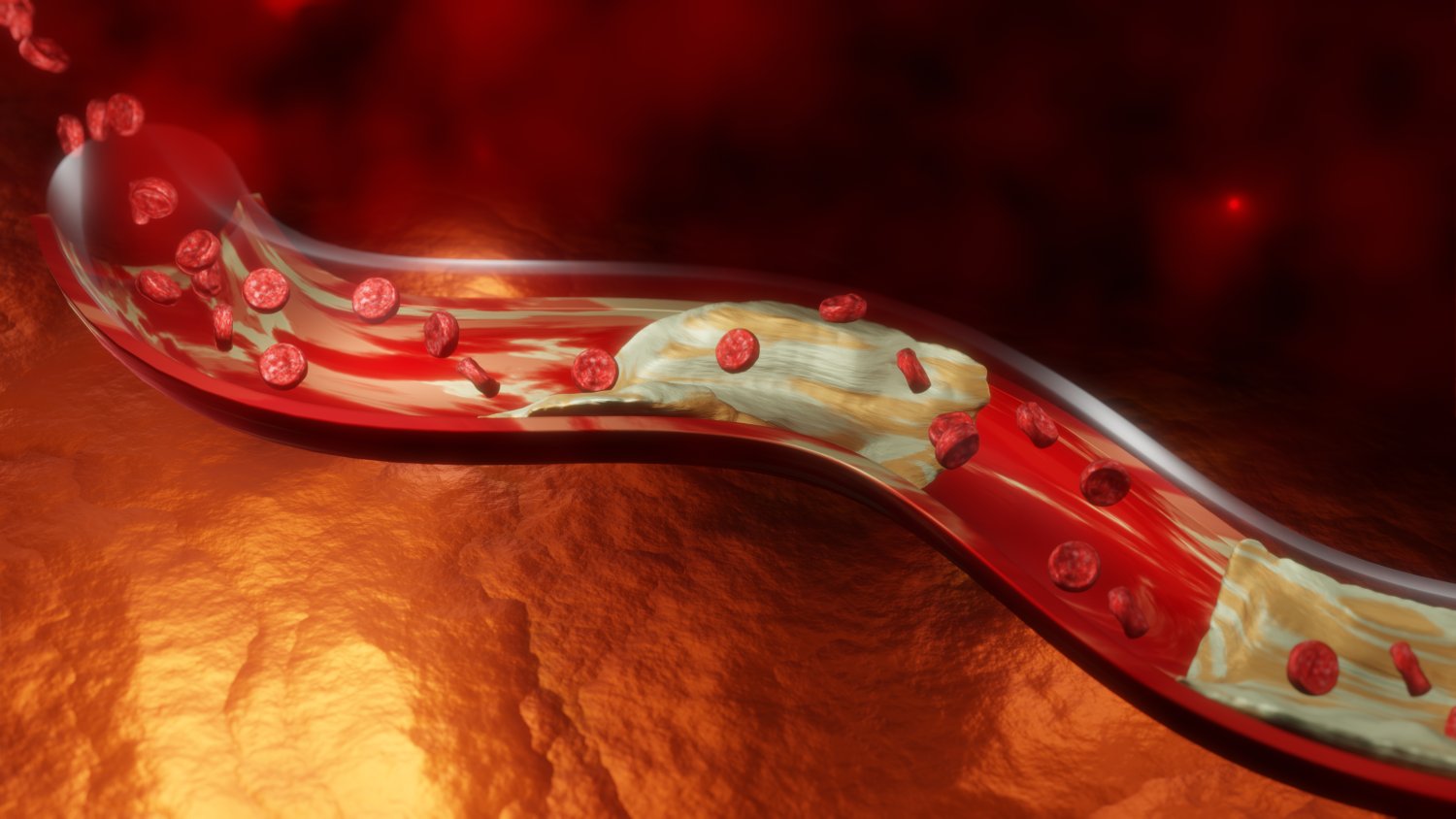
Plaque in the arteries does not form suddenly; it builds progressively through cycles of injury, buildup, and hardening. As additional layers of fatty material accumulate, the plaque grows thicker and begins to intrude into the open pathway of the artery. The vessel wall becomes less flexible and more prone to further damage, creating a self-reinforcing cycle that promotes additional plaque formation. As the plaque matures, it often becomes firmer, developing fibrous structures and mineralized sections that resemble hardened scars. This stiffening reduces the artery’s natural ability to expand and contract with each heartbeat. Over time, the once wide, adaptable passageway becomes narrow and rigid, limiting the amount of blood that can move through it. Even a moderate degree of narrowing can strain the cardiovascular system, especially during moments of physical exertion or emotional stress when organs require more oxygen-rich blood.
Why Plaque Formation Leads to Serious Cardiovascular Disease
As plaque continues to grow, it compromises the supply of oxygen and essential nutrients to the tissues that depend on the affected artery. When blockage develops in coronary arteries—the vessels that feed the heart muscle itself—the heart struggles to receive the support it needs. This reduction can cause subtle symptoms such as chest discomfort, shortness of breath, or unusual fatigue. In advanced cases, a sudden shift in plaque stability can trigger life-threatening events. A weakened or inflamed portion of plaque may rupture, exposing its interior materials to the bloodstream. The body reacts instantly by forming a clot to seal the rupture, but this clot often becomes large enough to completely block the artery. When this happens in the heart, a heart attack occurs. When it happens in the brain, it can cause a stroke. Blockage in arteries feeding the legs may lead to poor circulation, pain during walking, or tissue loss. These complications illustrate how a seemingly slow process can lead to sudden and severe consequences.
Factors That Accelerate Artery Blockage Formation
The development of arterial blockage is influenced by a combination of lifestyle habits, environmental exposures, and biological predispositions. Diets high in saturated fats, trans fats, excessive sugars, and processed foods introduce materials that are easily deposited in the arteries. Lack of physical activity reduces the body’s ability to manage blood pressure, blood sugar, and fat metabolism, creating conditions where plaque forms more easily. Smoking introduces harmful chemicals that directly injure the artery walls, accelerating plaque development and stiffening the vessels. Chronic stress further contributes by triggering hormonal responses that elevate blood pressure and increase internal inflammation. At the same time, genetics can predispose certain individuals to higher cholesterol levels or increased inflammatory responses. Age also plays a significant role, as arteries naturally lose elasticity over time, making them more vulnerable to damage and plaque accumulation. When several of these factors occur together, the progression toward cardiovascular disease becomes significantly faster.
Early Warning Signs That Indicate Developing Artery Blockage
Although artery blockage often remains silent for years, the body occasionally reveals subtle clues that circulation is being compromised. People may notice discomfort or pressure in the chest during exertion, unexplained breathlessness, or a general sense of reduced stamina. Pain or tingling in the arms, jaw, or back may occur due to poor blood flow in coronary arteries. When blockages affect arteries in the legs, individuals may experience cramping, heaviness, or numbness during walking. Reduced blood flow to the brain may manifest as temporary confusion, dizziness, or difficulty concentrating. These symptoms are often dismissed as fatigue or stress, but they may reflect the early stages of cardiovascular disease. Recognizing them early allows for medical evaluation and lifestyle adjustments that may prevent more dangerous events later.
How Artery Blockage Impacts the Entire Cardiovascular System
As arterial narrowing worsens, the heart must push harder to circulate blood through the restricted pathways. This extra effort places long-term strain on the heart muscle, causing it to thicken or weaken depending on how long the burden persists. Restricted circulation also reduces oxygen delivery to major organs, affecting their function and resilience. The brain, kidneys, and extremities may experience reduced performance, slower healing, and progressive weakness. Over time, persistent strain can lead to chronic conditions such as heart failure, severe peripheral artery disease, and cognitive decline. These widespread effects show how arterial blockage is not just a local issue but a systemic condition impacting the entire cardiovascular network.
Protecting Arteries and Slowing Disease Progression
Although artery blockage development is gradual, it can be influenced strongly by daily habits and long-term lifestyle decisions. Regular physical activity helps maintain flexible arteries, strengthen the heart, and reduce harmful deposits in the bloodstream. A diet rich in whole foods, fiber, lean proteins, and healthy fats supports smoother circulation and reduces inflammation. Avoiding smoking and limiting exposure to pollutants protects artery walls from direct damage. Managing stress helps regulate blood pressure and reduces internal strain. Consistent sleep, hydration, and maintaining an appropriate weight all contribute to an internal environment that resists plaque buildup. While genetics and age cannot be controlled, proactive choices significantly reduce the speed of arterial blockage and lower the risk of severe cardiovascular disease.
Why Understanding Artery Blockage Development Is Essential
A thorough understanding of how artery blockage forms empowers individuals to take meaningful steps toward protecting their heart and overall health. Because the process begins early in life and advances quietly, awareness is crucial for preventing long-term cardiovascular damage. Understanding this condition encourages preventative care, such as routine health checks, mindful nutrition, active living, and attention to early signs. By recognizing the slow yet powerful nature of arterial blockage, individuals can make informed choices that promote long-term cardiovascular well-being, reduce risk, and support a healthier future.