Blood Vessel Blockage — Understanding Its Development and Impact on the Cardiovascular System
How Blood Vessel Blockages Begin Forming Inside the Body
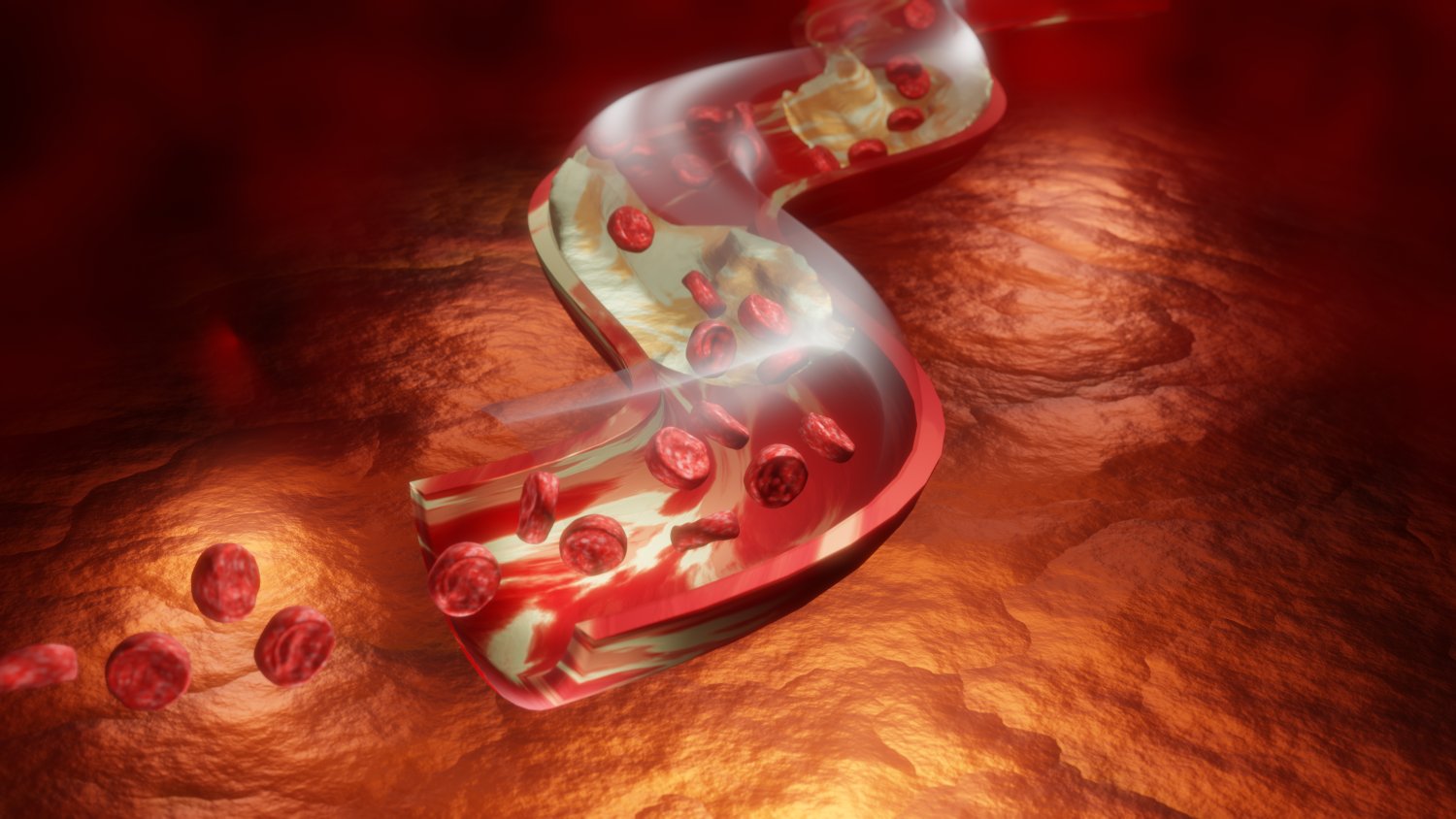
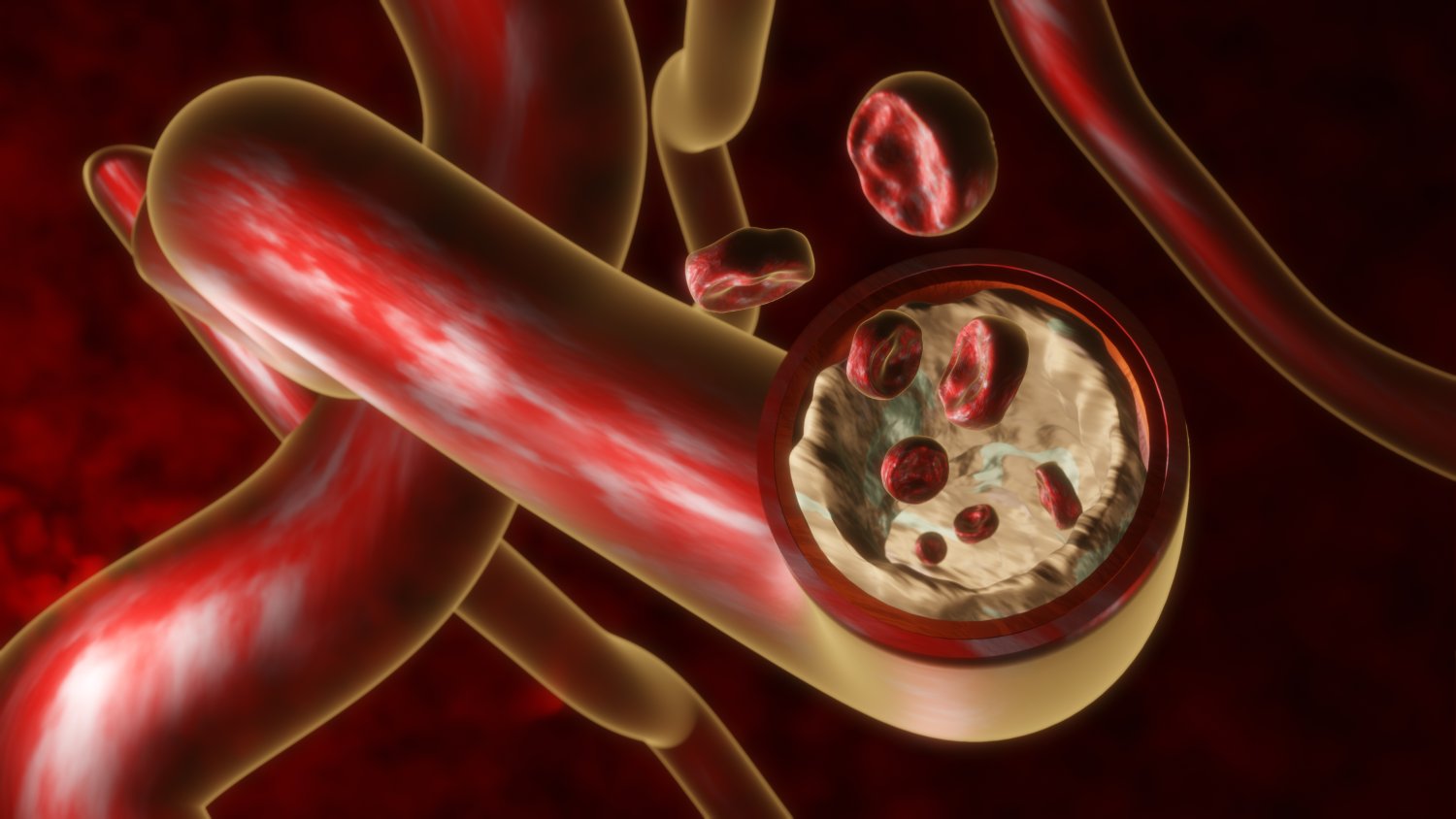
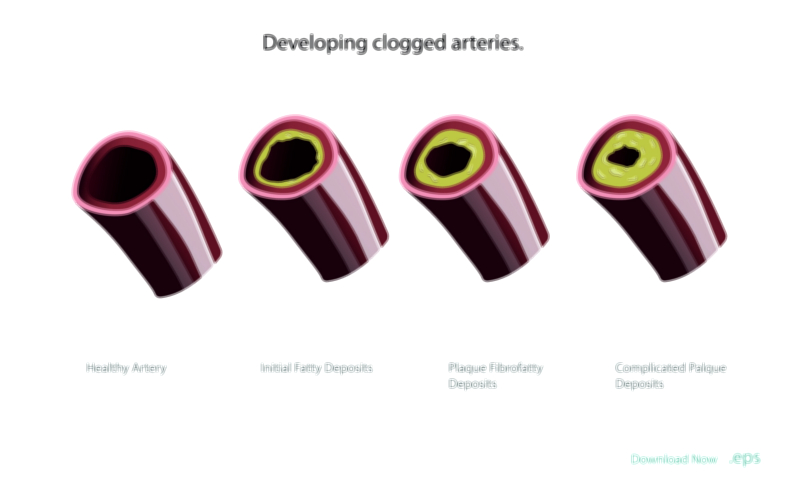
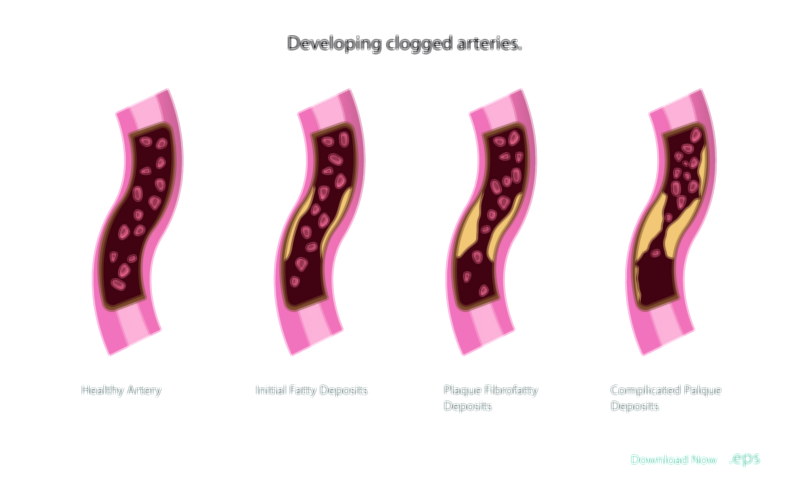
Blood vessel blockage is a gradual and often silent process that develops slowly within the cardiovascular system over many years. In a healthy state, blood vessels remain smooth, open, and flexible, allowing blood to flow freely and deliver oxygen and nutrients to every tissue. However, when the inner lining of an artery becomes damaged—whether by high blood pressure, harmful chemicals from smoking, chronic inflammation, or unhealthy levels of circulating fats—its smooth surface begins to deteriorate. These tiny injuries create rough patches where fatty particles, inflammatory substances, and microscopic debris can latch onto the vessel wall. What begins as a thin, almost invisible streak of buildup gradually grows into a thicker layer. The body responds by sending immune cells to the area, attempting to repair the damage, but these cells eventually become trapped in the accumulating materials. This early stage marks the beginning of a blockage, even though individuals usually feel no symptoms at this point.
Progression From Early Buildup to Significant Narrowing
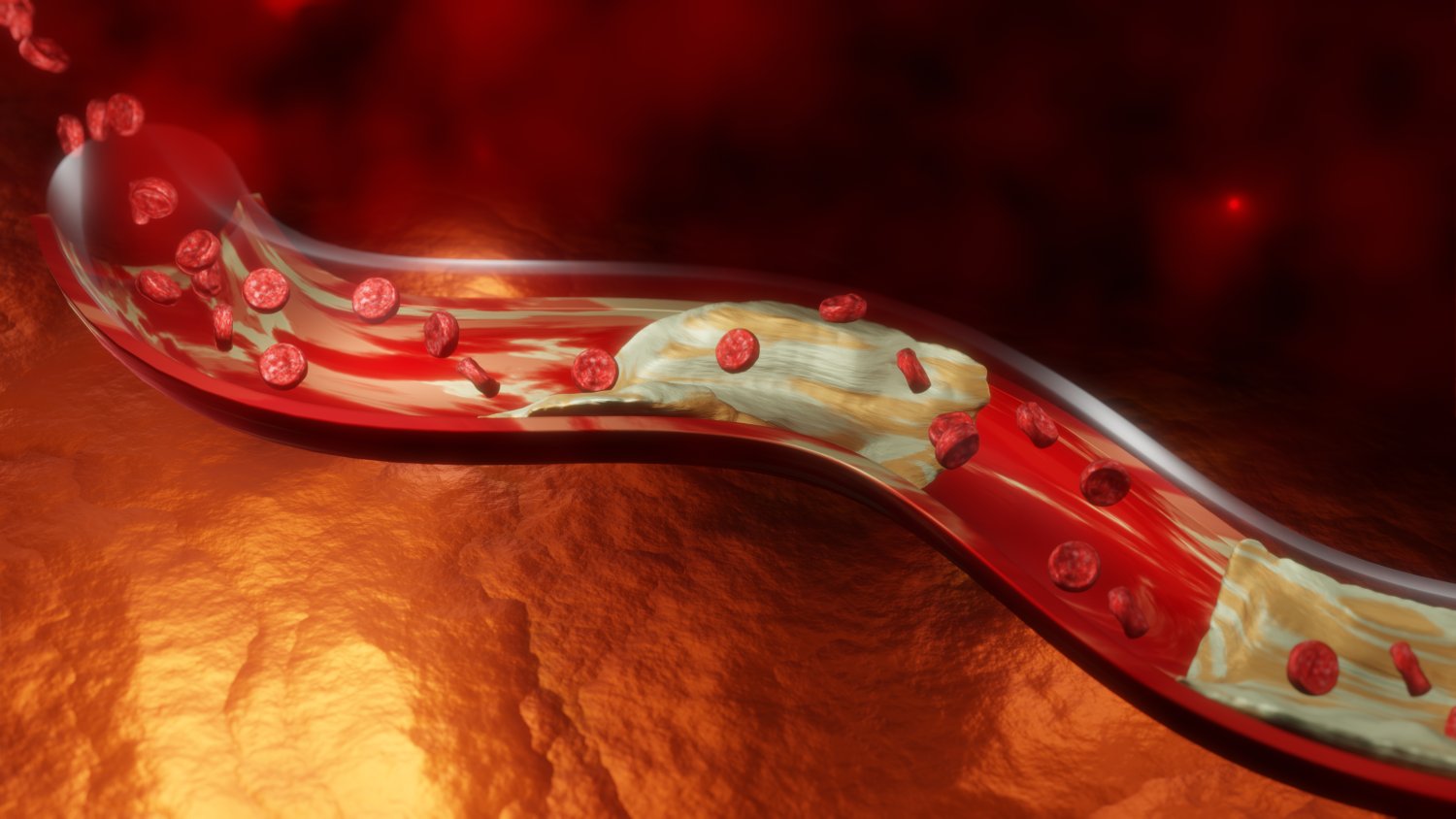
As more material accumulates along the damaged vessel wall, the blockage becomes progressively larger and more complex. Over time, this buildup begins to harden, forming what is known as plaque. The plaque not only narrows the passageway but also stiffens the artery, reducing its natural ability to expand and contract with each heartbeat. This stiffening increases internal resistance, making it more difficult for blood to flow through the narrowed channel. As the plaque thickens, it projects further into the vessel’s interior space, restricting the amount of blood that can pass through and creating turbulence in the flow. This disturbed flow encourages additional materials to settle, amplifying the problem. Eventually, the blockage may reach a point where blood flow is significantly reduced even during routine activities, placing increased stress on the heart and other organs that rely on steady, oxygen-rich circulation.
Why Blood Vessel Blockages Threaten Heart and Organ Health
Blood vessel blockages are dangerous because they limit the supply of oxygen and vital nutrients to essential organs. The heart, which depends on unobstructed coronary arteries to sustain its own muscle tissue, is particularly vulnerable. When coronary arteries narrow, the heart struggles to receive enough oxygen, especially during physical exertion or emotional stress. This shortage may lead to chest discomfort, tightness, or a heavy sensation that signals the heart is under strain. In severe cases, a piece of plaque may rupture, prompting the body to form a clot at the site. This clot can suddenly block the vessel completely, cutting off blood flow and causing a heart attack. Similar events in the arteries leading to the brain can result in a stroke, while blockages in the legs may cause pain during walking or even tissue damage. These outcomes illustrate how a slow-developing blockage can eventually trigger life-threatening consequences.
Lifestyle and Biological Factors That Accelerate Blockage Development
The development of blood vessel blockage is influenced by multiple factors, many of which relate to long-term habits and environmental conditions. Diets high in unhealthy fats, excessive sugars, and heavily processed foods increase the amount of circulating materials likely to build up in the arteries. Lack of physical activity weakens the body’s ability to manage blood pressure, blood sugar, and cholesterol, all of which play major roles in plaque formation. Smoking introduces toxic chemicals that directly injure the arteries, dramatically accelerating the development of blockages. Chronic stress elevates internal tension and inflammatory responses that strain the cardiovascular system. Genetic factors also influence how quickly plaque forms, with some individuals predisposed to high cholesterol levels or increased inflammation even when they maintain healthy habits. Age is another major contributor, as arteries naturally lose elasticity over time, making them more susceptible to damage and narrowing.
Early Signs of Blockage and the Silent Nature of the Condition
One of the most challenging aspects of blood vessel blockage is that it often develops without obvious symptoms until the narrowing becomes significant. Nevertheless, the body may offer early clues that circulation is being affected. Mild chest pressure during activity, breathlessness, unusual fatigue, or discomfort radiating into the arms, neck, or jaw can indicate reduced blood flow to the heart. When blockages occur in the legs, individuals may experience aching or cramping during walking, a condition that improves with rest. Reduced blood flow to the brain may cause dizziness, brief confusion, or a sensation of weakness. These early warning signs should not be ignored, as they reflect the cardiovascular system struggling to maintain adequate circulation.
Impact of Blockages on the Entire Cardiovascular System
As blood vessel blockages worsen, the burden on the heart increases. The heart must work harder to force blood through restricted pathways, which can cause the heart muscle to thicken or weaken over time. Reduced circulation affects not only the heart but also other organs such as the kidneys, brain, and limbs. Healing slows, energy decreases, and the risk of sudden medical events rises. The systemic nature of these effects highlights that blockages are not isolated problems but rather widespread disruptions that influence the entire cardiovascular network. Without adequate blood flow, tissues throughout the body struggle to function properly, leading to long-term complications.
Slowing the Progression Through Lifestyle and Preventive Care
Although blood vessel blockage develops slowly, individuals have considerable control over how quickly it progresses. Regular physical activity improves circulation, strengthens the heart, and reduces the harmful materials circulating in the blood. Nutrient-rich diets—featuring fruits, vegetables, whole grains, lean proteins, and healthy fats—support better vessel health and reduce inflammation. Avoiding smoking protects artery walls from direct chemical damage, while managing stress helps stabilize blood pressure and reduce internal strain. Staying well-hydrated, maintaining a healthy weight, and prioritizing restful sleep all contribute to a healthier cardiovascular environment. While genetics and aging cannot be controlled, these proactive habits significantly slow the narrowing process and reduce the risk of severe complications.
Why Understanding Blood Vessel Blockage Is Essential for Heart Health
A comprehensive understanding of blood vessel blockage empowers individuals to take steps that support long-term cardiovascular wellness. Because this condition begins early and progresses silently, awareness and prevention are crucial. Recognizing how blockages form, how they impact circulation, and how lifestyle choices influence their progression gives individuals the tools they need to make informed decisions about their health. With this knowledge, people can take meaningful actions that protect their heart, preserve their circulation, and reduce the likelihood of sudden cardiovascular events.