Blood Vessel Blockage — Understanding the Cardiovascular System and How Blockages Develop
How Blood Vessel Blockages Form in the Cardiovascular System
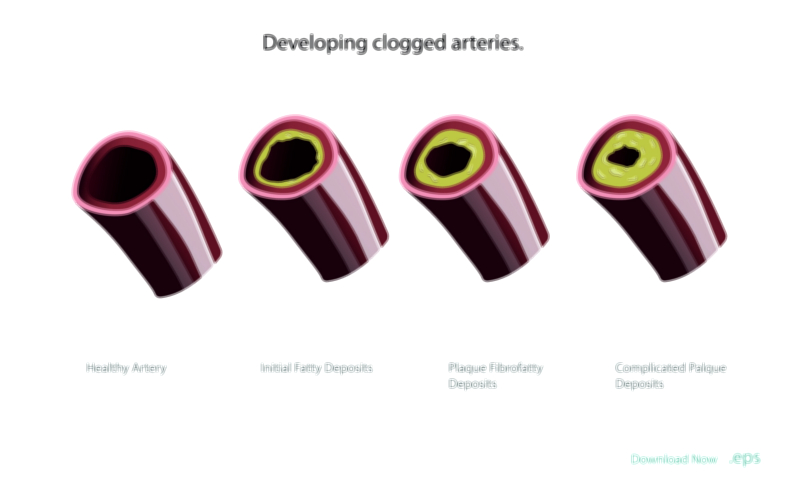
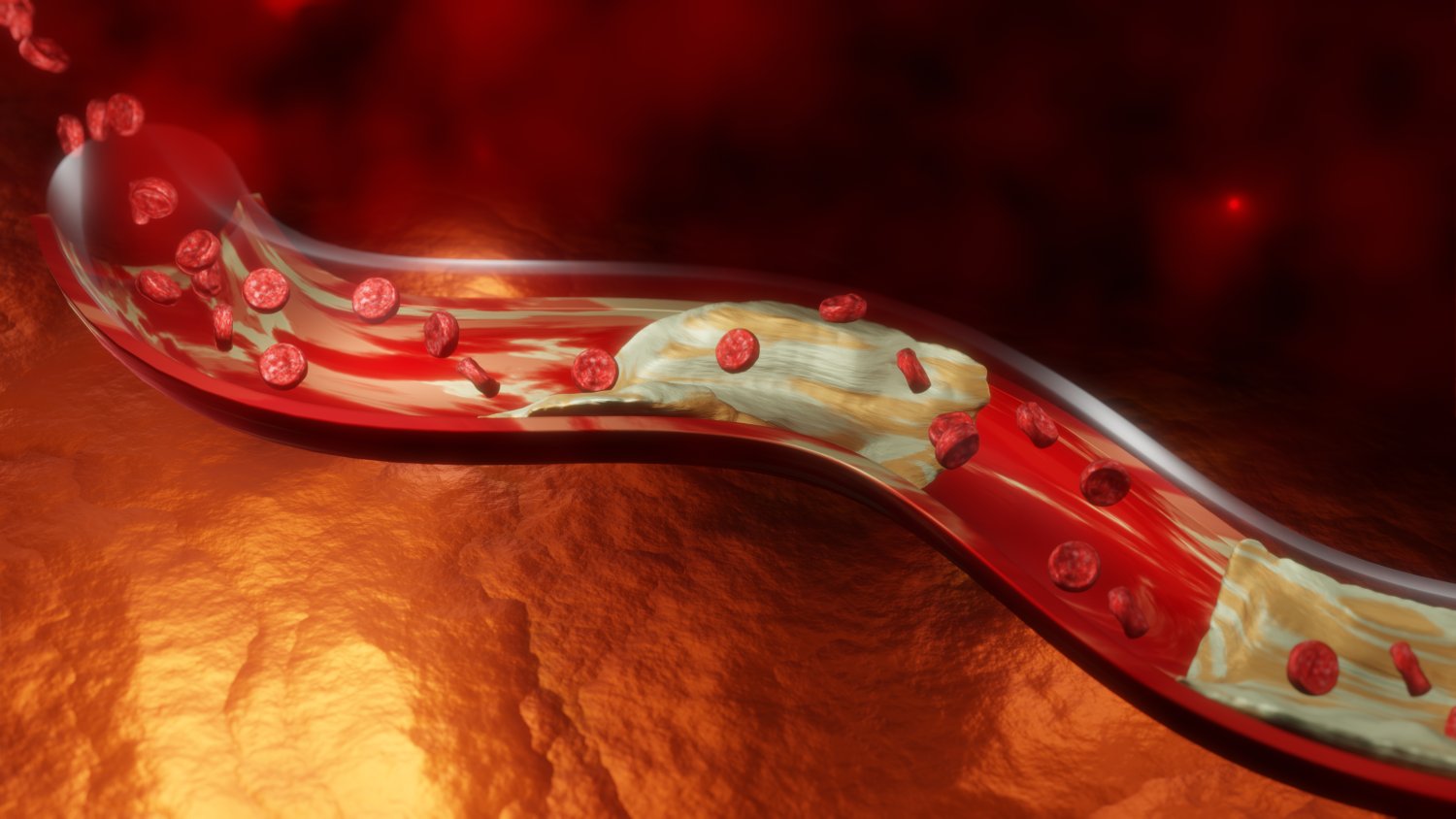
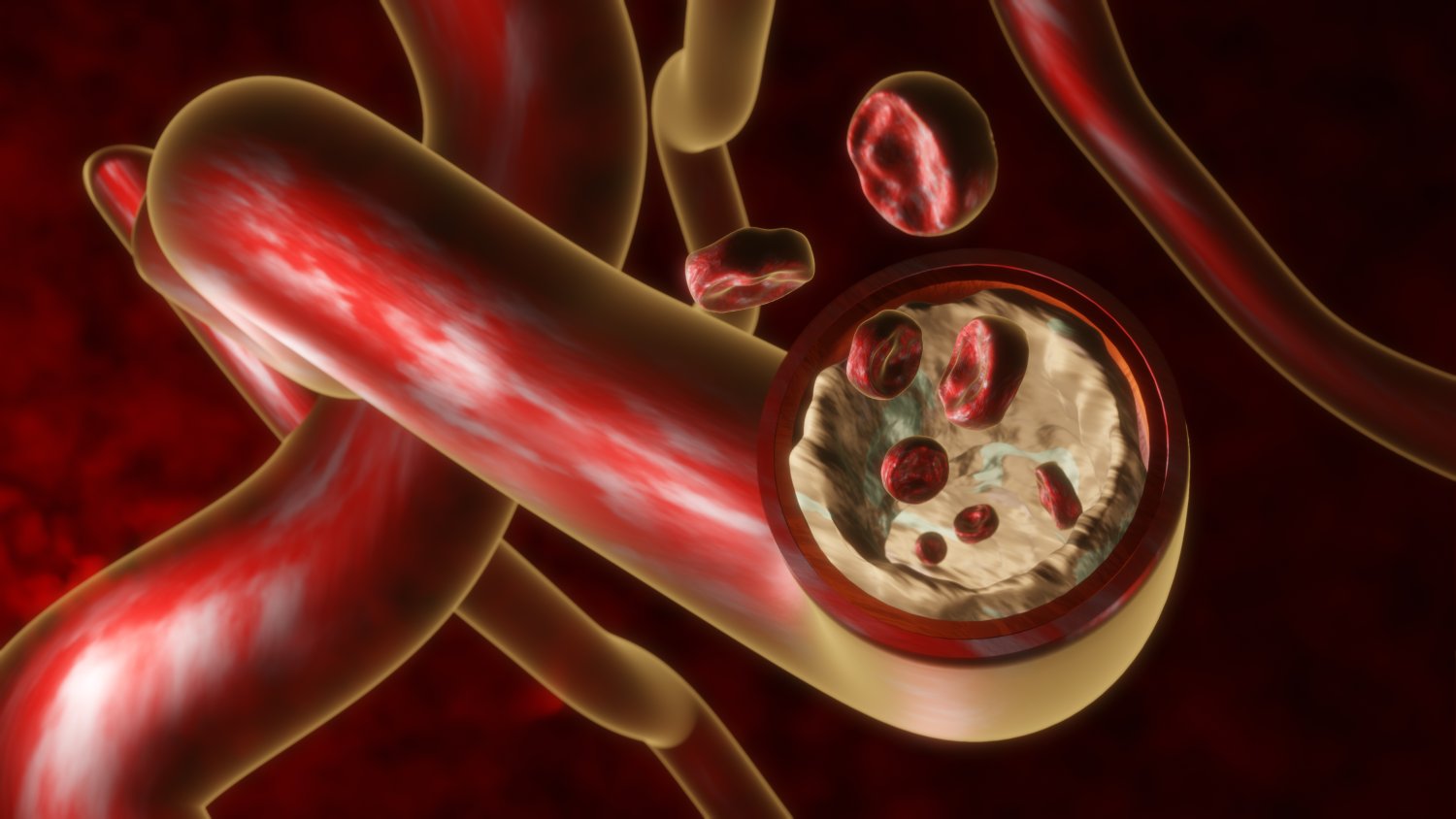
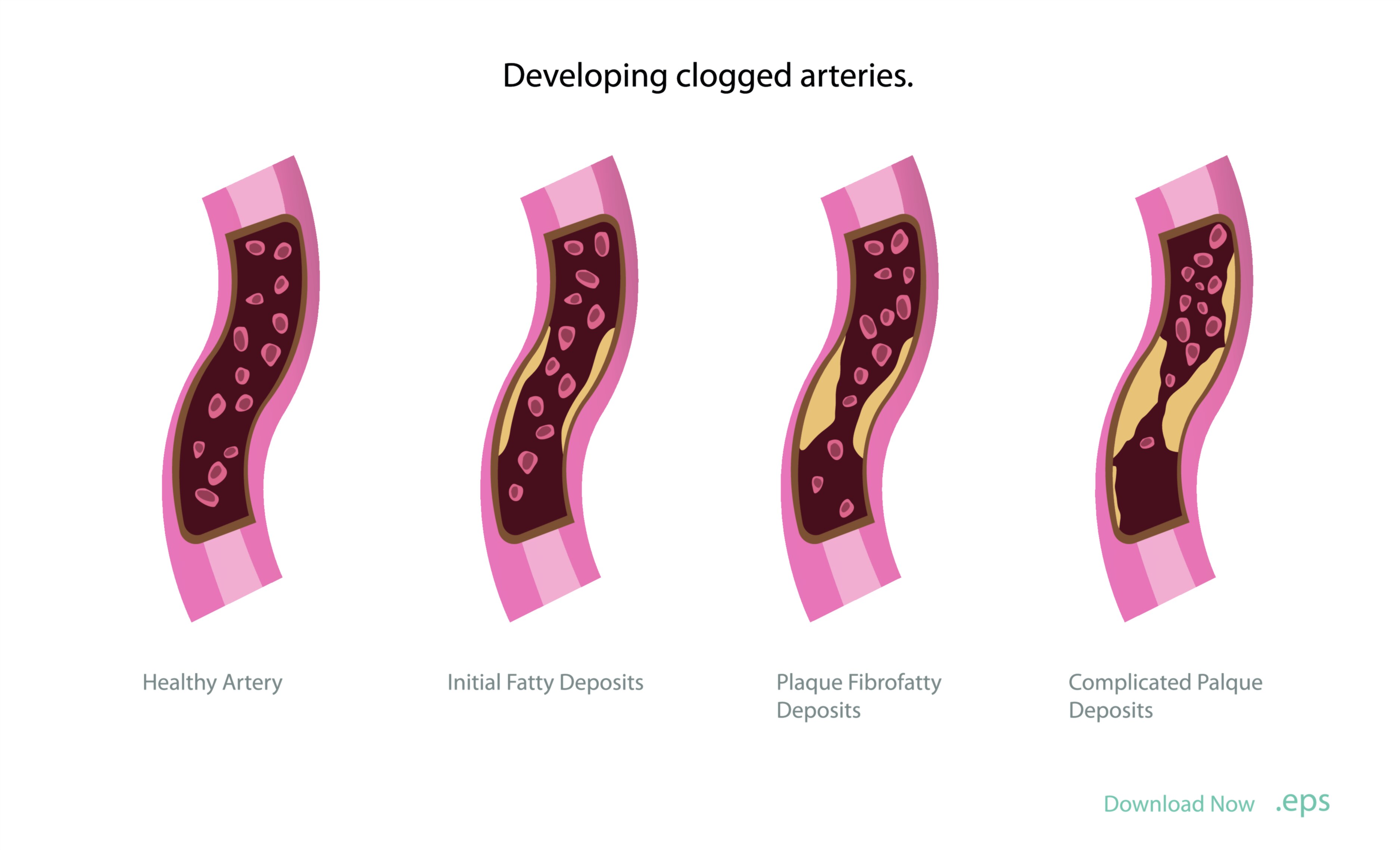
Blood vessel blockage is a gradual, progressive condition that affects the delicate network of arteries responsible for carrying oxygen-rich blood from the heart to every part of the body. These vessels are meant to remain flexible, clear, and smooth so that blood can travel easily with each heartbeat. However, over time, harmful substances circulating in the bloodstream—such as fatty particles, toxins, and inflammatory materials—begin to settle along the inner lining of the arteries. When this lining becomes irritated by high pressure, unhealthy habits, or chemical exposure, it loses its smooth texture and becomes more vulnerable to buildup. Layer by layer, sticky deposits accumulate in the irritated areas, forming what is known as plaque. This plaque gradually thickens and narrows the passageway inside the vessel, forcing the heart to work harder to push blood through. As the blockage increases, the overall circulation becomes strained, setting the stage for heart disease, stroke, and other serious cardiovascular conditions.
The Internal Process Behind Arterial Narrowing
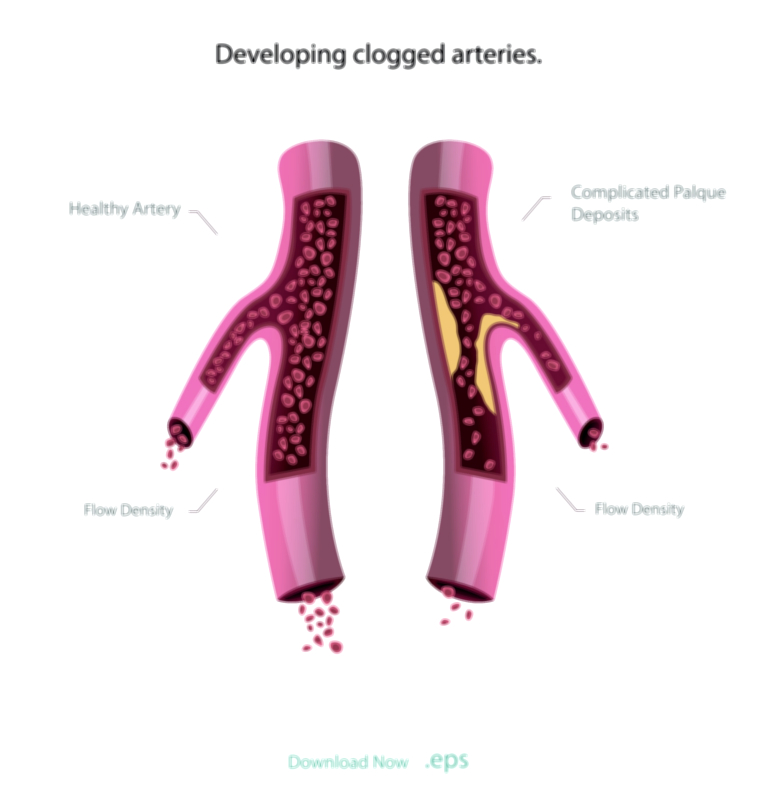
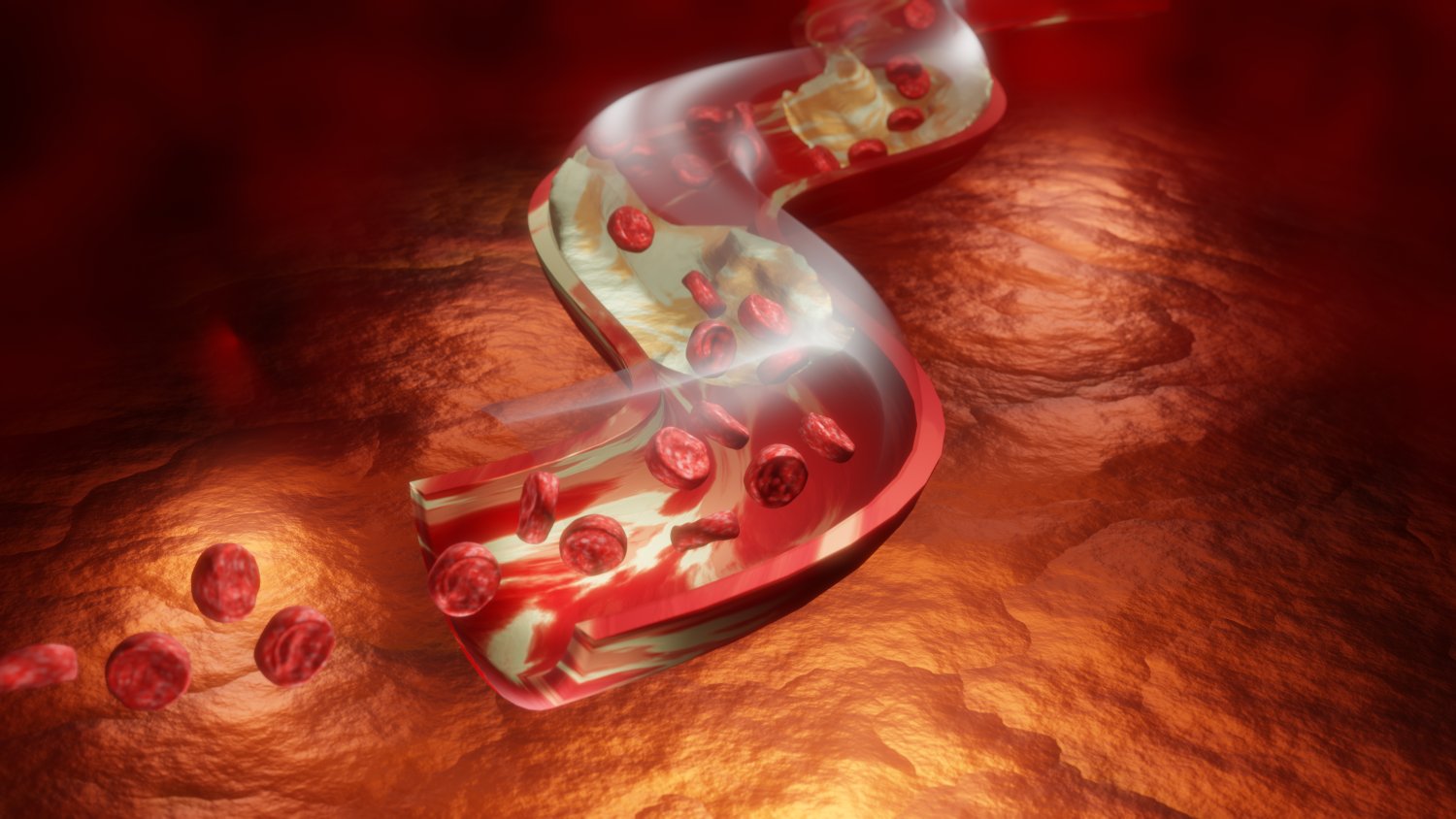
Inside a healthy artery, blood flows smoothly through an open space, supported by a strong and flexible vessel wall. When plaque begins to form, however, the structure inside the artery changes dramatically. The body initially treats the trapped fatty material as a threat, sending protective cells to absorb it. This protective response, although well-intended, leads to further buildup because the trapped cells themselves become part of the growing mass. Over time, the plaque becomes thicker and harder, sometimes containing fibrous tissue and calcified components that stiffen the artery wall. As the vessel loses its elasticity, it can no longer expand easily during circulation, causing turbulence in blood flow and increasing the likelihood of additional deposits forming. The narrowed passageway reduces the amount of oxygen and nutrients delivered to the tissues downstream, creating a silent strain that often goes unnoticed until the blockage becomes significantly advanced.
Why Blockages Threaten Heart, Brain, and Organ Health
Blood vessel blockages are dangerous because they interfere with the continuous supply of oxygenated blood required by every organ. The heart, which relies on its own network of arteries to nourish the muscle tissue, is especially vulnerable. When the arteries that feed the heart become narrowed, the heart muscle receives less oxygen during exertion or stress, leading to discomfort, fatigue, or a sense of tightness in the chest. If a piece of plaque ruptures, the body reacts quickly by forming a clot at the site. This clot can completely seal the artery within moments, cutting off blood flow entirely and causing a heart attack. If the same event occurs in the vessels supplying the brain, a stroke can result. Blockages in the vessels of the legs can reduce circulation to the point of causing pain during walking or, in severe cases, tissue damage. These outcomes illustrate why even moderate narrowing of blood vessels demands attention and care.
Lifestyle and Biological Factors That Encourage Blockage Formation
Blood vessel blockages do not arise from a single cause but from a combination of influences that unfold over time. Diets high in unhealthy fats, excessive sugar, or heavily processed foods add more harmful particles to the bloodstream than the body can safely manage. A sedentary lifestyle slows circulation and prevents the body from regulating cholesterol and blood pressure effectively. Smoking and exposure to harmful chemicals introduce irritants that directly damage the vessel walls, making plaque formation more likely. Stress contributes through hormonal changes that tighten blood vessels and elevate blood pressure. At the same time, genetics play a critical role, as some individuals inherit traits that make their arteries more prone to inflammation or plaque buildup. Age further increases susceptibility, as vessel walls naturally lose elasticity over the years. When these risk factors combine, the cardiovascular system becomes more vulnerable to narrowing and blockage.
Early Signs and Symptoms That Should Not Be Ignored
One of the challenges of blood vessel blockage is that it often progresses quietly, showing little or no symptoms until the narrowing becomes significant. However, the body sometimes offers clues that circulation is being compromised. Individuals may notice shortness of breath during light activity, fatigue that seems unusual for their level of exertion, or a sensation of pressure or heaviness in the chest. Some may experience discomfort in the neck, jaw, shoulders, or arms. Blockages affecting the legs may cause aching, numbness, or cramping that appears during walking and eases during rest. Reduced blood flow to the brain may produce light-headedness, memory difficulties, or episodes of confusion. These early signs should be taken seriously because they reflect the cardiovascular system struggling to maintain adequate circulation.
Impact on Overall Cardiovascular Function
As blood vessel blockages worsen, the heart must push harder against increasing resistance. This extra effort weakens the heart muscle over time, leading to reduced efficiency and, in severe cases, heart failure. The bloodstream itself becomes less effective at supplying tissues with oxygen, affecting organs such as the kidneys, brain, and extremities. The reduced circulation can also slow healing, diminish energy, and contribute to chronic fatigue. When the cardiovascular system is under continual strain, the risk of sudden events—such as heart attacks or strokes—rises sharply. This broader impact shows that blood vessel blockage is not a localized problem but a systemic threat that influences the entire body’s well-being.
Protecting Blood Vessels Through Long-Term Habits
While the development of blocked vessels may be slow and silent, individuals can influence the progression significantly through consistent lifestyle choices. Regular physical activity improves circulation, strengthens the heart, and reduces harmful deposits in the bloodstream. Diets rich in fruits, vegetables, whole grains, and healthy fats support vessel flexibility and reduce inflammation. Avoiding tobacco exposure protects the inner lining of the arteries, while managing stress keeps vessel tension and blood pressure under control. Maintaining a healthy weight, staying hydrated, and prioritizing restorative sleep all contribute to a cardiovascular environment that resists plaque buildup. Even small changes, when practiced over time, support healthier vessels and reduce the likelihood of dangerous blockages.
Why Understanding Blood Vessel Blockage Matters for Lifelong Health
Awareness of how and why blood vessels become blocked empowers individuals to make informed decisions long before severe symptoms arise. Because plaque buildup often begins early in life and progresses quietly, understanding the underlying processes helps create a stronger sense of responsibility toward cardiovascular health. This knowledge also encourages proactive habits, routine check-ups, and early intervention when necessary. With a deeper appreciation of how the cardiovascular system functions, individuals can take meaningful steps that support longevity, vitality, and overall well-being.