Types of Wings in Aeroplanes — Aircraft Wing Designs and Aerodynamic Functions
Understanding the Purpose and Diversity of Aircraft Wing Designs
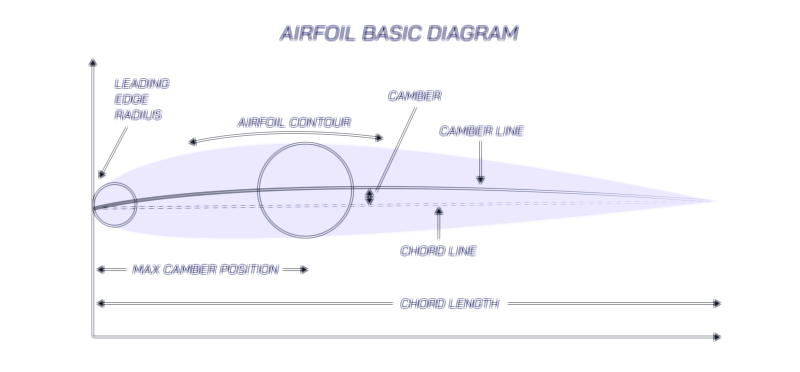
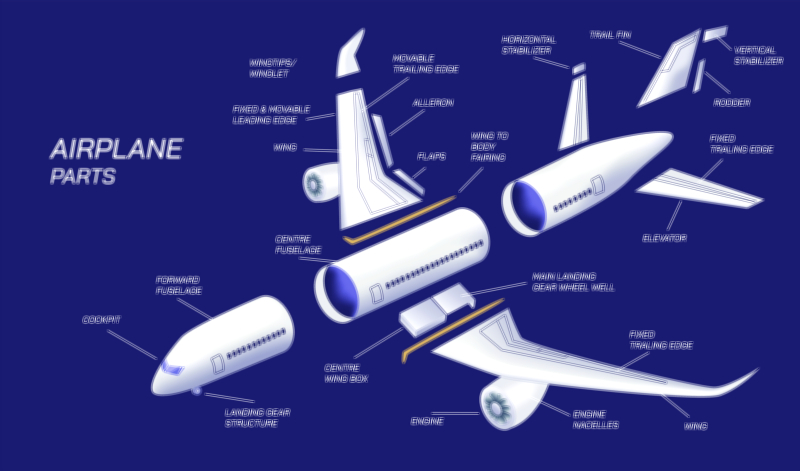
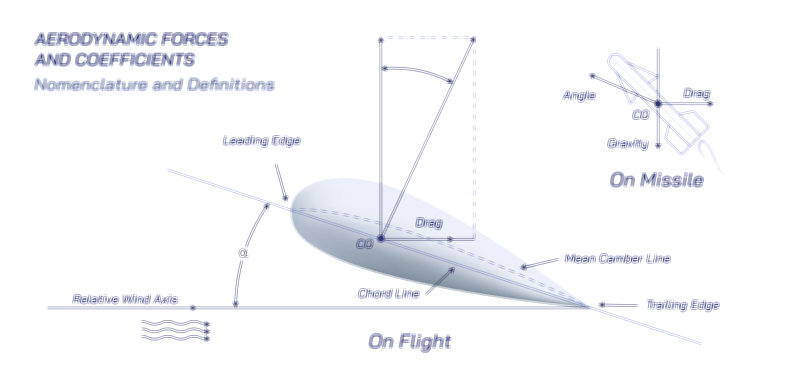
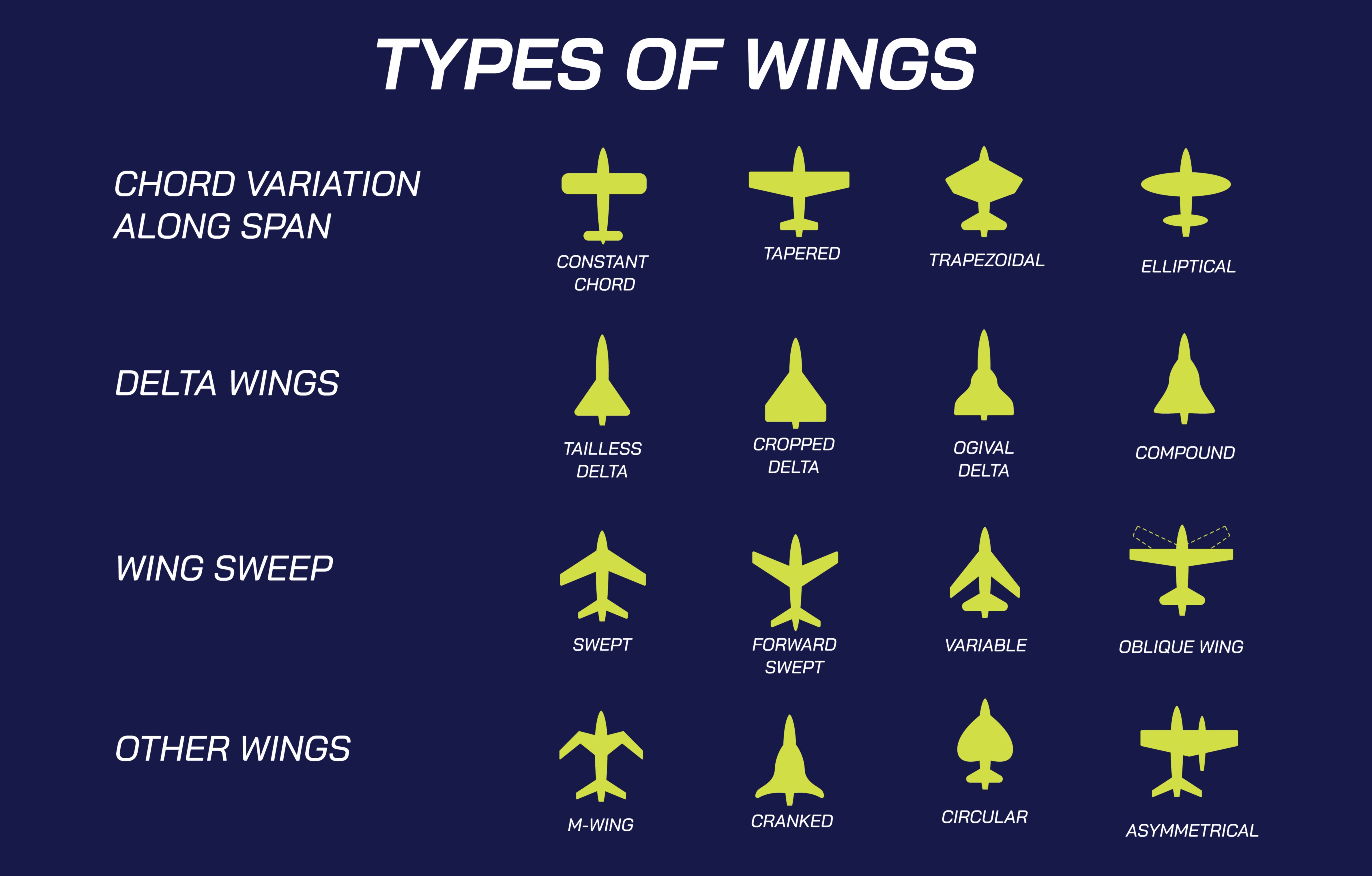
Aircraft wings come in a wide variety of shapes, sizes, and configurations, each engineered with a specific aerodynamic purpose in mind. A wing is far more than a surface that generates lift; it is a sophisticated aerodynamic structure that balances stability, efficiency, strength, and maneuverability. The type of wing an aircraft uses determines how it performs during takeoff, cruising, climbing, descending, and landing. It also affects fuel consumption, maximum speed, stall characteristics, and handling qualities. Over more than a century of aviation development, designers have experimented with numerous wing types to match the needs of different missions—slow-flying reconnaissance, high-speed interception, long-range transport, aerobatic agility, and environmental endurance. A vector illustration depicting wing types conveys this variety through simplified outlines that highlight geometric differences, helping viewers understand how each shape manipulates airflow and supports aircraft performance. These designs are not arbitrary; each reflects a careful study of aerodynamic forces, structural demands, and real-world operational requirements.
Straight Wings — Ideal for Low-Speed Stability and Lift
The straight wing is one of the oldest and most widely used designs, characterized by its perpendicular or near-perpendicular spread from the fuselage. It generates high lift at low speeds, making it perfect for small general aviation aircraft, cargo transporters, bush planes, and gliders. Its broad surface area maintains stable airflow across the wing, giving pilots predictable handling and gentle stall behavior. Straight wings are especially effective during takeoff and landing because they can lift the aircraft without requiring excessive speed. Although they generate more drag at higher velocities, limiting their use in high-speed jets, these wings excel in environments where control, safety, and short runway performance are crucial. In vector illustrations, straight wings are often depicted with long, rectangular shapes that visually express their slow-flight efficiency and aerodynamic simplicity.
Swept Wings — Optimized for High-Speed and Transonic Flight
Swept wings angle backward from the fuselage, reducing the effective airflow speed over the wing and delaying compressibility effects as aircraft approach the speed of sound. Their design minimizes wave drag, making them essential for modern jetliners, fighter jets, and long-range aircraft. Swept wings provide smoother, more stable performance at high speeds and altitudes but require additional lift-enhancing devices at low speeds. These wings may incorporate leading-edge slats, trailing-edge flaps, and wing fences to manage airflow. Their aerodynamic benefits allow aircraft to cruise efficiently at high Mach numbers while maintaining structural integrity. In vector illustrations, swept wings often appear with diagonal lines extending from the fuselage, visually emphasizing their backward-leaning geometry and high-speed aerodynamic purpose.
Delta Wings — Triangular Powerhouses for Supersonic Performance
Delta wings form a broad triangular shape inspired by their swept-back leading edges and wide wing roots. This design excels in supersonic flight because it distributes aerodynamic forces evenly, supports structural strength, and generates powerful vortex lift at high angles of attack. Delta wings remain stable at extreme speeds, making them popular in aircraft such as the Concorde and numerous fighter jets. Their large surface area allows for high-speed maneuverability, but they tend to require higher takeoff and landing speeds due to weaker low-speed lift characteristics. In a vector illustration, delta wings appear as sharp triangular forms that symbolize their aerodynamic toughness and suitability for high-speed missions.
Tapered and Elliptical Wings — Balancing Efficiency and Manufacturing Practicality
Tapered wings narrow from root to tip, reducing induced drag and improving overall aerodynamic efficiency. They strike a balance between high-speed performance and fuel economy, making them common on commercial planes and modern general aviation aircraft. Elliptical wings, renowned for their near-perfect lift distribution, minimize drag more effectively than any other wing shape. However, their complex curves are difficult and expensive to manufacture, limiting their use to iconic aircraft such as the Supermarine Spitfire. Both shapes enhance stability, climb performance, and aerodynamic smoothness. Vector illustrations often showcase these wings with gradually narrowing outlines or perfectly curved shapes, helping viewers see how geometry contributes to reduced drag and efficient lift.
High-Aspect-Ratio Wings — Designed for Endurance and Minimal Drag
High-aspect-ratio wings are long and slender, producing superior aerodynamic efficiency by minimizing induced drag. These wings are ideal for gliders, long-endurance drones, high-altitude reconnaissance aircraft, and solar-powered planes. Their extended wingspans allow them to ride thermal currents, require less propulsion power, and operate efficiently over long distances. However, their narrow shape makes them structurally delicate under heavy loads or during aggressive maneuvers. In illustrations, high-aspect-ratio wings appear stretched and thin, visually communicating their endurance-focused aerodynamic advantage.
Low-Aspect-Ratio Wings — Strong, Compact, and Highly Maneuverable
Low-aspect-ratio wings are short and wide, commonly found on high-speed military aircraft and aerobatic planes. Their compact design supports high structural strength and rapid maneuverability, making them ideal for tight turns, rolls, and high-energy maneuvers. Although they generate more induced drag and less efficient lift compared to long wings, their agility and robustness make them indispensable in combat and stunt aviation. In vector illustrations, these wings appear squat and bold, showing their purpose as high-power, high-strength aerodynamic devices.
Wing Position Configurations — High-Wing, Mid-Wing, and Low-Wing Designs
The vertical placement of the wings relative to the fuselage also influences performance. High-wing aircraft offer better ground clearance, improved stability, and enhanced downward visibility, making them well-suited for cargo transport and expedition flying. Low-wing aircraft provide better roll control, reduced drag, and easy landing gear integration, making them ideal for commercial jets and many training aircraft. Mid-wing designs, seen in aerobatic and military aircraft, balance maneuverability and aerodynamics for precision flight. In vector illustrations, these positions are often displayed through simplified fuselage diagrams, illustrating how wing height affects stability and handling.
Forward-Swept, Variable-Sweep, and Canard Wings — Advanced Aerodynamic Solutions
Forward-swept wings offer exceptional lift and controllability at high angles of attack but require advanced composite materials to prevent structural twisting. Variable-sweep wings allow aircraft to adjust geometry mid-flight, extending outward for low-speed lift and sweeping back for high-speed efficiency; this adaptability is famously showcased in aircraft like the F-14 Tomcat. Canard wings, positioned in front of the main wing, help reduce stall risk and improve maneuverability by providing additional lift and improved pitch control. Such innovative designs push the boundaries of aerodynamic engineering and are frequently highlighted in vector graphics to demonstrate their unique aerodynamic principles.
Illustrating Wing Types Through Vector Graphics
A vector illustration featuring different aircraft wing types typically presents each wing shape with clean outlines and airflow lines. These diagrams help viewers compare aerodynamic characteristics easily—highlighting lift behavior, drag patterns, and structural differences. Some illustrations include simplified aircraft silhouettes with various wing placements, offering a clear and accessible visualization of how each wing type functions in practical aviation design.