Aerodynamics of a Plane — Forces of Flight and Airflow Principles
Understanding the Fundamentals of Aerodynamic Forces
The aerodynamics of a plane revolve around four essential forces—lift, weight, thrust, and drag—that interact continuously to determine how an aircraft moves through the sky. Each of these forces must remain balanced or intentionally unbalanced for the aircraft to climb, descend, accelerate, or maintain steady flight. Lift is the upward force generated by the wings as air flows around them, counteracting the downward pull of gravity known as weight. Thrust is the forward force produced by engines or propellers, while drag is the aerodynamic resistance created by the movement of the plane through the air. These four forces work together in dynamic harmony, and their interplay forms the basis of all flight behavior. Without a proper understanding of how these forces interact, aircraft cannot be engineered to perform efficiently or safely. The study of aerodynamics reveals how careful manipulation of airflow makes lift possible, how wing shapes influence performance, and how aircraft stability depends on maintaining equilibrium among these fundamental forces.
Lift Generation Through Airflow and Pressure Differences
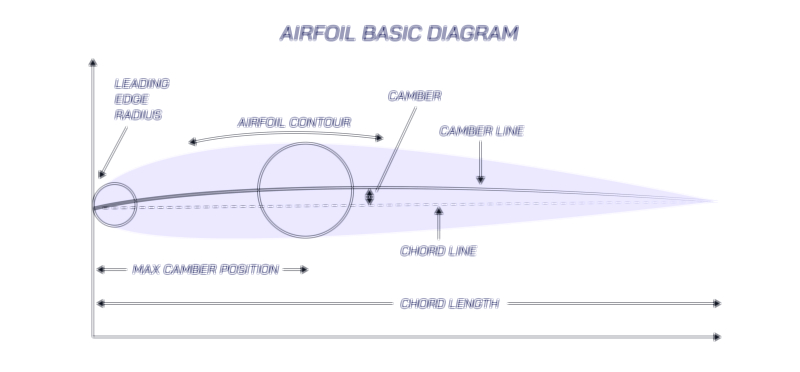
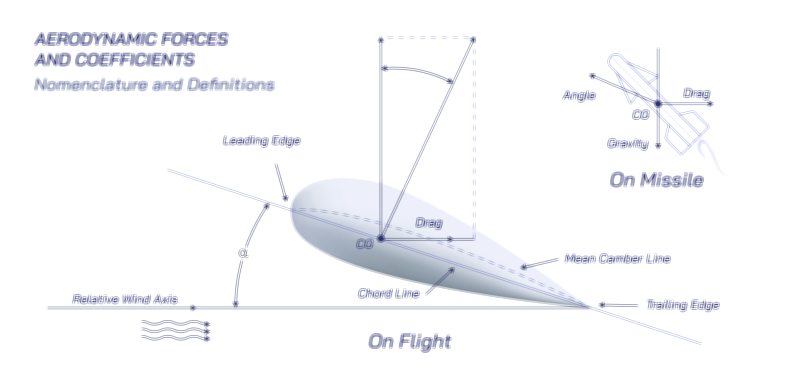
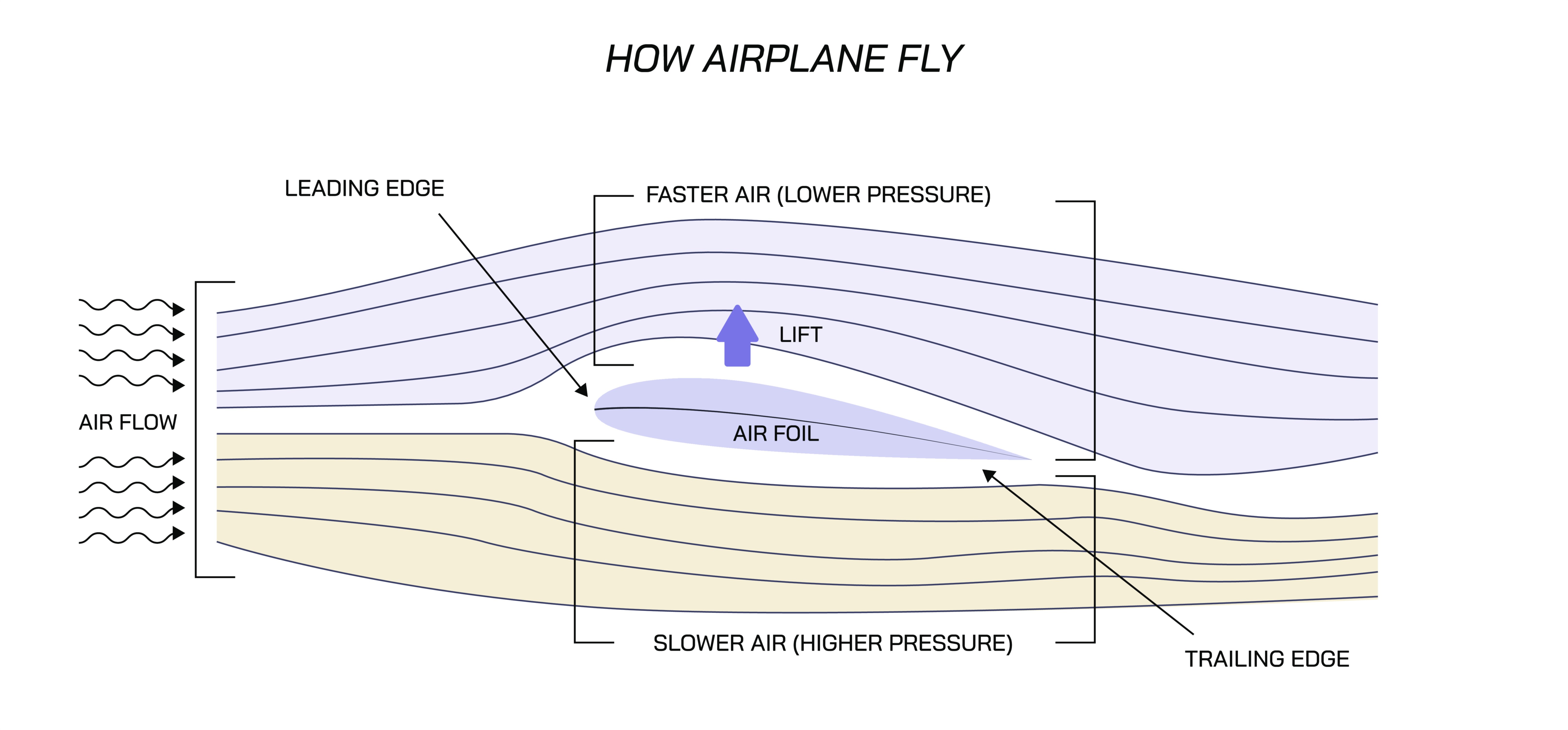
At the center of an airplane’s ability to fly lies the principle of lift, which emerges from pressure differences created by air moving over and under the wings. Wings are designed with an airfoil shape, curved on the top and flatter on the bottom, guiding air to travel faster along the upper surface. According to fundamental airflow principles, faster-moving air has lower pressure, while slower-moving air maintains higher pressure. This pressure imbalance produces an upward force that lifts the airplane. Additionally, lift is influenced by the angle of attack, which is the angle between the wing’s chord line and the direction of the oncoming airflow. As the angle of attack increases, lift generally increases—up to a point. If the angle becomes too steep, airflow can no longer remain attached to the surface of the wing, triggering a stall. These aerodynamic interactions demonstrate how precise wing angles and smooth airflow are crucial for stable, sustained flight. Lift is not a mysterious upward push but rather a direct consequence of how the wing shapes the air around it.
The Impact of Drag and Its Role in Energy Efficiency
Drag, the resisting force that counters thrust, arises from the friction of air molecules against the aircraft's surface and from disturbances that form behind the plane as it moves forward. There are two primary types of drag: parasitic drag and induced drag. Parasitic drag increases with speed because the faster the aircraft moves, the more air resistance it encounters. It includes form drag from the aircraft’s shape and skin friction drag from the surface texture. Induced drag, by contrast, is a by-product of lift generation itself and becomes significant at low speeds when wings must work harder to produce the necessary lift. Designers must minimize drag wherever possible to improve efficiency, fuel economy, and flight performance. Streamlined fuselage shapes, smooth wing contours, retractable landing gear, and wingtip devices such as winglets are all engineering innovations aimed at reducing drag by smoothing airflow and preventing energy-wasting vortices. Understanding drag is fundamental in aircraft design because even slight reductions in drag can significantly improve flight range and fuel consumption.
Thrust and Propulsion in Maintaining Forward Motion
Thrust is the force that propels an aircraft forward, counteracting drag and enabling the wings to generate lift through continuous airflow. In jet aircraft, thrust is produced by engines that compress incoming air, mix it with fuel, ignite the mixture, and expel the gases at high velocity. In propeller-driven planes, thrust arises from rotating blades that act like rotating wings, accelerating air backward to push the aircraft forward. Helicopters, turboprops, turbofans, and ramjets all employ variations of these propulsion methods, but the principle remains the same: thrust must exceed drag for acceleration and must equal drag for steady, level flight. Engine placement, efficiency, and response characteristics influence aircraft maneuverability and stability. Modern turbofan engines, for instance, are engineered to deliver powerful thrust while maintaining fuel efficiency, enabling long-distance flight with minimal energy waste. Through propulsion systems, aircraft convert stored chemical energy into forward motion, making thrust the driving force that powers all aerodynamic processes.
Stability, Control Surfaces, and the Role of Airflow Management
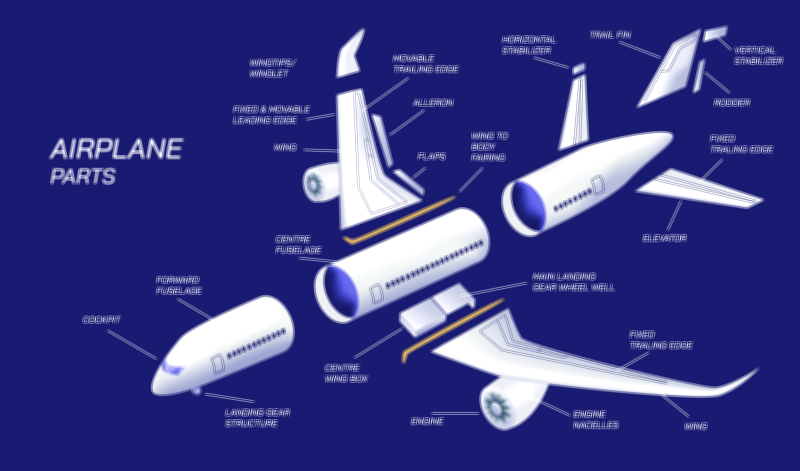
Beyond the four main forces, the aerodynamics of a plane depend heavily on stability and control mechanisms. Aircraft wings generate lift, but the tail and control surfaces—such as the horizontal stabilizer, vertical fin, ailerons, elevators, and rudder—ensure that this lift is manageable and predictable. The horizontal stabilizer balances the aircraft to prevent unwanted pitching up or down, while the vertical stabilizer prevents yawing motions caused by asymmetrical airflow. Ailerons on the wings control roll, elevators on the tail manage pitch, and the rudder manages yaw, allowing the pilot to adjust orientation in three-dimensional space. Airflow plays a vital role in ensuring these surfaces function smoothly; disruptions such as turbulence, crosswinds, or uneven lift distribution require constant aerodynamic corrections. Modern aircraft also incorporate advanced systems like spoilers, flaps, and slats that enhance lift during takeoff and landing or reduce speed during descent. These elements illustrate how controlling airflow is essential not only for lift generation but for maintaining balanced, stable flight in all phases of travel.
Aerodynamics in Modern Aircraft Design and Engineering
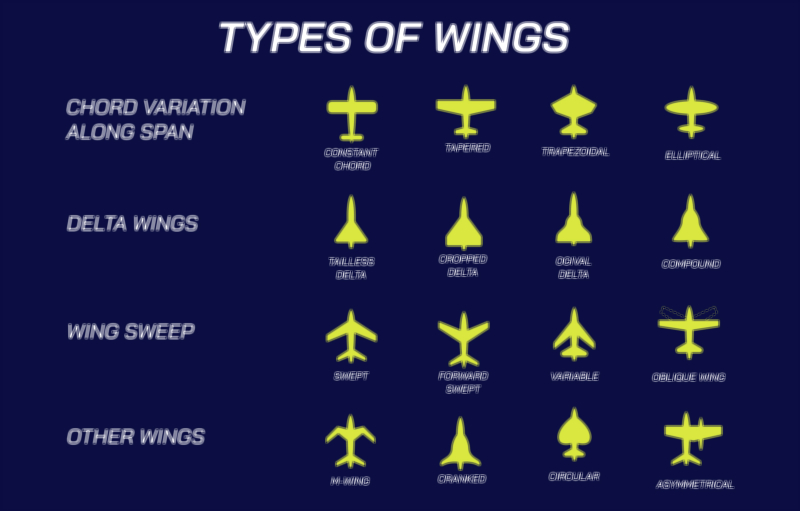
Modern aircraft are intricately engineered to optimize aerodynamic performance across multiple flight regimes. High-speed jets rely on swept wings to delay the formation of shockwaves, while cargo aircraft depend on high-lift wings to carry heavy loads efficiently. Military fighters incorporate delta wings, canards, and thrust-vectoring technologies to achieve extreme maneuverability, while commercial airliners emphasize fuel efficiency and long-distance comfort. Computational fluid dynamics (CFD) and wind-tunnel testing allow engineers to simulate airflow behavior with extraordinary accuracy, refining designs long before they reach production. Emerging innovations include blended-wing-body aircraft, morphing wings that change shape in flight, and electric propulsion systems that require entirely new aerodynamic considerations. Through these advancements, aerodynamics continues to evolve, shaping aircraft that are faster, cleaner, safer, and more efficient than their predecessors.
Illustrating Aerodynamic Forces and Airflow Through Vector Graphics
A vector illustration of airplane aerodynamics typically showcases the four forces of flight using colored arrows: lift pointing upward, weight downward, thrust forward, and drag backward. Additional diagrams often depict airflow lines sweeping over wing surfaces, showing how lift forms through pressure differences. Angle-of-attack visuals may highlight how wing tilt affects airflow attachment, while vortex patterns illustrate drag behavior at wingtips. Control surfaces such as ailerons and elevators may be included to demonstrate pitch, roll, and yaw control. These illustrations translate complex aerodynamic principles into clear visual language, helping viewers grasp how airflow, forces, and wing design harmonize to create flight.