Aerodynamic Design — Airflow, Lift, and Motion Illustration
Foundational Principles of Aerodynamic Design
Aerodynamic design represents the science and engineering of shaping objects so they interact with air in ways that improve motion, stability, efficiency, and performance. Whether applied to aircraft, automobiles, drones, sports equipment, or even architectural structures exposed to wind, aerodynamics governs how smoothly air flows around a body and how that flow influences force generation. The fundamental aim of aerodynamic design is to minimize undesired resistance while maximizing the beneficial forces that enable controlled motion. At the heart of this discipline lies the understanding of airflow behavior—how air spreads, compresses, accelerates, detaches, and reattaches as it moves across surfaces of various shapes. When an object moves through air, it causes disturbance in the surrounding fluid, creating regions of high and low pressure. These pressure differences generate forces that either oppose or support motion. Mastering these interactions is essential for designing everything from high-speed jets to energy-efficient vehicles and precision aerodynamic components. As designers analyze and shape the contours of a body, they seek to manage these interactions so that air behaves predictably and supports the intended function of the object.
Airflow Behavior and Its Influence on Motion
Airflow, in its most essential form, refers to the way air particles travel around objects, responding to shape, speed, and angle of exposure. Smooth, uninterrupted airflow—known as laminar flow—reduces friction and drag, allowing objects to move more efficiently through the air. However, as speed increases or surface geometry becomes more complex, airflow can transition into turbulence, characterized by swirling eddies that increase resistance. Aerodynamic design revolves around delaying or controlling this transition to maintain stability and reduce unnecessary energy loss. The shape of an object determines whether air will cling closely to its surface or separate prematurely, affecting both drag and lift. A streamlined body minimizes stagnation points and sharp pressure changes, guiding air smoothly from the front to the rear. When airflow separates too early, it creates a low-pressure wake behind the body, increasing drag and destabilizing motion. By studying airflow patterns and adjusting surface curvature, designers manage pressure gradients, boundary layer behavior, and flow attachment to ensure optimal performance across different speeds and motion profiles.
Understanding Lift and the Mechanics Behind Force Generation
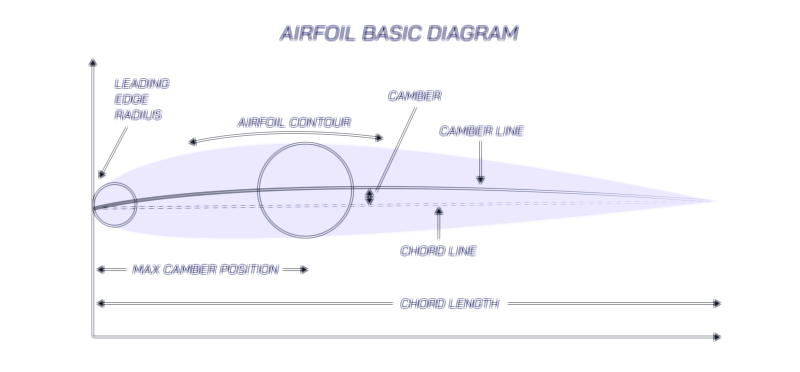
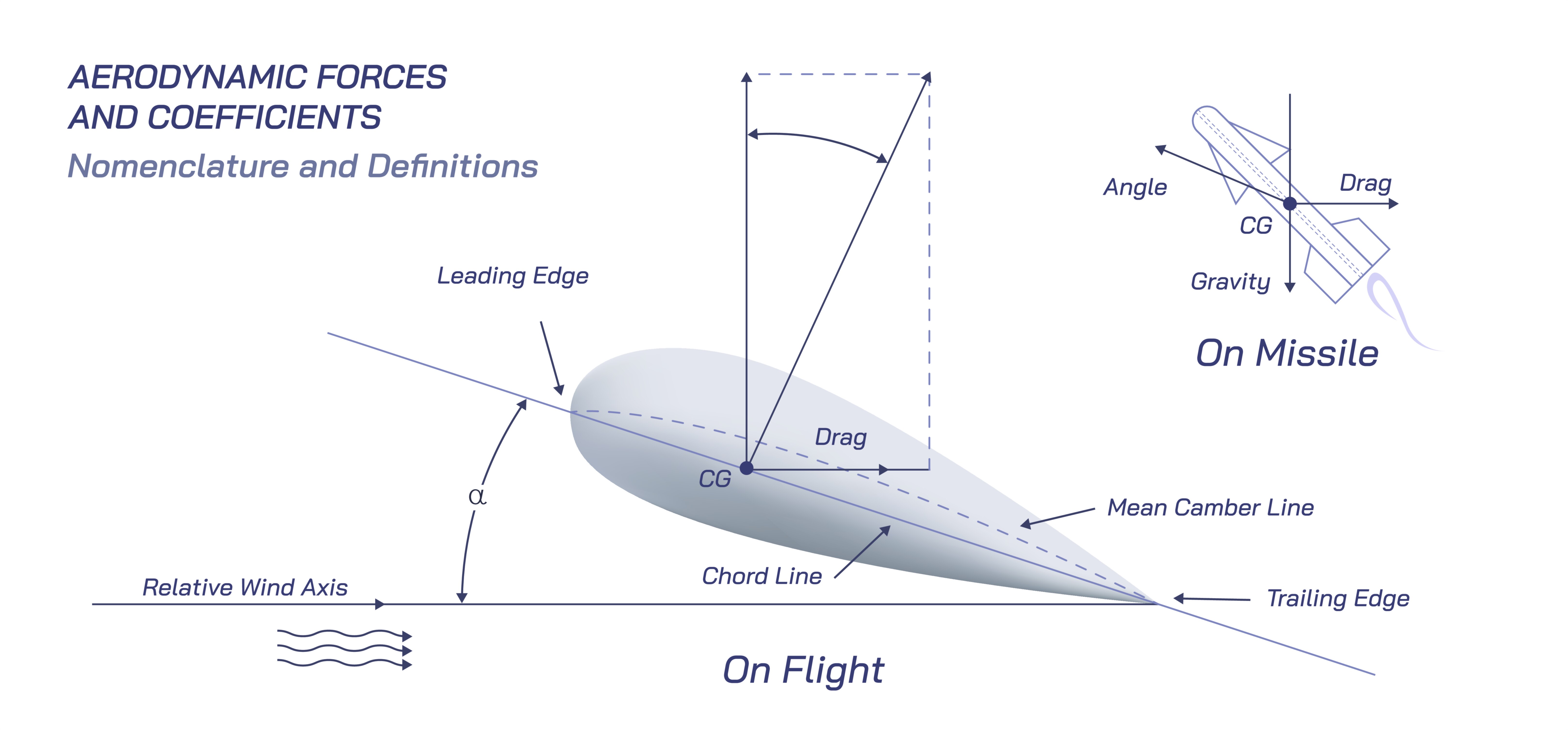
Lift, one of the most important aerodynamic forces, arises when shape and motion combine to create pressure differences that push an object upward or generate directional control in various orientations. In aircraft wings, this occurs as air traveling over the top surface accelerates, lowering pressure relative to the slower-moving air beneath. This imbalance generates an upward force that supports flight. Yet lift is not limited to planes; it appears in automobiles where spoilers generate downward lift to keep tires planted on the road, in racing bicycles where rider posture reduces upward lift for greater stability, and even in architectural structures where roofs must be designed to withstand lifting in strong winds. The geometry of the lifting surface, including curvature, angle of attack, and leading-edge profile, determines how efficiently lift is produced. At too high an angle, airflow detaches suddenly, causing a stall where lift collapses and drag rises sharply. Effective aerodynamic design seeks to maximize useful lift while preventing conditions that lead to instability. Designers therefore refine wing shapes, incorporate flaps or control surfaces, and adjust orientation to maintain smooth flow and stable pressure distributions even at high speeds.
Managing Drag and Enhancing Aerodynamic Efficiency
Drag, the resistive force opposing motion through air, emerges as a direct consequence of airflow interaction with an object's surface and shape. Reducing drag is essential for improving fuel efficiency, speed, and overall performance. Two primary forms of drag—pressure drag and skin-friction drag—dominate aerodynamic considerations. Pressure drag arises when the shape of an object creates large differences between high-pressure zones at the front and low-pressure wakes at the rear. Streamlined shapes taper gradually to reduce wake size and maintain attached airflow. Skin-friction drag, on the other hand, results from the interaction between air molecules and the surface of the object. Smooth surfaces help reduce this friction, while rough textures or protrusions increase resistance and can disrupt laminar flow. Complex designs may also incorporate vortex generators, channels, or special surface treatments to manipulate airflow deliberately. While drag cannot be eliminated entirely, managing it effectively is key to achieving aerodynamic balance, ensuring that objects perform their intended functions—whether lifting, accelerating, gliding, or maintaining stability—with minimal energy expenditure.
Motion Stability and Control Through Aerodynamic Refinement
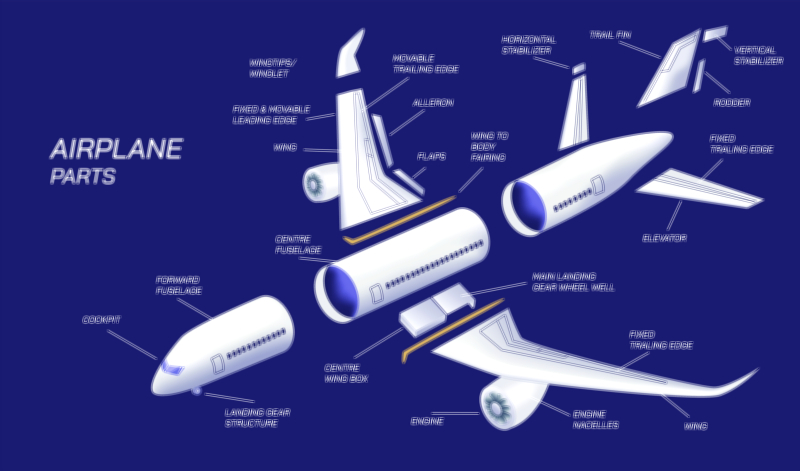
Beyond lift and drag, aerodynamic design addresses the critical concept of stability—how well an object maintains its orientation and resists unwanted motion when exposed to airflow. Aircraft rely on tail surfaces and control surfaces to ensure predictable pitch, roll, and yaw behavior, while cars depend on body shaping and undercarriage airflow management to prevent lift-induced instability at high speeds. Even handheld objects such as projectiles, sports balls, or drones must be designed so airflow supports their intended motion rather than disrupting it. The distribution of mass, center of pressure position, and surface curvature all influence whether an object remains steady or becomes erratic in flight or movement. Designers analyze these factors using wind tunnels, computational simulations, and advanced modeling to ensure that performance remains consistent across varying conditions. By harmonizing lift, drag, and flow attachment, aerodynamic design integrates stability into the shape itself, making motion smoother, safer, and more predictable.
Illustrating Aerodynamic Interactions and Design Concepts
Illustrations of aerodynamic design often show airflow streamlines passing around wings, car bodies, blades, or other structures, highlighting areas of acceleration, separation, and pressure variation. These depictions reveal how a seemingly simple change in curvature can alter entire patterns of flow and dramatically affect performance. Visualizing airflow helps explain how lift is generated, how drag behaves under different conditions, and how design modifications shape overall motion. By observing these illustrations, one gains insight into the invisible yet powerful interactions between air and engineered forms. Such representations reinforce the principles that guide aerodynamic shaping, demonstrating how careful manipulation of surfaces and contours results in efficient, stable, and high-performing designs.