Welding Directions — Proper Welding Techniques and Safety Guide
Understanding the Fundamentals of Welding and Its Role in Metal Fabrication
Welding is a transformative process that binds metals together through the application of heat, pressure, or a combination of both, creating joints that are often stronger than the base materials themselves. It serves as the backbone of industries such as construction, automotive manufacturing, aerospace engineering, shipbuilding, and countless fabrication disciplines that rely on permanent, reliable metal fusion. Proper welding directions encompass far more than simply melting metals; they involve understanding base materials, selecting the appropriate welding technique, and following safety protocols that prevent hazards inherent in high-temperature operations. Whether performed through arc welding, gas welding, resistance welding, or advanced automated methods, the essence of welding lies in controlling heat flow, managing electrode behavior, and maintaining proper joint geometry. These principles ensure that the final weld exhibits durability, mechanical strength, and structural integrity capable of withstanding stresses, vibrations, and environmental conditions. Welding directions, therefore, provide a structural roadmap for achieving precision, consistency, and safety in each weld, ensuring that even complex assemblies retain their engineered reliability.
Proper Welding Techniques: Positioning, Motion, and Heat Control
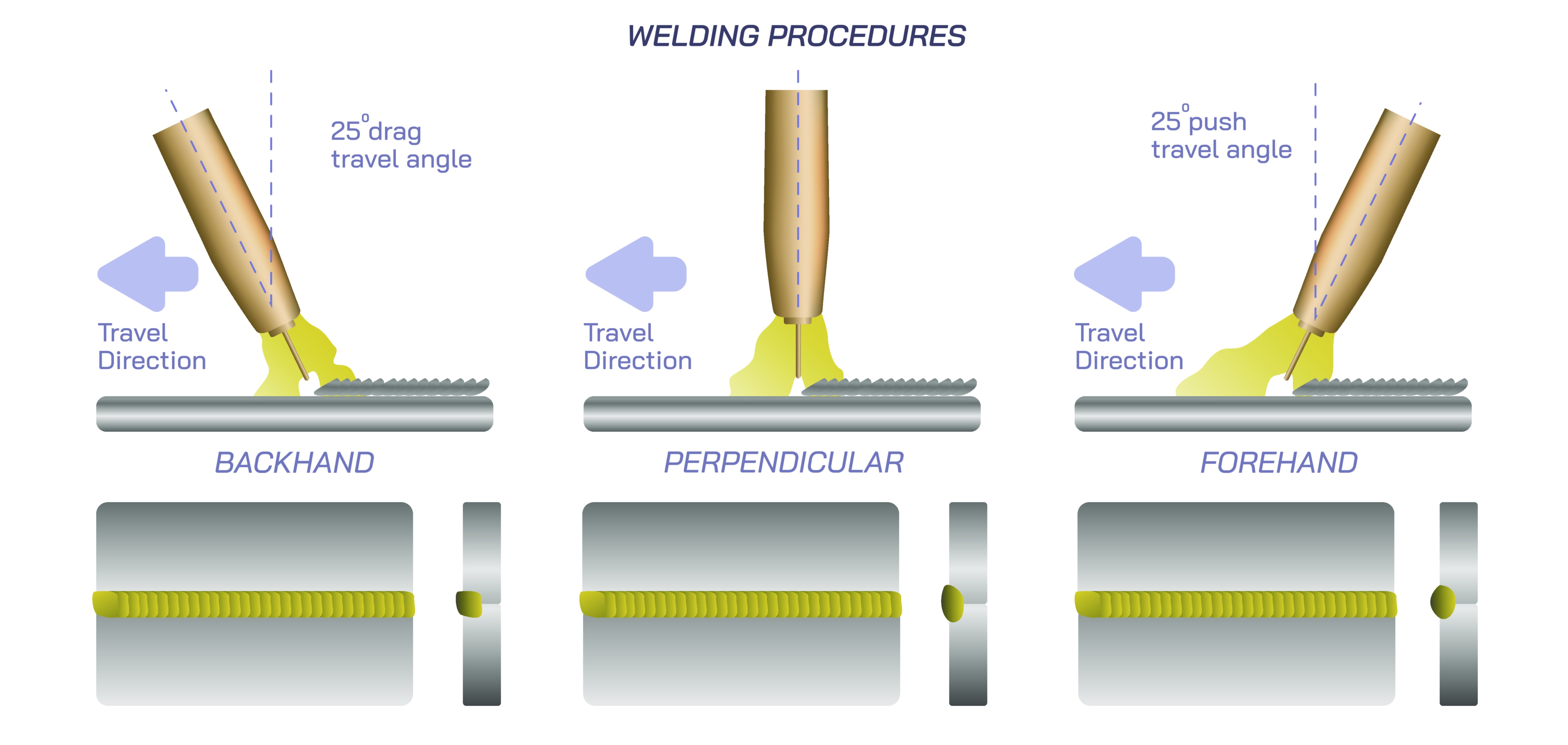
Mastering welding technique begins with understanding body positioning, tool orientation, and controlled movement along the weld path. A key direction in welding practice is maintaining a steady travel speed, which prevents excessive heat buildup that can warp metal or insufficient heat penetration that leads to weak joints. The angle at which the torch or electrode is held affects how molten metal flows and how the weld pool forms. A forward or “push” technique is often used for cleaner welds with greater visibility, while a backward or “drag” technique generates deeper penetration. The welder must also maintain consistent arc length: too long an arc produces spatter and a wide, weak weld bead, while too short an arc causes sticking and overheating. Proper joint preparation—such as beveling, cleaning, and removing contaminants—ensures that molten metal flows correctly into the joint. In multi-pass welding, layering techniques require careful sequencing to avoid inclusions, cracking, or structural distortion. Overall, correct welding directions provide guidelines for motion, consistency, and adaptability, teaching welders how to manipulate heat and movement to produce strong, clean, and uniform welds.
Safety Guidelines That Protect Welders and Surrounding Environments
Safety is an essential dimension of welding directions, as the process involves high temperatures, intense ultraviolet light, molten metal, fumes, and electricity—each posing its own risks. Proper safety technique begins with personal protective equipment (PPE): welding helmets with appropriate shading protect the eyes from arc radiation, while flame-resistant gloves, jackets, and aprons shield the skin from sparks and molten spatter. Ventilation plays a crucial role in preventing inhalation of hazardous fumes and gases produced during welding, particularly in confined spaces where accumulation can lead to health hazards or explosive atmospheres. Electrical safety requires maintaining dry working conditions, grounding equipment correctly, and inspecting cables for wear or damage. Fire safety measures include removing flammable materials from the work area, maintaining fire extinguishers nearby, and implementing spark containment procedures. Eye and face protection extends beyond the welder—bystanders must also avoid exposure to arc flash. Effective safety directions focus not only on personal protection but also on environmental preparation, ensuring that welding operations proceed without preventable accidents or injuries.
Joint Types, Positions, and Their Influence on Welding Quality
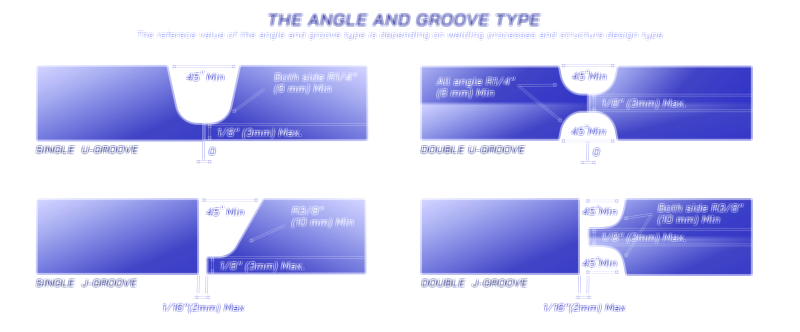
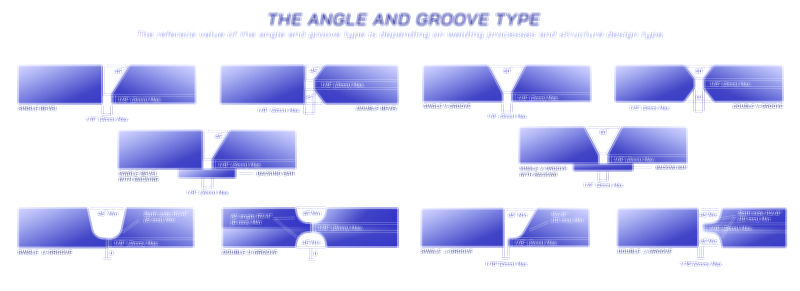
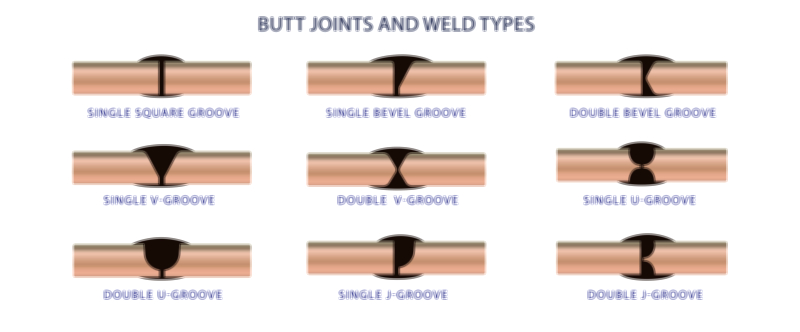
Welding directions often emphasize the importance of joint selection and welding position, as these factors determine how heat distributes and how the weld pool forms. Common joint types—such as butt, lap, T-joint, corner joint, and edge joint—each require tailored approaches to achieve proper fusion and penetration. For example, butt joints rely on accurate alignment and may require beveling for thicker materials, while lap joints depend on controlling heat input to prevent burn-through. Welding positions, including flat, horizontal, vertical, and overhead, significantly influence technique. Flat welding is the most stable and easiest to perform, producing smooth, even beads. Vertical welding requires controlling molten metal flow to prevent sagging, often using upward or downward progression depending on material thickness. Overhead welding demands the highest skill, as molten metal naturally moves downward, requiring rapid, controlled movements and proper heat balance. Understanding these directions ensures that welders adapt their technique to the position and joint type, preserving quality, safety, and structural performance across varying tasks.
Equipment Handling, Inspection, and Operational Best Practices
Effective welding directions include detailed guidance on equipment setup, inspection, and maintenance. Before beginning any weld, the welder must inspect the electrode holder or torch, verify correct power settings, and ensure that shielding gas flow rates are calibrated properly for processes such as MIG or TIG welding. Shielding gas protects molten weld pools from atmospheric contamination, preventing porosity and oxidation. The proper selection of consumables—such as electrode type, filler rod composition, or wire diameter—ensures compatibility with the base metals and desired mechanical properties. Regular inspection of cables, hoses, connections, and power sources prevents electrical hazards, gas leaks, and unexpected machine malfunctions. Good practice also includes managing the weld environment by preheating metals when necessary, monitoring interpass temperatures, and allowing slow cooling to avoid thermal shock or cracking. These procedural directions ensure that equipment functions safely and consistently, supporting welders in producing high-quality results across a range of materials and applications.
Applications of Proper Welding Directions in Industry and Craftsmanship
Following proper welding directions is essential not only for large-scale industrial fabrication but also for automotive repair, pipeline construction, structural reinforcement, artistic metalwork, and household metalcraft. In heavy industries, precise welding guidelines ensure the structural strength of bridges, buildings, ships, and aircraft—applications where weld failure could result in catastrophic consequences. The automotive sector relies on welding directions for chassis fabrication, exhaust assembly, frame repair, and custom modifications. In pipeline and pressure vessel welding, adherence to specific codes and certifications ensures that welds can withstand pressure fluctuations, corrosion, and extreme environmental conditions. Even in artistic and decorative metalwork, proper welding techniques bring precision, symmetry, and aesthetic quality to sculptures and architectural installations. Consistent adherence to welding directions thus supports both safety and craftsmanship, providing welders with the skills necessary to achieve reliability, efficiency, and excellence across professional and creative endeavors.
Illustrating Proper Welding Techniques and Safety Procedures
Illustrations designed to explain welding directions often depict correct torch angles, welding positions, joint types, and hand movements, showing how the welder should guide the electrode or torch along the joint. Visuals typically include diagrams of welding arcs, bead profiles, and heat distribution patterns, helping welders understand how adjustments in speed or angle influence weld quality. Safety illustrations commonly show protective gear, ventilation setups, emergency equipment placement, and safe distances for bystanders. Diagrams may also highlight common weld defects—such as undercut, porosity, lack of fusion, or excessive spatter—and the corrective techniques used to avoid them. These visual aids offer practical guidance that reinforces written instructions, ensuring that welders can internalize proper methods and apply them confidently in real-world conditions.