Copper patina and corrosion refer to the gradual surface changes that occur when copper interacts with its surrounding environment over extended periods. These changes are the result of natural chemical reactions between copper and elements present in air, water, and pollutants. While the terms patina and corrosion are often used interchangeably, they represent different outcomes of copper’s interaction with environmental factors. Patina is generally a stable and protective surface layer, whereas corrosion is a broader process that can include both protective and destructive reactions. Understanding this distinction is essential for appreciating copper’s durability, appearance, and long-term performance in natural and industrial settings.
Patina is the thin, often green or blue-green layer that forms naturally on the surface of copper when it is exposed to air and moisture over time. This layer develops through a series of slow chemical reactions involving oxygen, water vapor, carbon dioxide, and sometimes sulfur-containing compounds present in the atmosphere. The formation of patina is a gradual process that may take years or even decades, depending on environmental conditions. The color and texture of the patina can vary from pale green to deep turquoise or bluish-green, influenced by climate, pollution levels, and proximity to marine environments.
The chemical basis of copper patina formation begins with oxidation. When freshly exposed copper comes into contact with oxygen in the air, it reacts to form a thin layer of copper oxide on the surface. This initial oxide layer is usually dark brown or black. Over time, as moisture and carbon dioxide interact with the copper oxide, additional reactions occur that lead to the formation of basic copper carbonate compounds. These compounds are responsible for the characteristic green patina commonly seen on aged copper structures such as roofs, domes, and statues.
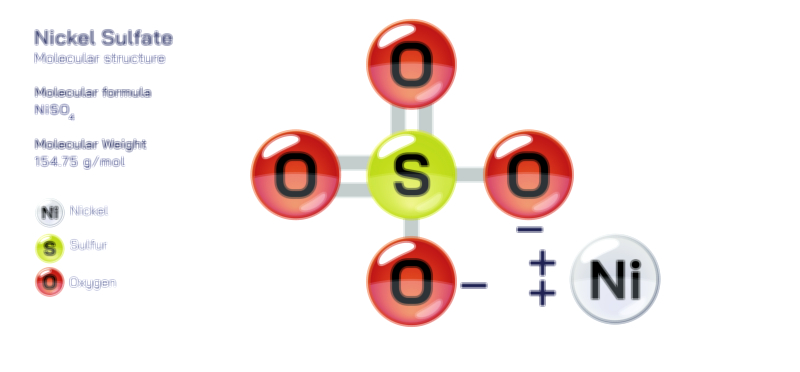
In environments containing sulfur compounds, such as areas affected by industrial emissions or volcanic activity, copper can also react to form copper sulfates or copper sulfides. These reactions contribute to variations in patina color and texture. Despite these differences, the resulting patina layer remains relatively stable and adheres tightly to the copper surface. This stability is a key reason why patina is considered beneficial rather than harmful.
One of the most important characteristics of copper patina is its protective function. Unlike the rust that forms on iron, which flakes off and exposes fresh metal to further corrosion, copper patina acts as a barrier. It isolates the underlying metal from direct contact with the environment, significantly slowing down further chemical reactions. This protective quality allows copper structures to survive for centuries with minimal structural damage. Historic monuments and architectural elements made from copper often retain their integrity despite extensive surface patina.
Corrosion, in contrast, is a broader term that describes the overall chemical deterioration of copper due to environmental exposure. While patina formation is a type of corrosion, not all corrosion results in a protective layer. Corrosion becomes damaging when environmental conditions cause copper to react in ways that weaken the metal, leading to surface pitting, thinning, or structural breakdown. These destructive forms of corrosion typically occur when copper is exposed to aggressive substances such as strong acids, salts, or highly polluted atmospheres.
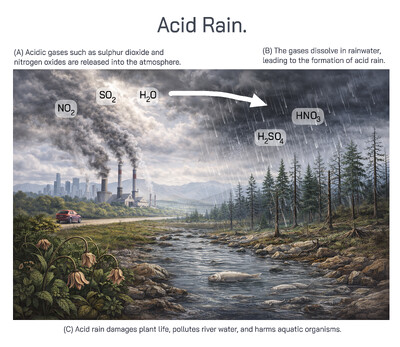
Acidic environments accelerate copper corrosion by dissolving protective oxide and patina layers. Exposure to acidic rain, industrial chemicals, or cleaning agents can strip away the stable patina and expose fresh copper to further attack. In such cases, corrosion proceeds more rapidly and may result in visible damage such as pits, rough textures, or localized metal loss. Unlike patina, which forms uniformly, damaging corrosion often appears uneven and can compromise the strength of copper components.
Salt exposure is another major factor contributing to harmful copper corrosion. In coastal or marine environments, airborne salt particles settle on copper surfaces. Salt acts as an electrolyte, promoting electrochemical reactions that accelerate metal deterioration. This type of corrosion can penetrate deeper into the copper, especially in areas where moisture is frequently present. Over time, this can lead to structural weakening if not properly managed.
The difference between patina and destructive corrosion lies largely in the balance between chemical stability and environmental aggressiveness. Patina forms under relatively mild conditions where copper reacts slowly and predictably with air and moisture. Destructive corrosion occurs when the environment overwhelms copper’s natural resistance, preventing the formation of a stable protective layer. Understanding this balance is critical in material science, architecture, and conservation.
From an aesthetic perspective, copper patina is often valued for its appearance. Architects and designers frequently incorporate copper into buildings specifically to achieve the natural aging effect that results in a green patina. This surface transformation is seen as a symbol of age, permanence, and harmony with the environment. In some cases, patina is artificially induced using controlled chemical treatments to achieve a desired visual effect more quickly.
In contrast, damaging corrosion is undesirable and requires preventive measures. Protective coatings, controlled environments, and proper material selection help minimize exposure to corrosive agents. In industrial applications, copper components may be shielded from acids or salts to preserve performance and extend service life. Regular inspection and maintenance are essential in environments where copper corrosion could compromise safety or function.
Copper’s behavior under corrosion highlights its unique position among metals. While many metals suffer rapid degradation when exposed to air and moisture, copper’s tendency to form a stable patina gives it exceptional longevity. This property explains why copper has been used for centuries in roofing, plumbing, coinage, and artistic works. Even when corrosion occurs, it often progresses slowly and predictably, allowing for effective management.
In scientific and educational contexts, copper patina and corrosion provide clear examples of surface chemistry and environmental interaction. The gradual color change and layer formation illustrate fundamental concepts such as oxidation, chemical equilibrium, and material protection. These processes demonstrate how natural chemical reactions can either preserve or degrade materials depending on surrounding conditions.
Copper patina and corrosion can also be understood through the lens of electrochemistry, where copper behaves as an active participant in slow surface reactions driven by differences in electrical potential. When copper is exposed to the environment, microscopic electrochemical cells form across its surface. Variations in moisture, oxygen concentration, and surface impurities create tiny anodic and cathodic regions. In anodic areas, copper atoms lose electrons and enter solution as copper ions, while cathodic regions facilitate reduction reactions involving oxygen or hydrogen ions. Over time, these localized reactions determine whether the surface develops a uniform protective patina or experiences uneven, damaging corrosion.
The crystallographic structure of copper plays a crucial role in how patina develops. Copper has a face-centered cubic crystal lattice, which allows relatively even atomic bonding across the surface. This uniformity contributes to the formation of a tightly adherent patina layer rather than a flaky or porous corrosion product. The patina bonds strongly to the underlying metal, reducing the likelihood of delamination. This structural advantage explains why copper artifacts survive for centuries while iron-based materials often degrade rapidly under similar exposure.
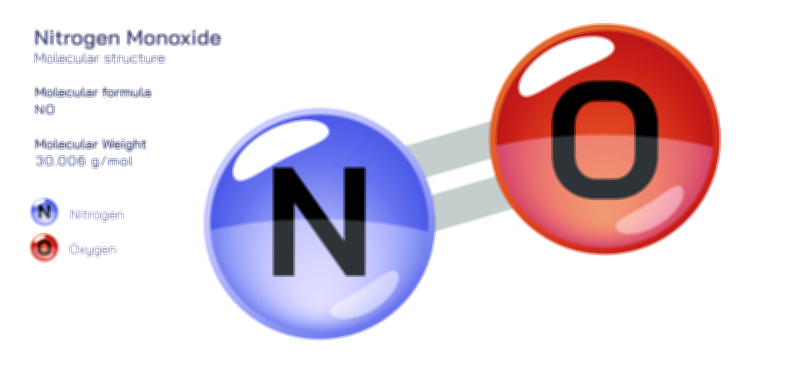
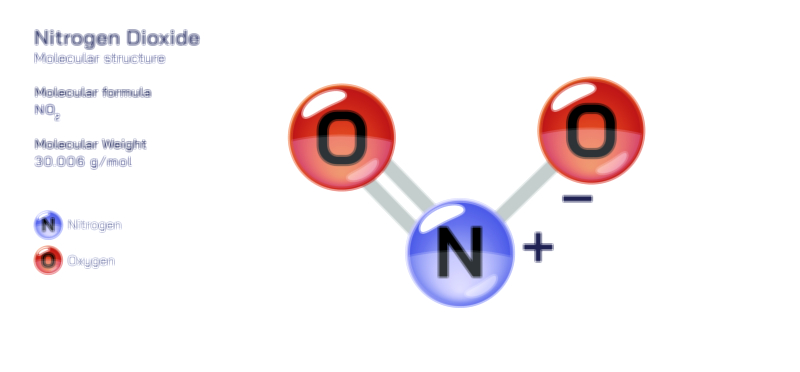
Environmental chemistry strongly influences the exact composition of copper patina. In urban atmospheres, nitrogen oxides and sulfur dioxide from vehicle emissions and industrial activity alter patina chemistry, producing darker or more complex surface layers. In rural or alpine environments with cleaner air, patina formation tends to be slower and more uniform, resulting in softer green tones. Marine environments introduce chloride ions, which can interact with copper surfaces and produce copper chlorides that alter both color and corrosion behavior. These variations allow scientists to use patina composition as an indicator of historical environmental conditions.
From a thermodynamic perspective, patina formation represents a state of lowered energy for the copper surface. Once the patina layer stabilizes, further reactions become energetically unfavorable, slowing corrosion significantly. This equilibrium state is why copper roofing systems often require no protective coatings and can last well over a century. The patina essentially acts as a self-generated corrosion inhibitor, a property rarely found in structural metals.
In archaeology and conservation science, copper patina serves as a critical tool for dating and authentication. The thickness, layering, and chemical composition of patina can provide insight into the age of copper artifacts and the conditions under which they were buried or exposed. Artificial patinas created using modern chemicals often lack the complex stratification found in naturally aged copper, making patina analysis a valuable method for detecting forgery in historical objects and coins.
Copper corrosion also behaves differently depending on whether the metal is in contact with other materials. When copper is electrically connected to metals such as iron, aluminum, or zinc in the presence of moisture, galvanic corrosion can occur. In such cases, copper typically acts as the cathode, accelerating corrosion in the less noble metal. This interaction is especially important in plumbing, roofing, and electrical systems, where improper material pairing can lead to unexpected degradation.
The role of patina in copper coinage extends beyond aesthetics. On ancient and circulating coins, patina can protect fine details from wear and slow further oxidation. Collectors often value natural patina as evidence of authenticity and age, whereas aggressive cleaning that removes patina can permanently reduce historical and monetary value. The balance between preservation and restoration is therefore a critical consideration in numismatics.
In industrial applications, copper corrosion behavior influences design choices in heat exchangers, electrical contacts, and marine equipment. Engineers account for patina formation when selecting copper alloys, adjusting composition to optimize resistance under specific operating conditions. Alloying copper with elements such as nickel, tin, or phosphorus can modify patina characteristics and improve resistance to aggressive corrosion environments without eliminating copper’s beneficial surface stability.
Biological factors can also influence copper patina development. Certain microorganisms can interact with copper surfaces, either accelerating corrosion through metabolic byproducts or contributing to bio-patina formation. In some environments, biofilms alter surface chemistry, changing how copper reacts with oxygen and moisture. These interactions are an active area of research in materials science and environmental engineering.
In architectural conservation, patina management is a specialized discipline. Conservators must decide whether to preserve existing patina, stabilize it, or remove corrosive compounds without exposing fresh copper. Modern conservation techniques aim to retain patina while neutralizing harmful reactions using controlled treatments and protective coatings that remain invisible to the eye. This approach respects both the structural integrity and historical appearance of copper surfaces.
The long-term sustainability of copper as a material is closely tied to its corrosion behavior. Because copper does not require frequent replacement due to corrosion, it reduces material consumption and environmental impact over time. This longevity makes copper one of the most sustainable metals in construction and infrastructure, despite its higher initial cost compared to alternatives.
In educational science, copper patina serves as a practical demonstration of surface chemistry, redox reactions, and environmental interaction. Observing copper aging provides insight into how materials respond to their surroundings and how chemistry governs durability. These lessons extend beyond copper, informing broader understanding of corrosion science across metals.
Ultimately, copper patina and corrosion illustrate a rare case where natural chemical processes enhance rather than destroy a material. The ability of copper to develop a stable, protective surface layer places it among the most enduring engineering metals known. Its interaction with the environment reflects a balance between reactivity and resistance, making copper a material where time itself becomes a protective ally rather than an enemy.
Copper patina and corrosion can also be examined through kinetic reaction rates, which describe how quickly surface reactions occur under varying environmental conditions. While thermodynamics explains whether patina formation is favorable, kinetics determines how fast the process progresses. Temperature, humidity, surface roughness, and atmospheric composition directly influence reaction speed. Warmer climates accelerate oxidation and carbonate formation, while colder or arid environments significantly slow patina development. This explains why copper objects age at dramatically different rates across geographic regions, even when exposed for similar time periods.
Surface morphology plays a critical role in copper’s interaction with the environment. Microscopic scratches, machining marks, and casting textures influence how moisture and gases adhere to copper surfaces. Rough surfaces provide more nucleation sites for chemical reactions, often resulting in thicker or more irregular patina layers. Polished copper, by contrast, develops patina more slowly and uniformly. This property is intentionally used in architectural design, where surface finishing techniques are selected to control the visual aging of copper installations.
Copper alloys exhibit patina behavior distinct from pure copper. The addition of tin, zinc, aluminum, or nickel alters both color evolution and corrosion resistance. Bronze, an alloy of copper and tin, forms darker, more stable patinas that are often brown or olive-toned. Brass, containing copper and zinc, develops patinas that may include yellow, brown, or green hues depending on zinc content and environmental exposure. These alloy-specific patinas influence conservation strategies and explain why historical artifacts display diverse surface appearances despite similar ages.
In atmospheric science, copper patina has been used as a passive indicator of air quality. Long-term exposure studies reveal correlations between patina composition and pollution levels. Elevated sulfur compounds result in sulfate-rich layers, while nitrogen oxides contribute to nitrate formation. By analyzing patina chemistry, researchers can reconstruct historical pollution trends, providing valuable data for environmental monitoring and climate research.
From an electrochemical standpoint, copper corrosion involves diffusion-controlled reactions where the movement of ions through patina layers governs reaction rates. As patina thickens, diffusion slows, limiting access of reactants to the metal surface. This self-limiting behavior explains why copper corrosion rarely penetrates deeply unless external forces disrupt the protective layer. Mechanical abrasion, acidic washing, or salt crystallization can break this diffusion barrier, restarting active corrosion.
Copper patina also interacts with light in unique ways. The microcrystalline structure of patina layers scatters light unevenly, producing the soft, matte appearance associated with aged copper. This optical behavior differs from polished metals that reflect light specularly. Artists and architects exploit this property to create surfaces that appear visually calm, timeless, and integrated with natural surroundings.
In urban infrastructure, copper’s corrosion resistance contributes to long-term reliability in electrical systems. Oxide and patina layers formed on copper conductors are thin enough to maintain electrical conductivity while still protecting the metal beneath. This balance is one reason copper remains the preferred material for electrical wiring despite exposure to air and humidity over decades.
In marine engineering, copper’s interaction with seawater leads to controlled corrosion behavior that can be advantageous. Copper-based alloys are used in ship hulls and marine fittings because their corrosion products discourage biofouling. The gradual formation of copper compounds on the surface inhibits the attachment of algae and marine organisms, reducing drag and maintenance requirements.
Cultural perceptions of copper patina vary across societies. In some traditions, green patina symbolizes wisdom, age, and permanence, while in others it may be associated with neglect or decay. These cultural interpretations influence conservation decisions, especially in historical monuments where public perception plays a role in restoration policies. The choice to preserve or remove patina often reflects societal values rather than purely technical considerations.
In modern material engineering, controlled patination techniques are used to replicate natural aging in a predictable manner. By adjusting humidity, temperature, and chemical exposure, manufacturers can produce stable patina layers in controlled environments. This allows copper products to achieve aged aesthetics without decades of natural exposure, while still maintaining structural integrity.
Copper corrosion also intersects with sustainability and circular economy principles. Because copper does not suffer catastrophic corrosion, it retains high recyclability even after long service lives. Patina-covered copper can be melted and reused without loss of material quality. This recyclability reduces mining demand and environmental impact, reinforcing copper’s role as a sustainable industrial metal.
In biomedical environments, copper’s surface chemistry has gained attention due to antimicrobial properties. While not directly related to patina aesthetics, copper’s surface reactions disrupt microbial cell membranes. Even oxidized copper surfaces retain antimicrobial effectiveness, making copper valuable in healthcare settings where surface hygiene is critical.
From a legal and heritage protection perspective, patina plays a role in artifact classification and ownership disputes. The presence of natural patina can serve as evidence of antiquity, influencing museum acquisitions and legal rulings regarding cultural heritage objects. Artificially altered surfaces may raise authenticity concerns.
In education and outreach, copper patina serves as a tangible example of slow chemical change, contrasting with rapid laboratory reactions. This makes it an effective teaching tool for illustrating long-term environmental chemistry and material aging processes.
In summary, copper patina and corrosion represent two related but distinct surface processes. Patina is a thin, stable, green or blue-green layer formed through reactions with oxygen, moisture, carbon dioxide, and sulfur compounds. This layer protects the copper beneath and enhances its longevity. Corrosion is a broader process that includes patina formation but also encompasses more aggressive reactions caused by acids, salts, or pollutants that can weaken and damage the metal. Understanding the difference between these processes explains why copper remains one of the most durable and valuable metals for long-term use in architecture, industry, and art. Copper patina and corrosion represent a rare case where chemical reactivity enhances durability rather than undermining it. The interplay between surface chemistry, environmental conditions, and material structure allows copper to age gracefully, developing protective and aesthetically valued layers over time. This unique behavior has secured copper’s place not only as a functional engineering material but also as a symbol of endurance, continuity, and harmony between human creation and natural processes.