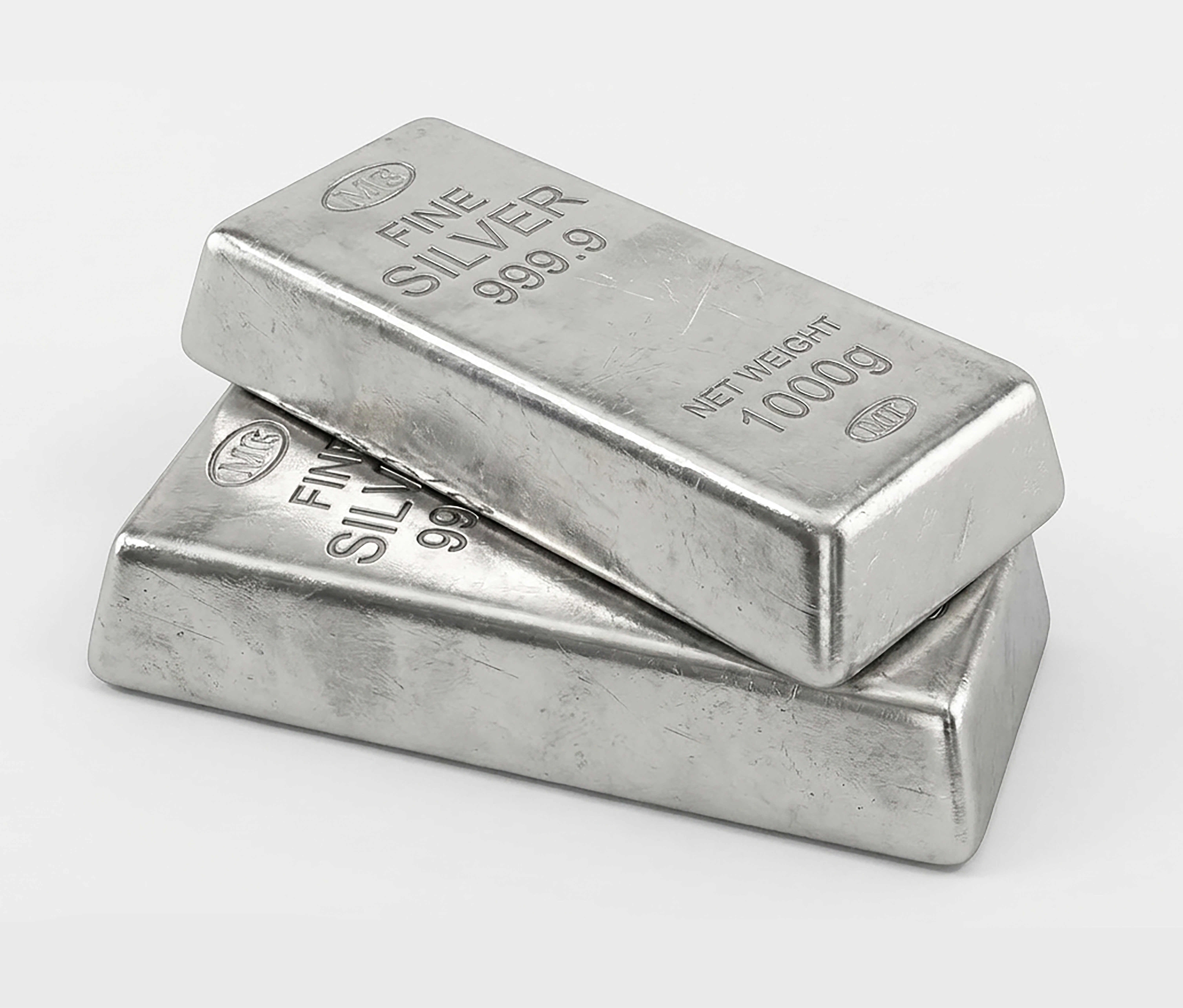
Silver is one of the most significant metals known to humanity, admired for its brilliant luster, remarkable physical properties, and wide-ranging applications across civilizations and industries. From ancient ornaments and currency to advanced electronics and medical technologies, silver has maintained its relevance for thousands of years. Its importance lies not only in its beauty as a precious metal but also in its exceptional functional characteristics, which make it indispensable in the modern world.
Silver is a naturally occurring metallic element distinguished by its bright white shine and high reflectivity. Among all metals, it possesses the highest electrical and thermal conductivity, a property that sets it apart and makes it critical for scientific and industrial use. This superior conductivity allows electrical current and heat to pass through silver with minimal resistance, making it an ideal material for precision electronics, electrical contacts, and advanced energy systems. In addition, silver is highly malleable and ductile, meaning it can be shaped into thin sheets or drawn into fine wires without breaking, a quality that enhances its usefulness in both artistic and technical fields.
Historically, silver has played a central role in human civilization. Ancient societies valued silver as a symbol of wealth, purity, and power. It was widely used in coins, jewelry, utensils, and ceremonial objects. Unlike some metals that corrode rapidly, silver remains relatively stable, allowing ancient artifacts to survive for centuries. This durability contributed to its early adoption as a medium of exchange, enabling the development of trade systems and economic structures. Many early economies were built on silver-based currencies, and for long periods, silver standards formed the backbone of international trade.
Culturally, silver holds deep symbolic meaning across different societies. It has often been associated with the moon, clarity, and protection. In traditional practices, silver objects were believed to ward off negative influences and promote well-being. Silver jewelry has been worn not only for decoration but also for perceived health and spiritual benefits. These cultural associations continue today, contributing to the enduring demand for silver ornaments and artifacts.
In modern times, silver’s importance has expanded far beyond decorative and monetary uses. Industrial applications now account for a significant portion of global silver consumption. In electronics, silver is used in circuit boards, switches, connectors, and microcomponents because of its unmatched conductivity and reliability. Even small amounts of silver can dramatically improve the efficiency and lifespan of electronic devices, making it a critical material in smartphones, computers, and communication equipment.
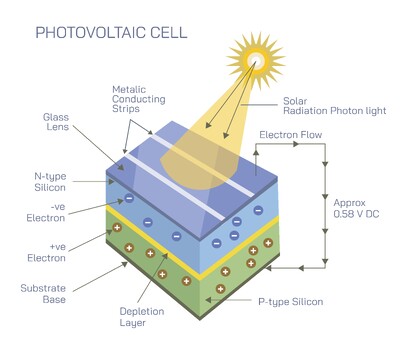
Silver also plays a vital role in renewable energy technologies. In solar panels, silver is used in conductive pastes that help convert sunlight into electricity. As the world increasingly shifts toward clean and sustainable energy sources, the demand for silver in solar technology continues to grow. This connection between silver and green energy highlights its strategic importance in addressing global environmental challenges and supporting long-term energy solutions.
Another crucial area where silver demonstrates its value is medicine and healthcare. Silver has natural antimicrobial properties, meaning it can inhibit the growth of bacteria, fungi, and other microorganisms. This quality has been known since ancient times, when silver vessels were used to preserve water and food. Today, silver is widely used in medical equipment, wound dressings, surgical tools, and coatings for implants. Silver-based compounds help reduce the risk of infection, particularly in hospitals where antibiotic-resistant bacteria pose serious threats. Its role in modern medicine underscores silver’s importance not just as a material of wealth, but as a protector of human health.
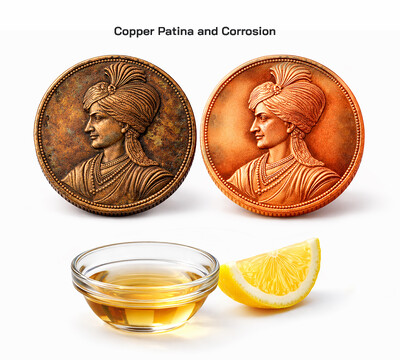
Silver’s chemical behavior also contributes to its usefulness. While it does not react aggressively with air or water, it can tarnish when exposed to sulfur-containing compounds, forming a dark surface layer. This tarnishing does not damage the metal itself and can often be removed, preserving silver’s underlying structure. In metallurgy, silver is commonly alloyed with other metals to enhance strength and durability. Sterling silver, for example, combines silver with small amounts of other metals to create a material suitable for everyday use while retaining silver’s desirable appearance.
From an economic perspective, silver holds a unique position among precious metals. It is both an industrial metal and a store of value. Investors often view silver as a hedge against inflation and economic uncertainty, similar to gold, but with the added advantage of strong industrial demand. This dual role influences silver prices and market dynamics, making it an important asset in global financial systems. Silver mining and refining industries provide employment and contribute to the economies of many countries, further emphasizing its global significance.
Environmental and sustainability considerations have also brought renewed attention to silver. Recycling silver from electronic waste, industrial scrap, and old jewelry helps reduce the need for new mining, conserving natural resources and minimizing environmental impact. Advances in recycling technology are making it possible to recover silver more efficiently, supporting a more sustainable supply chain. As industries become more environmentally conscious, silver’s recyclability enhances its long-term value and relevance.
In scientific research, silver continues to be a material of interest. Its unique optical properties are used in mirrors, coatings, and advanced imaging technologies. In nanotechnology, silver nanoparticles are studied for their antimicrobial effects and potential applications in medicine, water purification, and materials science. These ongoing innovations suggest that silver’s importance will continue to grow as new technologies emerge.
Beyond its well-known historical, industrial, and cultural roles, silver occupies a unique position in the natural sciences due to its atomic structure and behavior at the microscopic level. The arrangement of silver atoms in a tightly packed crystalline lattice contributes directly to its exceptional conductivity and reflectivity. At the atomic scale, silver allows electrons to move with extraordinary freedom, reducing energy loss and making it an ideal benchmark material for testing electrical efficiency. This microscopic efficiency is one reason silver is often used as a reference material in laboratory experiments involving conductivity and surface physics.
In the field of optics and photonics, silver has properties that surpass most other metals. Its ability to reflect visible light with minimal absorption makes it essential in high-precision mirrors used in telescopes, satellites, and laser systems. Astronomical instruments rely on silver-coated mirrors to capture faint light from distant celestial objects, enabling deeper exploration of space. In advanced optical coatings, thin layers of silver are engineered at the nanometer scale to control light transmission, polarization, and heat reflection, playing a key role in energy-efficient windows and thermal regulation systems used in modern architecture.
Silver’s relevance in chemistry extends to its catalytic behavior in industrial reactions. Certain chemical processes use silver-based catalysts to accelerate reactions without being consumed. These catalysts are critical in the production of materials such as formaldehyde and ethylene oxide, which serve as building blocks for plastics, adhesives, textiles, and pharmaceuticals. The stability of silver under high temperatures and reactive environments allows it to perform consistently in demanding industrial conditions, reinforcing its value in large-scale manufacturing.
In environmental science, silver contributes to water treatment and purification technologies. Silver-infused filtration systems are used to inhibit microbial growth in drinking water supplies, especially in regions lacking access to advanced sanitation infrastructure. Unlike chemical disinfectants that may leave harmful residues, silver-based systems provide long-lasting antimicrobial action with minimal environmental impact. This makes silver particularly valuable in emergency relief efforts, remote communities, and space missions where clean water is essential and resources are limited.
The role of silver in aerospace and defense technologies further illustrates its strategic importance. Silver-coated components are used in high-frequency communication systems, radar equipment, and guidance systems due to their reliability and resistance to signal degradation. In extreme environments, such as outer space or high-altitude aviation, materials must withstand temperature fluctuations, radiation, and mechanical stress. Silver’s stability and conductive performance under such conditions make it a trusted material for mission-critical applications.
Silver also plays an understated but essential role in food preservation and packaging technologies. Modern food storage systems sometimes incorporate silver-based antimicrobial layers to reduce spoilage and extend shelf life. These applications build upon ancient knowledge while applying modern material science to address contemporary challenges related to food security, waste reduction, and public health. The use of silver in these contexts demonstrates how traditional properties can be adapted to solve modern problems.
In the realm of education and scientific instrumentation, silver remains fundamental. High-quality laboratory equipment, reference electrodes, and calibration devices frequently incorporate silver due to its predictable electrochemical behavior. These tools ensure accuracy in measurements across chemistry, physics, and environmental monitoring. Without such stable reference materials, many scientific experiments and industrial quality-control processes would be far less reliable.
From a geopolitical perspective, silver resources influence global trade relationships and strategic planning. Countries with significant silver reserves often integrate the metal into broader resource management and export strategies. Because silver supports both civilian industries and advanced technologies, its supply chain intersects with national security, technological independence, and economic resilience. This strategic relevance elevates silver beyond a mere commodity, positioning it as a material of national and international importance.
Silver’s interaction with emerging digital technologies is another area of growing relevance. As data transmission speeds increase and electronic components become smaller, materials with minimal signal loss are essential. Silver’s conductivity supports the miniaturization of components while maintaining performance, enabling progress in artificial intelligence hardware, data centers, and high-speed networking. These behind-the-scenes contributions make silver a silent enabler of the digital age.
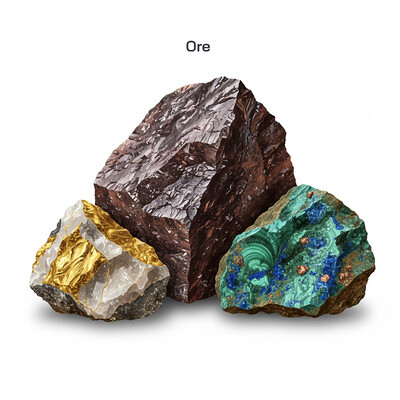
An often-overlooked aspect of silver’s importance lies in its natural distribution within the Earth’s crust and the geological processes that govern its availability. Silver is relatively rare compared to base metals, yet more abundant than gold, placing it in a unique middle ground that influences both its accessibility and value. It is seldom found in large pure deposits and is more commonly extracted as a byproduct of mining operations for lead, zinc, copper, and gold. This dependence on other mining activities means that silver supply is not solely controlled by silver demand, but also by global trends in base metal production. As a result, silver availability can fluctuate independently of its own market needs, adding complexity to its long-term supply outlook.
The refining and purification of silver represent another critical area of significance. Modern silver refining involves advanced electrochemical processes that allow impurities to be removed at extremely high precision. These techniques produce silver of exceptional purity, often exceeding levels required for scientific and technological applications. Ultra-pure silver is essential in experimental physics, semiconductor fabrication, and precision measurement systems where even microscopic impurities can alter results. The refinement process itself has driven innovation in metallurgy and industrial chemistry, influencing how other metals are processed and purified.
Silver’s behavior under extreme conditions further distinguishes it from many other metals. At very low temperatures, silver exhibits highly predictable electrical characteristics, making it valuable in cryogenic research and superconductivity-related experiments. In high-temperature environments, silver maintains structural integrity better than many conductive materials, allowing it to function reliably in thermal sensors, industrial furnaces, and high-performance engines. This wide operating range enhances silver’s suitability for specialized scientific and industrial applications where environmental stability is critical.
In the field of acoustics and signal transmission, silver plays a subtle but influential role. High-end audio equipment and precision signal cables sometimes use silver or silver-coated conductors to minimize signal distortion. The clarity and fidelity demanded in professional sound engineering, broadcasting, and scientific instrumentation benefit from silver’s ability to transmit signals with minimal loss. While these uses may not consume large quantities of metal, they underscore silver’s role in applications where quality and precision are paramount.
Silver’s interaction with biological systems is another expanding area of research. Beyond its antimicrobial properties, scientists are investigating how silver ions interact at the cellular level. Controlled applications of silver are being explored in tissue engineering, regenerative medicine, and diagnostic tools. Researchers study how silver-based materials can be designed to interact safely with human cells while preventing harmful microbial growth. These investigations aim to balance effectiveness with biocompatibility, opening possibilities for advanced medical devices and therapeutic technologies.
The relationship between silver and atmospheric science also deserves attention. Silver iodide has long been used in cloud seeding experiments intended to stimulate precipitation. While the practice is carefully regulated and debated, it demonstrates how silver compounds can influence environmental processes on a large scale. This application highlights silver’s chemical versatility and its potential role in climate-related research, water resource management, and meteorological studies.
From a historical-materials perspective, silver has contributed to the preservation of knowledge itself. Early photographic technologies relied heavily on silver compounds to capture and store images. Although digital imaging has largely replaced traditional photography, the development of visual documentation, medical imaging, and motion pictures was deeply tied to silver-based chemistry. This legacy continues to influence archival science, as many historical records and artworks preserved on photographic media depend on silver for their longevity and clarity.
Silver’s economic resilience is also linked to its divisibility and practicality. Unlike some precious materials that are difficult to measure or use in small quantities, silver can be easily divided without losing intrinsic value. This characteristic historically supported local trade and continues to influence its role in small-scale investment and manufacturing. The ability to repurpose and reprocess silver repeatedly without significant degradation ensures its continued circulation within industrial and economic systems.
In the context of global sustainability goals, silver’s efficiency per unit mass becomes increasingly important. Many modern technologies require only microscopic layers or particles of silver to achieve significant performance gains. This high efficiency allows industries to reduce material usage while maximizing functionality. As resource efficiency becomes a defining principle of future manufacturing, silver’s ability to deliver high performance with minimal material input enhances its strategic appeal.
Looking forward, silver’s role in emerging frontier technologies is expected to expand. Research into smart surfaces, self-cleaning materials, and adaptive electronic components frequently incorporates silver due to its responsiveness and stability. As societies demand materials that are not only functional but also durable, efficient, and adaptable, silver continues to meet these evolving requirements. Its capacity to integrate into both established industries and cutting-edge innovations ensures that silver remains a cornerstone material whose significance will extend well into the future, shaping scientific progress, technological development, and sustainable growth in ways that are still unfolding. Silver’s future importance lies in its adaptability. As scientific understanding advances, new ways to manipulate silver at atomic and molecular levels continue to emerge. From bio-compatible coatings to smart materials that respond to environmental changes, silver remains a foundation for innovation. Its rare combination of beauty, stability, efficiency, and versatility ensures that silver will continue to shape technology, science, and society in ways that extend far beyond its traditional image as a precious metal.
In conclusion, silver is far more than a decorative precious metal. Its exceptional physical properties, historical significance, cultural symbolism, and wide-ranging applications make it one of the most important materials in human history and modern society. From ancient coins to cutting-edge electronics and life-saving medical technologies, silver bridges the past and the future. Its role in industry, health, energy, and finance ensures that silver will remain a vital and valued resource for generations to come.