A kaleidoscope is a fascinating optical device that produces endlessly changing symmetrical patterns through the reflection of light and colored objects. It combines principles of physics, geometry, and visual art into a single instrument that appeals to both scientific curiosity and aesthetic appreciation. Although often associated with toys and decorative objects, the kaleidoscope is deeply rooted in optical science and has played a meaningful role in education, design, and creative exploration for centuries.
The word kaleidoscope originates from Greek roots meaning “beautiful form to see,” which perfectly describes the experience of looking through the device. The kaleidoscope was invented in the early nineteenth century by a Scottish scientist who was studying the behavior of light and reflection. What began as a scientific experiment soon captured public imagination, spreading rapidly across Europe and beyond. Its ability to generate complex and harmonious patterns from simple materials made it both a scientific curiosity and a cultural phenomenon.
Structurally, a traditional kaleidoscope consists of a cylindrical tube containing reflective surfaces, usually mirrors, arranged at precise angles. At one end of the tube is an eyepiece through which the observer looks, while the opposite end holds small, loose pieces of colored glass, beads, or other translucent materials. These fragments are enclosed in a transparent chamber that allows light to enter. As the tube is rotated, the pieces move and rearrange, creating new combinations of reflected images.
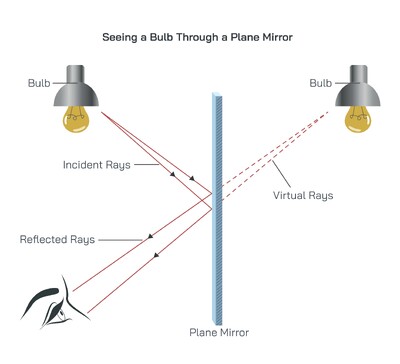
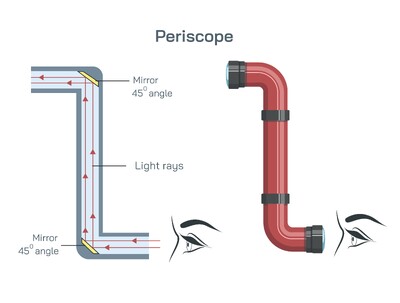
The core working principle of a kaleidoscope is multiple reflection. When light enters the device, it passes through the colored fragments and reflects off the mirrors inside. Because the mirrors are placed at specific angles to each other, each fragment is reflected many times, forming a repeating pattern that appears symmetrical and balanced. The angle between the mirrors determines the number of repeated segments and the overall geometry of the pattern. Even a small movement of the device results in a completely new visual arrangement.
The patterns seen in a kaleidoscope are examples of radial symmetry, where shapes repeat around a central point. This symmetry gives the images a sense of order and harmony, even though the arrangement of the fragments is random. The brain naturally finds symmetrical patterns pleasing, which explains the enduring appeal of kaleidoscopic visuals. Each pattern exists only for a moment before transforming into another, making the experience dynamic and immersive.
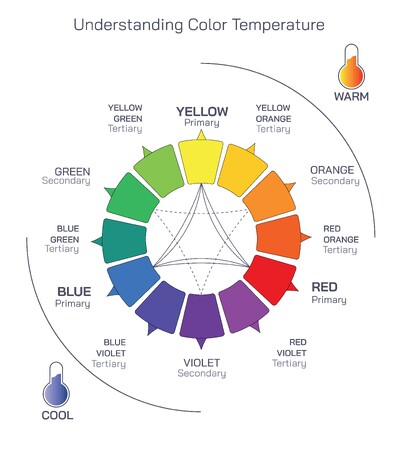
Color plays a crucial role in the kaleidoscope’s visual effect. Light passing through differently colored fragments creates variations in brightness, contrast, and hue. Depending on the materials used, patterns can appear soft and pastel-like or vivid and bold. Transparent and translucent pieces allow light to pass through and blend colors, while reflective or opaque elements add sharp highlights and depth. This interaction between light and material enhances the richness of the patterns.
There are several types of kaleidoscopes, each designed for different purposes. Traditional kaleidoscopes use loose colored pieces that shift freely, producing constantly changing designs. Teleidoscopes replace the colored fragments with a clear lens, allowing external scenes to be reflected and transformed into symmetrical patterns. This type connects the kaleidoscope directly with the surrounding environment, turning everyday objects into abstract art. Oil-filled kaleidoscopes slow down the movement of fragments, creating smoother and more fluid pattern transitions.
Kaleidoscopes are not limited to entertainment; they are valuable educational tools. In physics and optics education, kaleidoscopes help demonstrate fundamental concepts such as reflection, angle measurement, and light behavior. By observing how patterns change with mirror angles, learners gain an intuitive understanding of geometric symmetry and optical principles. This hands-on experience makes abstract scientific ideas more accessible and engaging.
In art and design, kaleidoscopes have served as a source of inspiration for centuries. The symmetrical patterns they produce influence textile design, architecture, digital art, jewelry, and visual branding. Designers often study kaleidoscopic symmetry to create balanced and visually striking compositions. The idea of repeating motifs arranged around a central axis is widely used in decorative arts and cultural designs across the world.
Psychologically, kaleidoscopic images can have a calming and meditative effect. The slow transformation of patterns, combined with harmonious color arrangements, can promote relaxation and focus. For this reason, kaleidoscope visuals are sometimes used in therapeutic settings, mindfulness practices, and creative relaxation exercises. The experience encourages observation without judgment, allowing the viewer to immerse themselves in the present moment.
The kaleidoscope also plays a role in understanding human visual perception. Studying how the brain interprets symmetrical and repeating patterns helps scientists explore how visual information is processed. The pleasure derived from kaleidoscopic images highlights the brain’s natural attraction to order and balance. This connection between optics and psychology makes the kaleidoscope an interesting subject in interdisciplinary studies.
Modern technology has expanded the concept of the kaleidoscope beyond physical devices. Digital kaleidoscope effects are widely used in photography, animation, and virtual reality. These digital interpretations apply the same principles of reflection and symmetry to pixels and images, allowing infinite customization. Despite technological advancements, the fundamental concept remains unchanged: transforming simple visual elements into complex and beautiful patterns through reflection.
Culturally, the kaleidoscope symbolizes creativity, transformation, and perspective. Each rotation represents a new way of seeing the same elements, reminding viewers that change can produce beauty. This symbolic meaning has contributed to the kaleidoscope’s presence in literature, philosophy, and popular culture, where it is often used as a metaphor for diversity and shifting viewpoints.
In summary, the kaleidoscope is far more than a decorative toy. It is a powerful optical instrument that blends science, art, and human perception into a single experience. From its historical origins and simple structure to its complex patterns and wide-ranging applications, the kaleidoscope continues to inspire curiosity and creativity. Its enduring appeal lies in its ability to reveal infinite beauty through the laws of reflection and symmetry, making it a timeless tool for learning, artistic expression, and visual exploration.